Goa on a Shoestring: How to Plan an Unforgettable Budget Trip
Dreaming of Goa's sun-drenched beaches but worried about the cost? Here’s the ultimate guide to experiencing India's coastal paradise without breaking the bank.
Goa. Just the name itself feels like an exhale, doesn't it? It conjures these vivid images of endless golden sands, the gentle hum of scooters on winding roads, and the taste of a cold Kingfisher beer at a beachside shack. For years, it was one of those "someday" destinations on my travel list, a place I assumed was reserved for backpackers with endless time or travelers with deep pockets. The flight from the US alone seemed like a huge hurdle, and I’d heard whispers of how touristy and expensive it had become.
Honestly, I almost let that narrative stop me. But the pull of its Portuguese-Indian culture, the legendary food, and those postcard-perfect beaches was too strong. So, I started digging, and what I found was a pleasant surprise. Goa, in its vibrant, sun-soaked heart, is still incredibly accessible, even on a modest budget. It’s not about skipping the good stuff; it’s about discovering a different, more authentic side of it.
This isn't a guide about deprivation. It's about smart travel. It’s about knowing when to go, where to stay, and how to eat like a king while spending like a local. If you've been putting off that dream trip to India's sunshine state because you thought you couldn't afford it, then this is for you. Let's unpack how to do Goa right—affordably, authentically, and unforgettably.
Timing is Everything: The Art of Off-Peak Travel
The single biggest factor that will influence your budget is when you go. Goa's peak season, from November to February, is popular for a reason: the weather is absolutely perfect. We're talking sunny, dry days and cool, pleasant evenings. However, this is also when prices for flights and accommodation can easily double or even triple. The beaches are packed, restaurants are bustling, and there's a palpable, high-energy buzz in the air, especially around Christmas and New Year's.
If you're not tied to a specific holiday schedule, the real magic for budget travelers happens in the "shoulder seasons." Consider planning your trip for October and March. In October, the monsoon has just ended, leaving everything incredibly lush and green. In March, the weather is still beautiful, just starting to heat up, but the peak season crowds have thinned out considerably. You get the best of both worlds: great weather and more reasonable prices.
For the truly adventurous and budget-conscious, the monsoon season (June to September) offers a completely different Goan experience. This is when you'll find the absolute lowest prices on everything. While you'll definitely see rain, it often comes in heavy bursts, leaving the rest of the day clear. The landscape transforms into a vibrant, emerald paradise, the waterfalls are at their most spectacular, and you'll get a sense of peace and tranquility that's impossible to find in December. It’s a trade-off, for sure, but one that rewards you with a unique perspective and serious savings.
Smart Stays: Your Wallet-Friendly Home Away From Home
Forget the idea that budget accommodation means sacrificing comfort or cleanliness. Goa is packed with fantastic, affordable options that are often more charming and memorable than a generic hotel. Hostels are a game-changer, especially for solo travelers or those looking to meet people. For just a few dollars a night, you can get a dorm bed in a clean, social environment. Many, like the popular Zostel or The Hosteller chains, are located in prime spots and offer private rooms as well.
Guesthouses and homestays are another brilliant choice. These are often family-run establishments that give you a wonderful glimpse into local life. You won't just get a room; you'll get insider tips from your hosts, home-cooked breakfast (sometimes!), and a much more authentic experience. They are scattered all over, from the bustling streets of North Goa to the quieter villages of the South.
When choosing your base, a little research goes a long way. North Goa (think Baga, Calangute, Anjuna) is the epicenter of the party scene and markets. It's lively, loud, and full of action. South Goa (Palolem, Agonda, Patnem) is traditionally more laid-back, with serene beaches and a quieter vibe. For a budget trip, you can often find better value for your money in the South, or by staying just a little bit inland from the main beach areas in the North.
Feasting Like a Local: Delicious & Affordable Eats
Now for the best part: the food. Goan cuisine is a spectacular fusion of Indian spices and Portuguese flavors, and you absolutely do not need to spend a lot to eat incredibly well. The number one rule is to follow the locals. The most expensive meals are almost always at the tourist-focused restaurants with prime beach views. The real culinary treasures are found in the small, unassuming local eateries, often called "bhojanalayas," and at roadside stalls.
A "fish thali" is the quintessential Goan lunch, and it's a budget traveler's dream. For just a couple of dollars, you'll get a platter with rice, a piece of fried fish, a fish curry, and a few vegetable side dishes. It's a perfectly balanced, delicious, and incredibly filling meal. Keep an eye out for these thali places away from the main tourist drags.
Don't be shy about street food, either. Look for carts selling things like "ros omelette" (an omelet drenched in a savory chicken or chickpea curry), spicy Goan sausages, and various "chaat" (savory snacks). These are not only cheap but also offer an authentic taste of the local food culture. Visiting the local markets, like the one in Mapusa on Fridays, is another great way to see (and sample) the incredible variety of produce and spices that form the backbone of Goan cooking.
Navigating Goa: Budget-Conscious Commutes
Getting around Goa is an adventure in itself. While you can hire cars with drivers, the most popular and cost-effective way to explore is by renting a scooter or a motorbike. For a few hundred rupees (around $4-6) a day, you have the freedom to zip around the coastal roads, discover hidden beaches, and travel on your own schedule. The freedom of having your own two wheels is, in my opinion, the best way to experience Goa. Just make sure you have a valid international driving permit and always, always wear a helmet.
If you're not comfortable on a scooter, the local bus network is surprisingly efficient and incredibly cheap. The buses are often packed and might not run on a strict schedule, but they connect all the major towns and beaches for just a handful of rupees. It’s a fantastic way to see the countryside and travel alongside locals.
For airport transfers or longer journeys where a bus isn't practical, app-based taxi services like Goa Miles are a good option. They offer more standardized pricing than the local taxis, which can sometimes inflate prices for tourists. Planning your transport ahead of time, especially for your arrival and departure, can save you a lot of hassle and money.
Free & Fabulous: Experiences That Cost Nothing
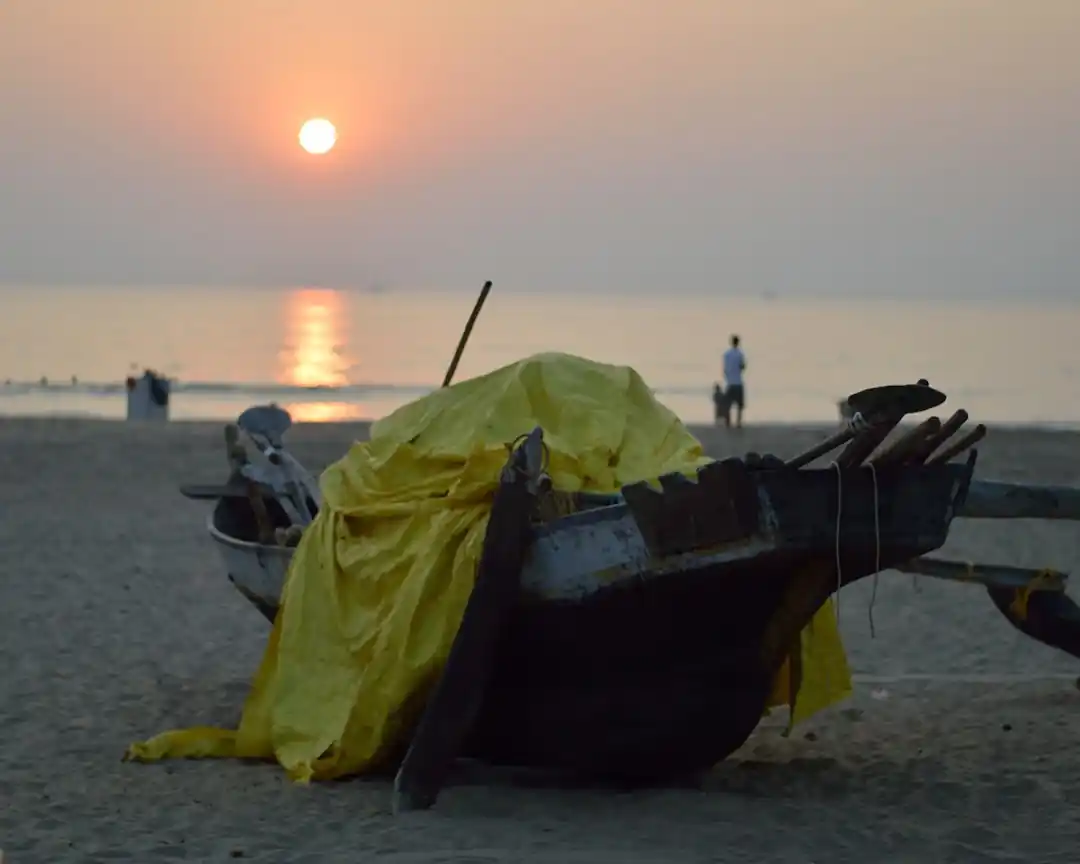
Some of the most memorable parts of a Goan vacation are the ones that don't cost a thing. First and foremost, the beaches. You can spend days simply exploring the coastline, from the lively, crowded shores of the North to the pristine, turtle-nesting beaches of the South. Every sunset is a spectacular, free show. Pack a towel, a good book, and just soak it all in.
Beyond the sand, Goa's rich history is on full display. Spend a day wandering through Old Goa, a UNESCO World Heritage site, where magnificent Portuguese cathedrals like the Basilica of Bom Jesus stand as a testament to a bygone era. There's no entry fee to most of these churches. You can also get lost in the colorful, narrow lanes of Fontainhas, Panjim's Latin Quarter, which feels like you've been transported to a charming European village.
Finally, just embrace the art of doing nothing. Find a quiet spot, watch the fishing boats come in, observe the daily rhythms of village life, and let yourself sink into "susegad"—the unique Goan concept of a relaxed, contented life.
Goa is more than just a destination; it's a state of mind. It teaches you to slow down, to savor the simple things, and to find joy in the unexpected. Planning a trip on a budget doesn't diminish the experience; it enhances it, pushing you to connect with the place on a deeper, more authentic level. So start planning, be smart with your choices, and get ready for an adventure that will stay with you long after you've washed the sand from your shoes.

The Complete Guide to Renting a Scooter in Goa for Tourists
Beyond the Beaches: Uncovering Goa's Rich Historical Soul

Related Posts
 TRANSPORT
Beyond the Highway: Finding Canada's Soul on a Western Rail Adventure
Forget road trips. I'm talking about rediscovering the romance of travel on Via Rail's most scenic routes through the heart of the Canadian West. It’s an experience that changes you.
 TRAVEL TIPS
The Unwritten Rules of the North: What to Know Before Camping in Canada
Heading to the Great White North for a camping trip? It's an amazing idea. But from campfire etiquette to wildlife wisdom, here’s what you need to know before you go.
Popular Posts

Rethinking Non-Profit Promotion: Creative Strategies That Actually Drive Event Impact

Beyond Stark White: The Best Interior Paint Colors to Light Up Your New Space

How to Actually Master a New Language on Your Own (No Magic Gene Required)
