Forget pricey taxis. Here’s everything you need to know to navigate Dubai’s futuristic, clean, and super-efficient metro system like a pro.
When you first touch down in Dubai, the sheer scale of everything can be a little intimidating. The skyscrapers don't just scrape the sky; they seem to pierce it. The highways are vast rivers of motion, and the ambition of the city is palpable. For a first-timer, the immediate question is, "What's the best way to get around this massive, glittering metropolis?" While taxis are everywhere, if you want to navigate the city with the efficiency and confidence of a local, the Dubai Metro is your answer. Honestly, I was skeptical at first, imagining a complicated system, but I couldn't have been more wrong. It’s a gleaming, air-conditioned, and surprisingly simple network that connects you to nearly every major landmark.
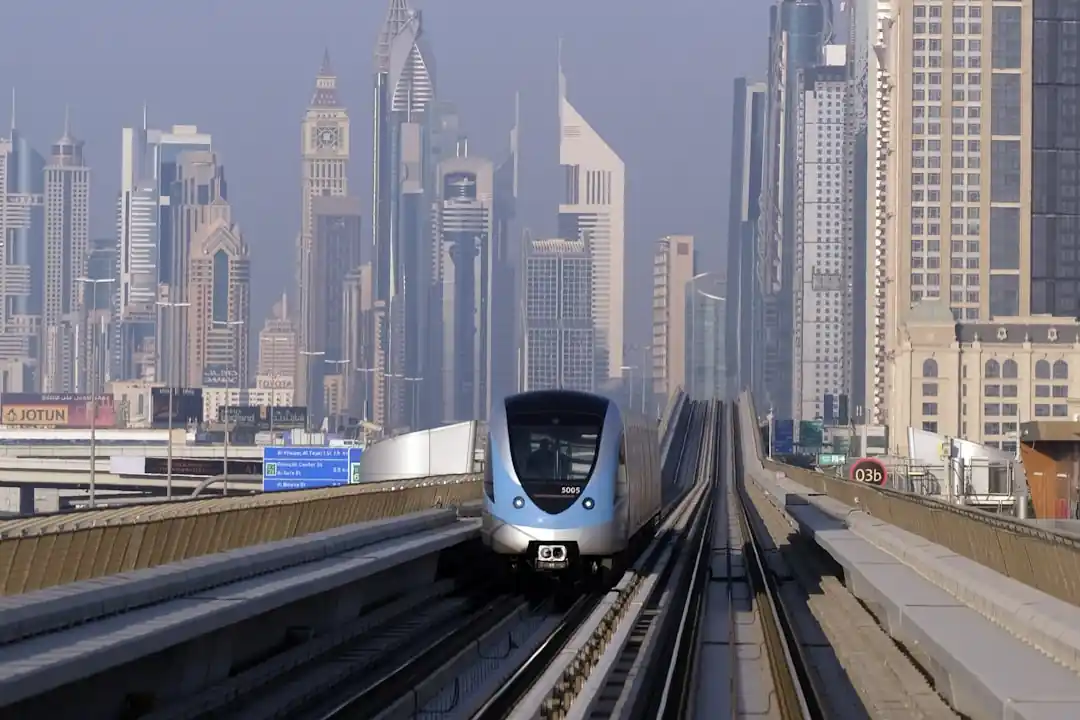
Riding the metro in Dubai is an experience in itself. The trains are driverless, gliding silently on elevated tracks that offer breathtaking panoramic views of the city's architectural marvels. It feels less like a daily commute and more like a futuristic tour. Forget the stress of traffic jams or the ever-ticking meter of a cab. The metro is clean, punctual, and incredibly affordable. It’s a system designed for everyone, and mastering it is the key to unlocking the very best of what Dubai has to offer, from its historic old town to its glitzy, modern heart.
First Things First: The Nol Card
Before you can even step onto a platform, you need to get a Nol Card. Think of it as your golden key to Dubai's public transport network, covering the metro, tram, buses, and even some water taxis. You can't pay with cash or a credit card at the gates, so this is an essential first purchase. You can buy one at any metro station from the ticket office or a vending machine. For most tourists, there are two main options to consider: the Silver Card or the Red Card.
The Red Card is a paper ticket that's good for a few trips. You can load it with up to 10 single journeys. It’s cheap to buy (only 2 AED), but the fare per trip is slightly higher. If you're in Dubai for a very short layover and only plan on one or two metro rides, this might suffice. However, for anyone staying longer than a day, it’s not the most economical or convenient choice.
The Silver Nol Card is the way to go for most visitors. It’s a physical, rechargeable card that costs 25 AED, which includes 19 AED of pre-loaded travel credit. The card itself is valid for five years, and the per-journey fares are cheaper than the Red Card. You can easily top it up at any station when your balance runs low. Just remember, you need a minimum balance of 7.5 AED to start a journey. There's also a Gold Card, which gives you access to the plusher, less crowded Gold Class cabins for a premium price, but the Silver Card is the perfect all-rounder for exploring the city in comfort and style.
Understanding the Lines: Red vs. Green
The beauty of the Dubai Metro is its simplicity. The network is primarily made up of just two lines: the Red Line and the Green Line. They intersect at two key stations (Union and BurJuman), making transfers a breeze. This straightforward system means you’re never more than a simple connection away from where you need to be.
The Red Line is your main artery for exploring modern Dubai. It runs from Centrepoint all the way to Expo City Dubai, famously running parallel to the city's main highway, Sheikh Zayed Road. This is the line you'll use to visit the icons. It has stations that drop you right at the doorstep of The Dubai Mall and Burj Khalifa, the Mall of the Emirates (home to the indoor ski slope), and the bustling Dubai Marina. It’s essentially a highlight reel of new Dubai, and the elevated tracks provide some of the best free views you'll get of the skyline.
The Green Line offers a journey into the city's soul, winding through the older, more historic districts of Deira and Bur Dubai. This is your portal to the past. Take the Green Line to Al Ras station to wander through the dazzling Gold Souk and aromatic Spice Souk. Get off at Al Ghubaiba to explore the Al Fahidi Historical Neighbourhood, with its traditional wind-tower architecture and charming courtyards, or to take an abra (a traditional wooden boat) across the Dubai Creek. Using both lines gives you a complete picture of this city of contrasts.
Metro Etiquette: Rules to Ride By
Dubai's metro is famously clean and orderly for a reason: there are strict rules in place, and they are enforced. Knowing them will not only make your journey smoother but also save you from hefty fines. The most important rule is no eating, drinking, or even chewing gum on the trains or platforms. This is taken very seriously, and getting caught can result in a fine.
You'll also notice specific cabins. There are dedicated Women & Children's cabins, usually at one end of the train. Men are not permitted in this section, and it provides a more comfortable space for female travelers and families. At the other end is the Gold Class cabin. You can only enter this if you have a Gold Nol card; otherwise, you risk a fine. During rush hour, the trains can get crowded, so it's good etiquette to place your luggage in the designated racks and not take up extra seats with your bags.
One final, crucial tip: you must tap your Nol card on the reader when you enter and when you exit the station. The system calculates your fare based on the zones you've traveled through. If you forget to tap out at your destination, you'll be charged the maximum possible fare for a single journey, which is an annoying and easily avoidable mistake. Follow these simple rules, and you'll find the metro an absolute pleasure to use. It’s a system built on respect, and it makes for a wonderfully civilized travel experience.
Dubai on a Dime: The Ultimate Guide to Getting Around for Cheap
Litigation Finance: What It Is and How to Invest in This Alternative Asset

Related Posts
 TRANSPORT
Beyond the Highway: Finding Canada's Soul on a Western Rail Adventure
Forget road trips. I'm talking about rediscovering the romance of travel on Via Rail's most scenic routes through the heart of the Canadian West. It’s an experience that changes you.
 TRAVEL TIPS
The Unwritten Rules of the North: What to Know Before Camping in Canada
Heading to the Great White North for a camping trip? It's an amazing idea. But from campfire etiquette to wildlife wisdom, here’s what you need to know before you go.

Popular Posts

Rethinking Non-Profit Promotion: Creative Strategies That Actually Drive Event Impact

Beyond Stark White: The Best Interior Paint Colors to Light Up Your New Space

How to Actually Master a New Language on Your Own (No Magic Gene Required)
