Chasing the Ghost Dragon: What's the Best Time to See the Aurora Borealis?
It's the question every sky-gazer asks. I went deep into the research to figure out the absolute best time of year to witness the magic of the Northern Lights.
There are some things in life that a photograph, no matter how stunning, just can't fully capture. The sheer scale of the Grand Canyon is one. The feeling of a truly silent forest is another. And then there’s the Aurora Borealis. For years, I saw it as this far-off, almost mythical phenomenon. A bucket-list item that felt more like a "maybe someday" than a real, tangible plan. But the more I looked into it, the more I realized that "someday" could be planned for. It wasn't just about luck; it was about science, timing, and a little bit of strategy.
The truth is, the aurora is almost always there, a constant, ghostly dance happening high in our atmosphere. The real challenge isn't finding the aurora itself, but creating the perfect conditions for our eyes to see it. It’s a celestial ballet, and to get a ticket to the show, you need to know when the curtain is most likely to rise. It’s a game of darkness, solar cycles, and seasonal quirks, and honestly, figuring out the puzzle is part of the adventure.
The Season of Darkness: Your First Big Clue
Let's start with the most important rule of aurora hunting: you need darkness. Complete, profound, inky-black darkness. This is why you simply won't see the Northern Lights during the summer months in the far north. Places like Alaska, Iceland, or northern Scandinavia experience the "Midnight Sun," where the sun barely dips below the horizon, bathing the landscape in light 24/7. It’s a cool experience in its own right, but it’s a total deal-breaker for seeing the aurora.
This means the prime aurora-viewing season generally runs from late September to late March. During this period, the nights are long and properly dark, providing the black canvas required for the lights to paint their masterpiece. I used to think winter was the only time, picturing myself buried in snow. But the season is actually much broader, starting in the crisp air of autumn and stretching all the way to the first hints of spring.
Within this six-month window, many seasoned chasers point to the periods around the equinoxes—in September/October and March/April—as particularly special. Scientific studies have shown that during these times, the orientation of Earth's magnetic field is most favorable for interacting with the solar wind. This can lead to more frequent and intense geomagnetic storms, which are the engine behind the most spectacular aurora displays. It’s a fascinating little hack from Mother Nature, offering a slightly better chance for a truly mind-blowing show.
A Deeper Dive: Month by Month Realities
So, we have our season, but what’s the difference between chasing lights in October versus January? It’s actually pretty significant. In September and October, you get the benefit of those equinox-driven solar storms, but often with much more manageable weather. You might even get to see the aurora reflected in a lake that hasn't frozen over yet, which is a photographer's dream. The daytime isn't oppressively short, and the temperatures, while cool, are often not yet in the deep-freeze territory.
Move into November, December, and January, and you are in the heart of polar night. This is the period of maximum darkness, offering the longest possible viewing window each night. However, it's also when the weather can be at its most volatile and the temperatures at their most extreme. Cloud cover is the number one enemy of the aurora hunter, and these months can sometimes bring more of it. But if you get a clear night, the sheer depth of the cold, dark sky can make the stars and the aurora feel incredibly close and vibrant.
Then comes February and March. Many locals in places like Fairbanks, Alaska, will tell you this is their favorite time. The extreme cold of deep winter often begins to subside, and weather patterns can become more stable, leading to more frequent clear skies. The landscape is blanketed in a thick layer of snow, creating that perfect, pristine arctic scene. Plus, you’re heading into that spring equinox period, which, as we know, can be a hotbed for auroral activity. It’s a fantastic balance of conditions that makes it a very popular time to plan a trip.
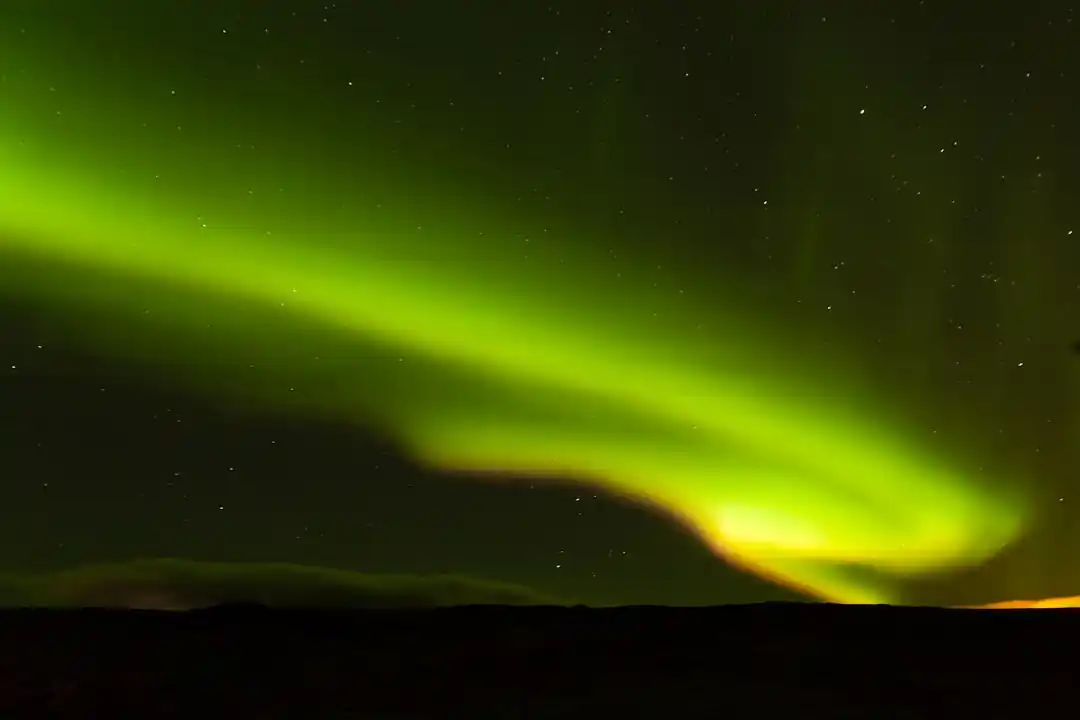
Beyond the Calendar: The Final Pieces of the Puzzle
Choosing the right time of year is a huge part of the equation, but it's not the only part. You also need to think about the time of night. While the aurora can appear at any time after dark, the most common window for peak activity is generally between 10 p.m. and 2 a.m. local time. This is just a guideline, of course. I’ve heard stories of incredible displays happening right after sunset and others flaring up just before dawn. The key is patience.
Another factor is the lunar cycle. Planning your trip around a new moon will give you the darkest skies possible, making it easier to see fainter auroras and the full spectrum of stars. That said, a full moon isn't a deal-breaker. A bright moon can illuminate the landscape beautifully, creating a different kind of magic for photos and making it easier to navigate in the dark. A powerful aurora will easily outshine the moon, so don't cancel your trip just because they overlap.
Finally, keep an eye on the sun. We are currently in what’s called Solar Cycle 25, which is ramping up toward its "solar maximum" around 2025. This means solar activity is increasing, and with it, the frequency and intensity of the Northern Lights. It’s an exciting time to be planning a trip, as the next few years are predicted to offer some of the best aurora displays in over a decade.
Ultimately, seeing the aurora is a dance with nature. You can do all the planning in the world, pick the perfect month, the perfect moon phase, and still be met with cloudy skies. But that’s part of the journey. It’s about the anticipation, the quiet waiting in the cold, and then, if you’re lucky, the absolute, soul-stirring awe of watching the sky come alive. It’s a moment of pure magic that makes all the planning, all the waiting, completely worth it.
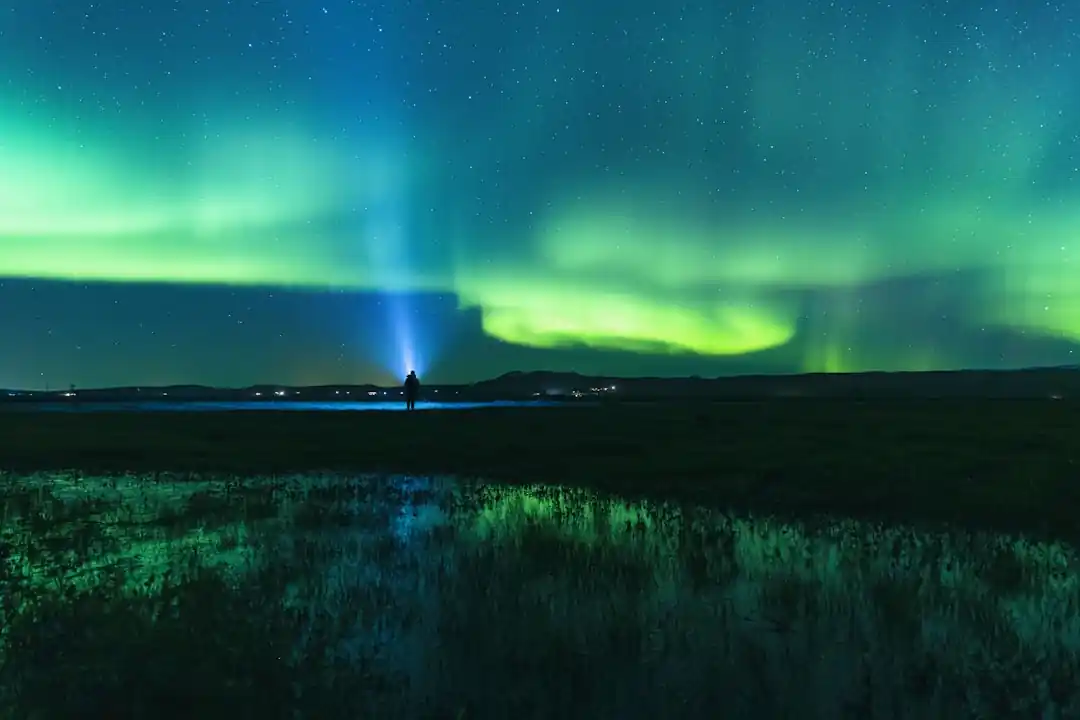
A First-Timer's Guide to Seeing the Northern Lights in Iceland
Chasing Horizons: Which Airlines Offer the Most Routes to Asia from the US?
Related Posts
 TRANSPORT
Beyond the Highway: Finding Canada's Soul on a Western Rail Adventure
Forget road trips. I'm talking about rediscovering the romance of travel on Via Rail's most scenic routes through the heart of the Canadian West. It’s an experience that changes you.
 TRAVEL TIPS
The Unwritten Rules of the North: What to Know Before Camping in Canada
Heading to the Great White North for a camping trip? It's an amazing idea. But from campfire etiquette to wildlife wisdom, here’s what you need to know before you go.

Popular Posts

Rethinking Non-Profit Promotion: Creative Strategies That Actually Drive Event Impact

Beyond Stark White: The Best Interior Paint Colors to Light Up Your New Space

How to Actually Master a New Language on Your Own (No Magic Gene Required)
