Ever dreamt of exploring the Amazon? These documentaries offer a breathtaking, intimate look into the world's most vital ecosystem, right from your couch.
The Amazon rainforest. Just saying the name conjures images of a world teeming with impossible life, of rivers snaking through an endless green expanse, and a symphony of unseen creatures. It’s one of the planet's most vital organs, a place of myth, legend, and staggering biodiversity. For most of us, packing a bag and trekking into its humid, vibrant depths is the stuff of daydreams. But that's where the magic of modern filmmaking comes in, offering a portal into this incredible world from the comfort of our own homes.
I've lost count of the evenings I've spent completely mesmerized, journeying through the Amazon via my television screen. These documentaries are so much more than just beautiful moving pictures; they are deeply intimate portraits of an ecosystem that is as fragile as it is powerful. They tell the stories of the sleek jaguar, the iridescent hummingbird, and the ancient trees that form the very backbone of this forest. If you're looking to feel a bit more connected to the wild, or simply want to be humbled by the sheer spectacle of nature, settling in for one of these films is an experience I can't recommend enough.
The Apex Predators and Unseen Hunters
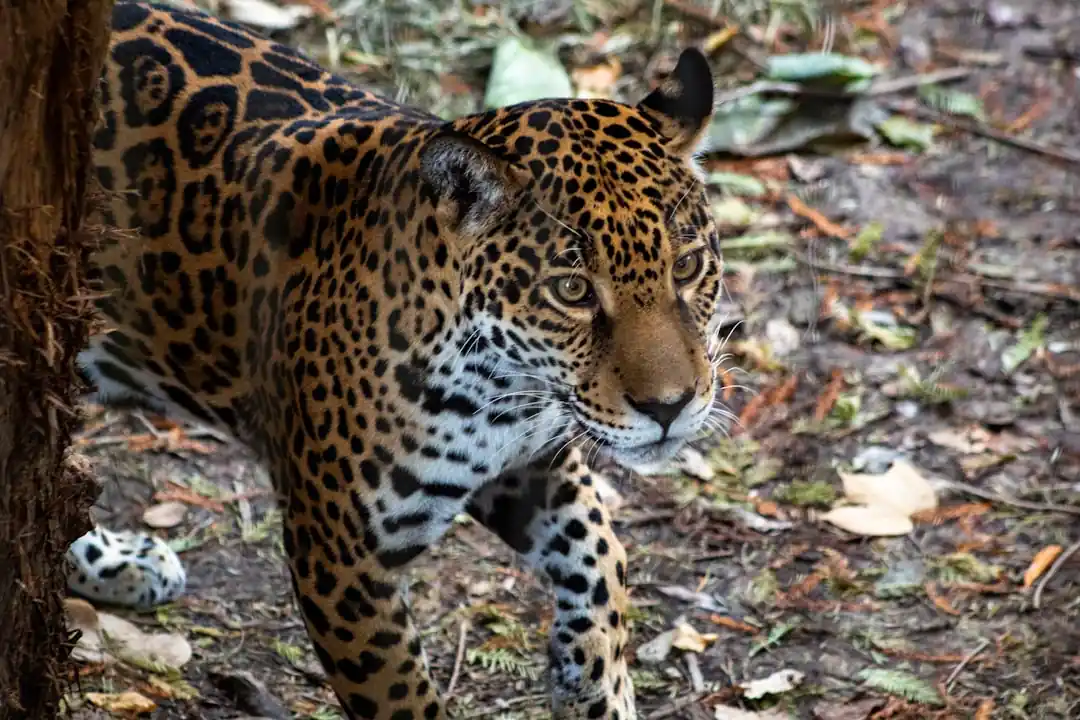
One of the most compelling aspects of the Amazon is its hierarchy of life, ruled by some of the most magnificent predators on Earth. Documentaries that focus on these animals are, for me, the most thrilling. They have a way of building a narrative around the daily struggle for survival that is both raw and deeply respectful. You get to see the patient, silent hunt of a jaguar, its rosette-patterned coat a perfect camouflage against the dappled light of the forest floor. It’s a creature of immense power, yet it moves with a grace that is almost balletic.
These films use incredible technology—night-vision cameras, drones, and motion-activated sensors—to grant us access to moments we would never otherwise witness. I remember watching a sequence in a National Geographic special that followed a family of giant river otters. They are surprisingly formidable, working as a team with an intelligence that is just fascinating to observe. You see them defend their territory, teach their young, and navigate the complex social structures of their family unit. It’s a powerful reminder that these are not just animals; they are sentient beings with complex lives.
It’s this focus on the individual stories within the larger ecosystem that makes these films so powerful. They transform abstract concepts like "biodiversity" and "food chain" into a gripping, personal drama. You find yourself rooting for a young caiman to escape a predator or for a harpy eagle to successfully make a kill to feed its chick. It’s an emotional investment, and it’s what makes the science and the conservation message hit so much harder.
A Symphony of Life, from Canopy to Floor
While the big cats get a lot of attention, some of the most mind-blowing documentaries are the ones that explore the entire vertical world of the rainforest. David Attenborough’s work, particularly series like Planet Earth and Our Planet, has set the gold standard here. His team's ability to capture the sheer scale of the Amazon is second to none. The aerial shots of the canopy, stretching out like a vast, textured green ocean, are enough to take your breath away. But then, the camera descends.
You are taken into the world of the canopy dwellers—monkeys, sloths, and birds of every imaginable color. The sound design in these series is just as important as the visuals; you can almost feel the humidity and hear the constant buzz and chatter of life. They reveal a world where competition for sunlight is fierce and has driven the evolution of incredible adaptations. You learn about the complex relationships between plants and animals, like the specific insects required to pollinate a certain orchid, or the way a poison dart frog uses toxic plants for its own defense.
What I find truly amazing is how these films make the microscopic feel monumental. They will spend time on leaf-cutter ants, showing their vast underground colonies and the incredible logistics of their foraging operations. It’s a civilization in its own right, operating right under our feet. These moments really drive home the interconnectedness of it all. Every single creature, no matter how small, has a role to play in the health and function of the entire ecosystem. It’s a humbling and deeply profound realization.
The Human Element and a Hopeful Future
Of course, you cannot tell the story of the Amazon without talking about the people who call it home and the immense pressures the region now faces. The best modern documentaries don't shy away from this. They balance the stunning beauty of the natural world with a clear-eyed look at the threats of deforestation, illegal mining, and climate change. Films like The Last Forest provide a platform for indigenous communities, like the Yanomami, to tell their own stories of struggle and resistance.
These are often the hardest to watch, but they are arguably the most important. They move beyond the narrative of a pristine, untouched wilderness and show the Amazon as a living, contested space. You meet the scientists, activists, and local leaders who are putting their lives on the line to protect their ancestral lands and the biodiversity within them. Their passion and resilience are, in a word, inspiring. It’s a powerful counter-narrative to the despair that can often accompany stories of environmental destruction.
Ultimately, these films leave you with a sense of hope. They are a call to awareness, not just of the problems, but of the solutions and the incredible human spirit driving them. They remind us that the fate of the Amazon is not a foregone conclusion. It is a story that is still being written, and we all have a part to play, even if it’s just by learning, by caring, and by understanding the profound importance of this incredible green heart of our planet.
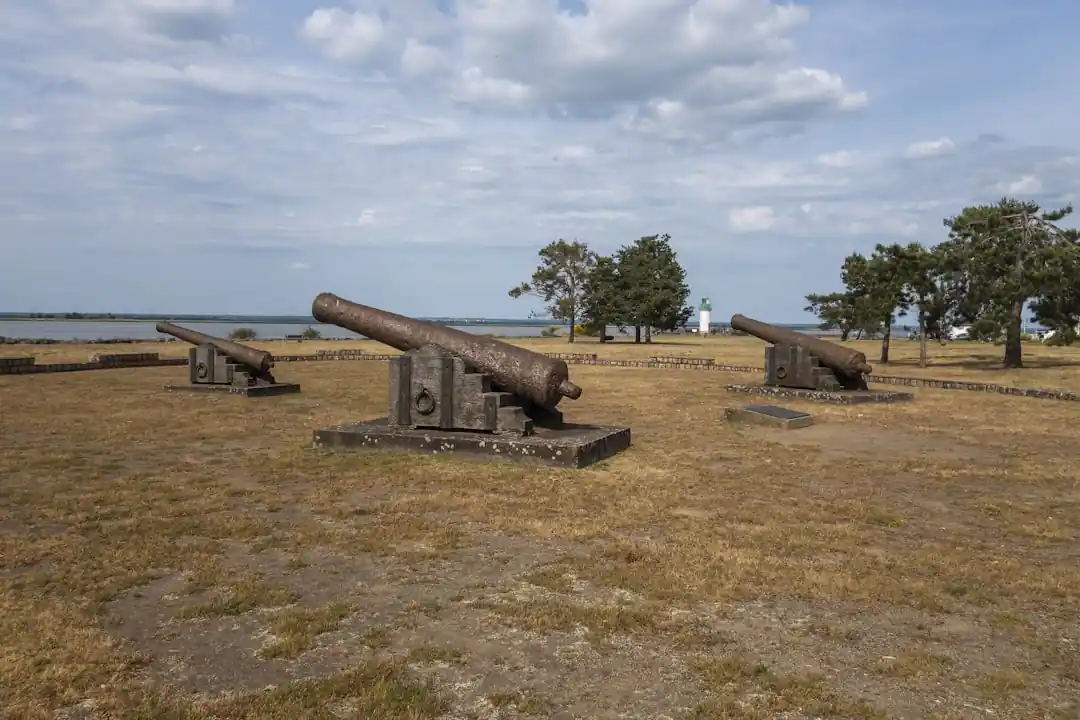
Echoes in the Delta: A Journey Through Mississippi's Most Vital Historical Sites
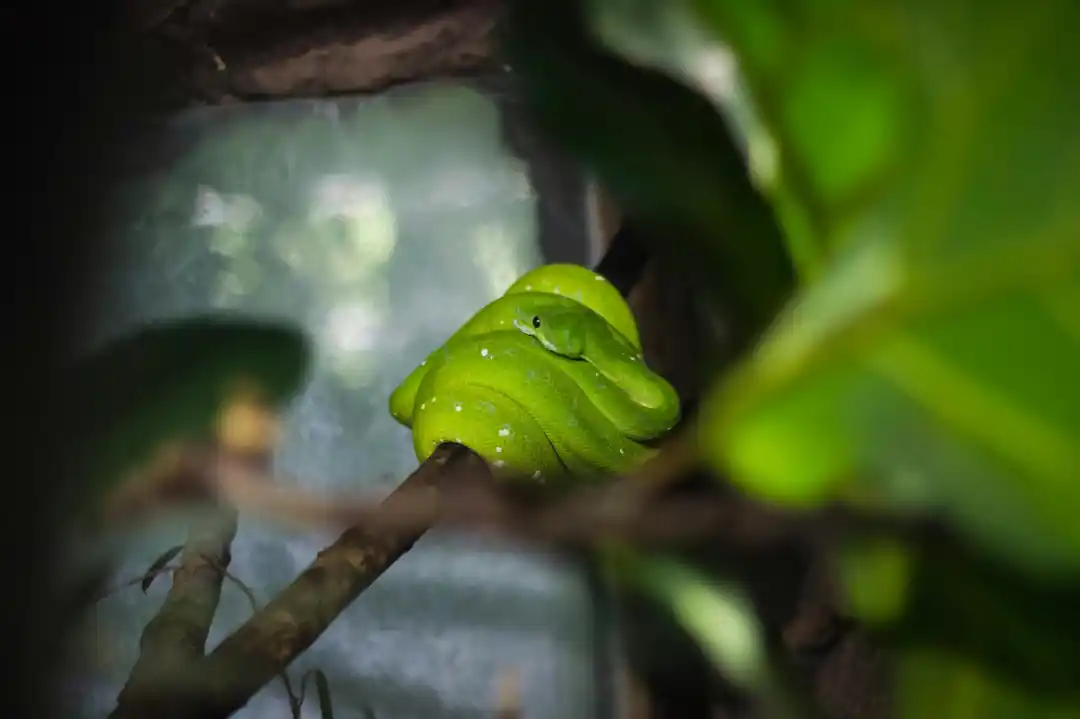
The Ultimate Guide to Building a Bioactive Terrarium for Large Snakes
Related Posts
 HOBBIES
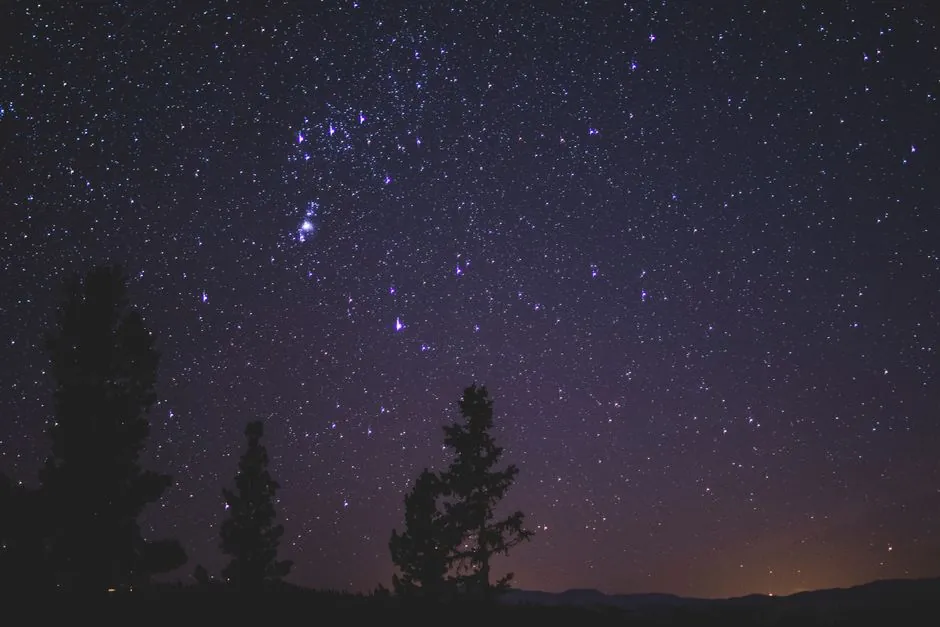
The Beginner's Guide to Reading the Night Sky: How to Spot Your First Constellations
A friendly, grounded guide to navigating the night sky, understanding stellar movements, and spotting iconic constellations without expensive gear.
 PETS
PETSSniffle-Free Snuggles: America's Most-Loved Hypoallergenic Dogs
Dreaming of a furry friend but dreading the sneezes? You're not alone. Let's dive into the wonderful world of popular hypoallergenic dog breeds in the US.

Popular Posts

Rethinking Non-Profit Promotion: Creative Strategies That Actually Drive Event Impact

Beyond Stark White: The Best Interior Paint Colors to Light Up Your New Space

The Simple Pre-Workout Fueling Strategy That Saved My Long Runs