Feeling overwhelmed by San Francisco's transit options? Don't be. This guide breaks down everything you need to know about Muni, BART, and those iconic cable cars.
San Francisco. The name itself paints a picture of iconic landmarks, rolling fog, and streets that seem to defy gravity. It’s a city that practically begs you to get out and explore on foot, but let's be honest—those hills are no joke. I remember my first visit, thinking I could conquer the city with just a good pair of walking shoes. I was humbled, to say the least. Driving is an option, but finding parking can feel like a competitive sport you’re destined to lose. The real secret, the key to unlocking the city like a local, lies in its fantastic and varied public transportation system.
Diving into a new city's transit network can feel intimidating. The maps look like a web of colorful spaghetti, and the different payment systems can be confusing. But I promise you, taking a little time to understand San Francisco's public transit is one of the best investments you can make for your trip. It’s not just about getting from point A to point B; it’s about experiencing the city’s rhythm, saving money, and honestly, enjoying some of the most scenic commutes you'll ever have.
So, let's break it down. Think of this as your friendly guide from someone who’s been there, fumbled with the ticket machines, and finally figured it out. We'll cover the main systems, how to pay, and a few insider tips to make you feel like a seasoned pro.
The Holy Trinity: Muni, BART, and Cable Cars
First things first, let's get the names straight. San Francisco's public transit is dominated by three main players: Muni, BART, and the world-famous Cable Cars. While they sometimes overlap, they serve different purposes and are essential to understand for a smooth journey. Think of them as three members of a family: each with its own personality, but all connected.
Muni is the workhorse of the city proper. Operated by the San Francisco Municipal Transportation Agency (SFMTA), the Muni system includes buses, light rail trains (Muni Metro), and historic streetcars. If you're traveling within the boundaries of San Francisco, Muni is almost always your answer. It's extensive, covering nearly every neighborhood you'd want to visit, from the Mission District's vibrant murals to the breezy shores of Ocean Beach.
BART, which stands for Bay Area Rapid Transit, is the regional connector. This is your go-to for longer distances, especially for getting to and from the San Francisco International Airport (SFO) or the Oakland International Airport (OAK). It also connects San Francisco to other cities in the East Bay, like Berkeley and Oakland. It’s faster than Muni for long hauls but has fewer stops within the city itself.
And then, of course, there are the Cable Cars. These are more than just transportation; they are a moving National Historic Landmark and an unforgettable experience. While they are a functional part of the Muni system, most people ride them for the sheer joy and the incredible views. It's a tourist must-do, but also a genuinely charming way to conquer some of the city's steepest hills.
Paying Your Way: Clipper is King
Now for the most crucial part: how to pay. While you can use cash (exact change only!) on Muni buses and streetcars, the most seamless and cost-effective way to navigate the entire system is with a Clipper Card. This is a single, reloadable card that works on Muni, BART, Cable Cars, and even the ferries. I can't stress this enough: getting a Clipper Card will make your life infinitely easier.
You can get a physical card at any Muni or BART station vending machine for a small fee, but the best way to do it in this day and age is to add a digital Clipper Card to your phone's wallet (Apple Pay or Google Pay). It’s free to set up, you can add funds instantly with a credit card, and you never have to worry about losing it. You simply tap your phone on the reader when you board a bus or enter a station, and you're good to go.
For tourists, the MuniMobile app is another great option if you're only planning to use Muni services. You can buy single-ride tickets or, even better, multi-day "Passports" that offer unlimited rides on Muni buses, metro, streetcars, and cable cars for 1, 3, or 7 days. A 1-day pass is a fantastic value, especially considering a single cable car ride can be quite pricey on its own. You just activate your pass on the app before you board and show your phone screen to the driver or fare inspector.
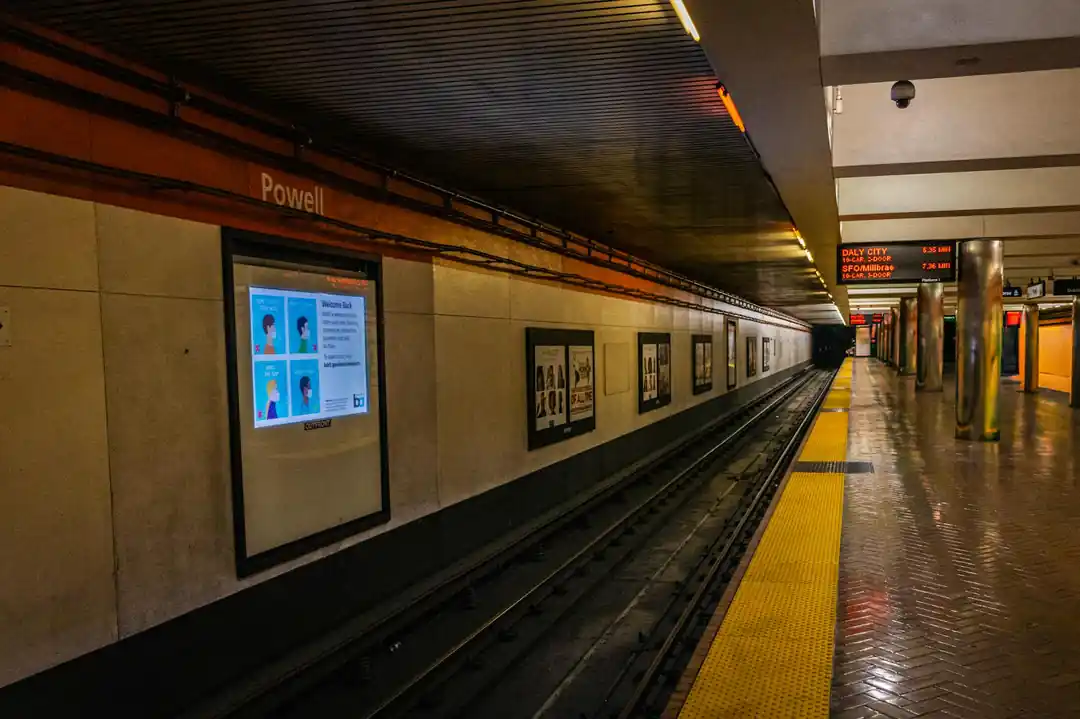
A Few Pro-Tips for a Smooth Ride
After years of riding the rails and roads of SF, I've picked up a few tricks that I wish I'd known from the start. First, Google Maps is your best friend. It has real-time transit information for Muni and BART, telling you exactly when the next bus or train is scheduled to arrive. It takes the guesswork out of your travel and helps you plan your connections perfectly.
When it comes to the cable cars, the lines at the main turnarounds (like Powell and Market) can be incredibly long. A great local tip is to walk a few blocks up the line and hop on at a less crowded stop. You might not get the "perfect" spot, but you'll save a ton of time. Also, don't be afraid to ride on the running boards! Holding on as you cruise up and down the hills is a quintessential San Francisco thrill.
Finally, be aware of your surroundings. Like any major city, it pays to be mindful of your belongings, especially on crowded buses or trains. And always, always have your proof of payment (your tapped Clipper card or activated MuniMobile pass) ready. Fare inspectors make frequent, random checks, and the fines can be steep. It's a simple thing that ensures the system can keep running smoothly for everyone.
Navigating San Francisco's public transportation might seem complex at first glance, but it's a system born of necessity and perfected over time. It’s woven into the fabric of the city. Embracing it is the first step to feeling less like a tourist and more like a local. So load up that Clipper card, plan your route, and get ready to see the city from a whole new perspective. The adventure is just a tap away.
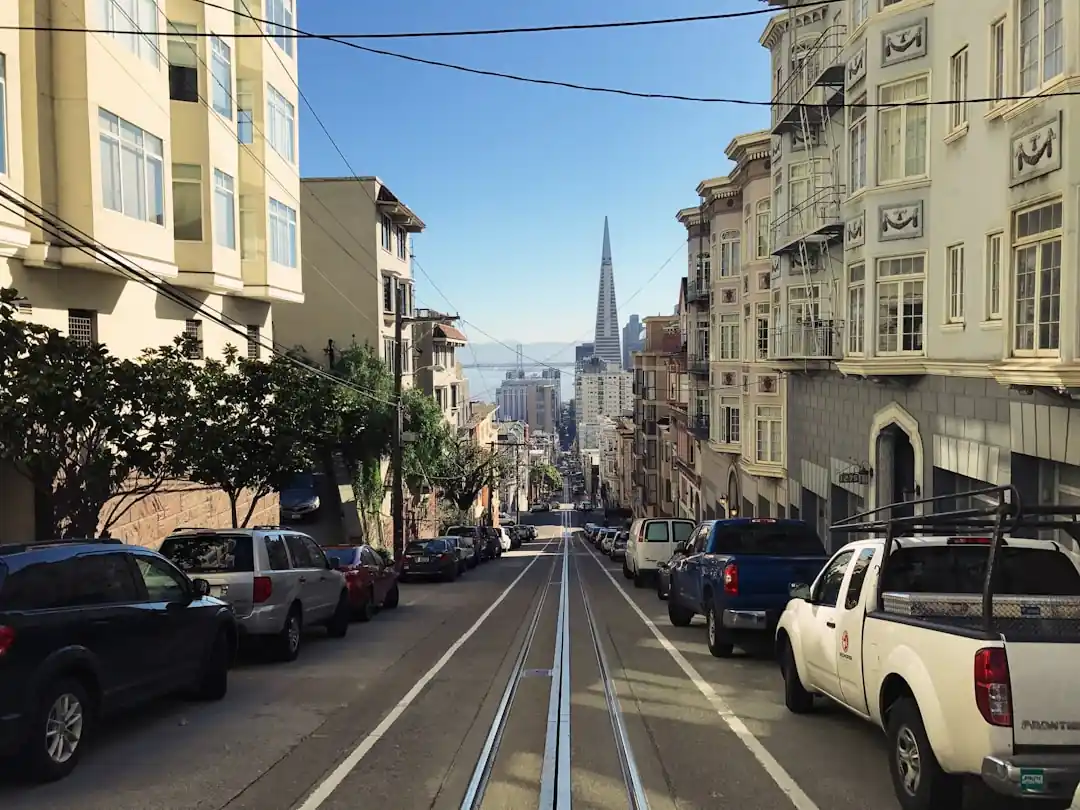
The San Francisco Dilemma: To Rent a Car or Rely on Ride-Sharing?
The Real Best Time to Visit San Francisco for Sunshine
Related Posts
 TRANSPORT
Beyond the Highway: Finding Canada's Soul on a Western Rail Adventure
Forget road trips. I'm talking about rediscovering the romance of travel on Via Rail's most scenic routes through the heart of the Canadian West. It’s an experience that changes you.
 TRAVEL TIPS
The Unwritten Rules of the North: What to Know Before Camping in Canada
Heading to the Great White North for a camping trip? It's an amazing idea. But from campfire etiquette to wildlife wisdom, here’s what you need to know before you go.

Popular Posts

Rethinking Non-Profit Promotion: Creative Strategies That Actually Drive Event Impact

Beyond Stark White: The Best Interior Paint Colors to Light Up Your New Space

The Simple Pre-Workout Fueling Strategy That Saved My Long Runs