Building a Fortune? Why LEGO Sets Are a Surprisingly Smart Investment
We all love LEGO, but could those colorful bricks be more than just a toy? Let's dive into the world of LEGO investing and see if your collection is a hidden goldmine.
There’s a certain magic to opening a new LEGO set, isn't there? The rustle of the plastic bags, the crisp smell of the instruction booklet, and the promise of hours spent bringing something new to life, brick by brick. For most of us, that’s where the story ends: with a beautifully constructed model on a shelf. But what if I told you that for a growing number of people, the story is just beginning? And that the real value isn't just in the building, but in the not building?
Honestly, I was a skeptic at first. The idea of investing in toys sounded a bit childish, a fleeting trend at best. We’ve all seen collectibles come and go. Yet, the conversation around LEGO investing kept popping up, not just in fan forums but in financial news. I started digging, and what I found was genuinely surprising. It turns out that some LEGO sets have been outperforming traditional investments like gold, stocks, and bonds for years.
It’s a fascinating thought: that the same plastic bricks that littered our childhood bedroom floors could now be a legitimate alternative asset class. This isn't about hoarding random buckets of bricks; it's a calculated game of scarcity, nostalgia, and market demand. It forces you to look at that colorful aisle in the toy store in a completely different light. Could that Star Wars ship or modular building be your ticket to a surprisingly hefty return? Let's get into it.
Why Are LEGO Sets Becoming a Viable Investment?
So, what’s the secret sauce? Why have these toys captured the attention of investors? A huge part of it is pure, unadulterated nostalgia. The adults who grew up playing with LEGO sets in the '80s and '90s now have disposable income, and they're eager to recapture a piece of their youth. They want the sets they had, the sets they always dreamed of, and they're often willing to pay a premium for them, especially if they're in pristine, unopened condition.
But it's more than just nostalgia. LEGO has mastered the art of scarcity. Unlike many other toys, LEGO sets have a relatively short shelf life, typically being produced for only 12 to 24 months before they are "retired." Once a set is retired, the supply is officially cut off. This creates a finite market where the only way to get that set is through a third-party seller. If the set was popular, demand quickly outstrips supply, and that's when you start to see prices climb.
This dynamic has created a thriving secondary market on platforms like eBay, Amazon, and specialized sites like BrickLink. A 2022 study even found that retired LEGO sets appreciated in value by an average of 11% per year, a figure that outpaces many traditional investments. It’s this proven track record, combined with the tangible, physical nature of the product, that has given collectors and investors the confidence to treat these bricks as a serious asset.
Not All Bricks Are Created Equal: What to Look For
Before you rush out and clear the shelves of your local toy store, it's crucial to understand that not every LEGO set is destined for greatness. Just like in any market, there are winners and losers. The key is knowing what to look for. The most successful LEGO investors are meticulous researchers who understand the trends.
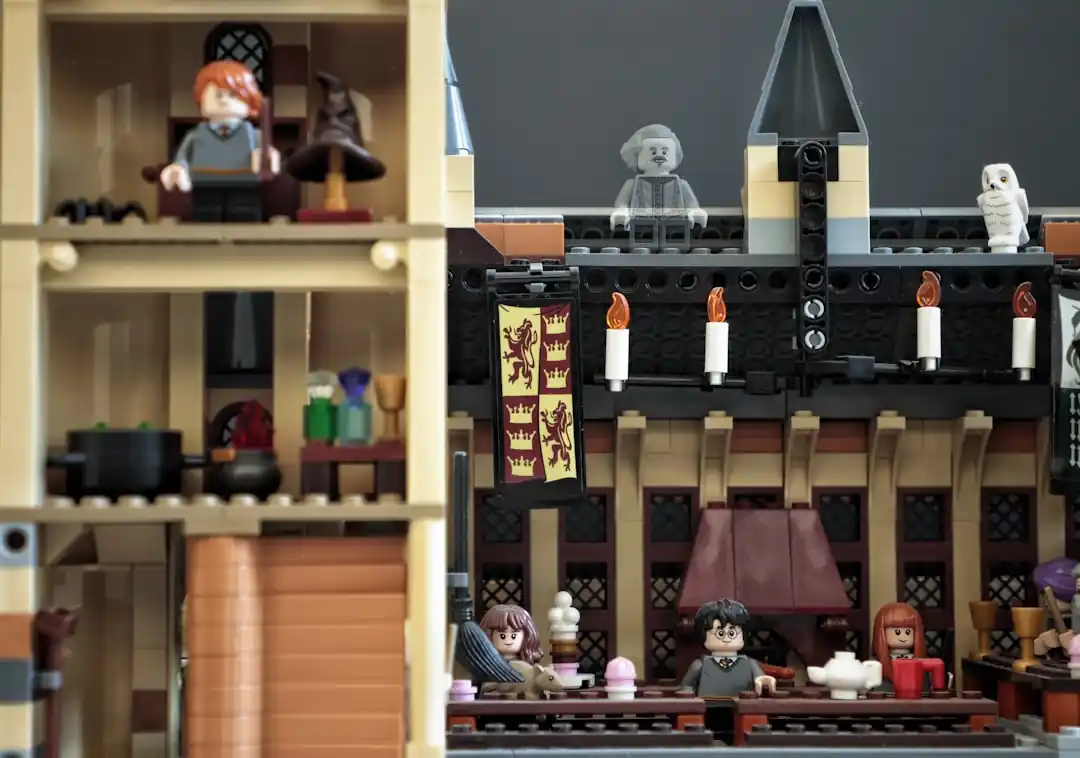
Themes are a huge factor. Licensed themes with massive, dedicated fanbases are often the safest bets. Think LEGO Star Wars, especially the Ultimate Collector Series (UCS) sets, which are large, detailed models aimed at adults. Sets from Harry Potter, Marvel, and even some of the more intricate Creator Expert (now LEGO Icons) and Ideas sets have also shown incredible returns. These tap into a passion that goes beyond just LEGO itself.
Another critical element is the presence of unique or exclusive minifigures. Sometimes, a single rare minifigure can be worth more than the set it came in. Collectors are fanatical about completing their character lineups, and a set that contains the only version of a beloved character is almost guaranteed to be in high demand after it retires. And, of course, the golden rule of LEGO investing: the box must remain sealed and in mint condition. Any dings, dents, or tears can significantly reduce the final value. It’s all about preserving that "new in box" magic.

The Risks and Realities of LEGO Investing
Now, it's easy to get carried away by the success stories—the person who bought a $100 set and sold it for $1,000. But it's essential to have a dose of reality. LEGO investing is not a get-rich-quick scheme. It requires patience, space, and a bit of risk. For one, these are physical products. Storing dozens of large boxes in a way that keeps them safe from sun, moisture, and crushing can be a serious logistical challenge. Your home can quickly start to look more like a warehouse than a living space.
The market can also be unpredictable. While themes like Star Wars have been consistent performers, LEGO could always re-release a popular retired set, which would instantly tank the value of the original. You also have to consider the long-term nature of the investment. Most sets don't see significant appreciation for at least a few years after retirement. This is a "buy and hold" game, and you need to be prepared to tie up your capital for a while.
Finally, there's the emotional component. The temptation to open and build these incredible sets is real! It takes a certain kind of discipline to look at a brand new UCS Millennium Falcon and see it only as a box to be stored away. You have to decide if you're a builder or an investor, and sometimes, that line can be blurry.
Ultimately, the most successful approach seems to be a balanced one. Invest in sets you genuinely love and wouldn't mind keeping if they don't appreciate as expected. That way, your worst-case scenario is that you end up with an amazing LEGO collection. When you think about it that way, it's an investment that's pretty hard to lose on.

The Chagos Islands: A Paradise Lost and a People's Fight for Home
The Ultimate Guide to Finding LEGO Deals in the US
Related Posts
 BUYING GUIDES & PRICE INFO
The Clean Beauty Decoder: Your Guide to Actually Understanding Ingredients
Feeling lost in the world of clean beauty? Let's cut through the noise together and learn how to read ingredient labels with confidence. It's easier than you think.
 PRODUCT CATEGORIES
Beyond the Badge: The Real Things to Look For When Buying a Luxury SUV
Thinking about a luxury SUV? It's more than just a status symbol. Let's explore the details that truly matter, from the whisper-quiet ride to the long-term value.

Popular Posts

Rethinking Non-Profit Promotion: Creative Strategies That Actually Drive Event Impact

Beyond Stark White: The Best Interior Paint Colors to Light Up Your New Space

How to Actually Master a New Language on Your Own (No Magic Gene Required)