Ever wondered about that tiny speck in the Indian Ocean that keeps popping up in geopolitical discussions? Diego Garcia is far more than just an island; it's a linchpin in global strategy, a place where history, sovereignty, and military might converge.
There are places on our planet that, despite their remote beauty, hold an outsized influence on the world stage. Diego Garcia is undeniably one of them. Tucked away in the vast, shimmering expanse of the Indian Ocean, this unassuming atoll has been a quiet, yet incredibly powerful, player in global geopolitics for decades. It's a name you might hear whispered in news reports about international security or maritime trade, and for good reason. This isn't just a tropical paradise; it's a strategic chessboard where the moves of nations are carefully calculated.
Honestly, before diving deep into its story, I probably pictured it as just another idyllic island. But the reality is far more complex and, frankly, fascinating. Its very existence as a military hub is steeped in a history of colonial decisions, international disputes, and the relentless pursuit of strategic advantage. Understanding Diego Garcia isn't just about geography; it's about peeling back layers of global power dynamics, human displacement, and the ever-present tension between national interests and international law. It’s a microcosm of the larger forces shaping our world today.
The Unrivaled Strategic Jewel of the Indian Ocean
Imagine an island perfectly positioned to oversee some of the world's most critical shipping lanes, a natural choke point for trade and military movements. That's Diego Garcia. Located almost precisely in the center of the Indian Ocean, its geographical advantage is simply unparalleled. This isn't just a convenient spot; it's a deliberate choice that has shaped its destiny and, by extension, global security. The joint UK-US military base established here isn't merely a collection of buildings; it's a fully-fledged logistical powerhouse.
This base boasts a deep-water port capable of accommodating massive naval vessels, alongside an airfield with a runway long enough for heavy bombers and transport aircraft. Think about that for a moment: a single island providing a launchpad for air and naval operations across the Middle East, Africa, and the Indo-Pacific. It acts as a vital refuelling and resupply station, ensuring that forces can operate far from their home bases without interruption. This capability allows for rapid deployment and sustained presence, making it an irreplaceable asset for projecting military power and responding to crises across a vast and increasingly volatile region.
The base's role extends beyond just logistics and power projection. It's also a critical intelligence monitoring station and even hosts a Space Force tracking station, enabling communication with satellites in this remote part of the world. This means it's not just about moving troops and equipment; it's about gathering vital information and maintaining a technological edge. The ability to monitor activities, gather intelligence, and ensure secure communications from such a central location is a game-changer in modern warfare and deterrence. It's a silent guardian, constantly observing and analyzing, making it a cornerstone of the UK and US's strategic capabilities.
A Hub for Global Security and Counter-Terrorism Efforts
The importance of Diego Garcia truly shines when we look at its operational history and its ongoing role in global security. This isn't a theoretical base; it's a highly active one that has been instrumental in numerous real-world conflicts and counter-terrorism efforts. From supporting operations like Desert Storm and Enduring Freedom to more recent missions, the base has consistently proven its worth as a forward operating location. It allows the US and UK to respond with speed and precision, often bypassing the need for more costly and time-consuming deployments from distant aircraft carriers.
Beyond direct military interventions, Diego Garcia plays a crucial role in safeguarding vital maritime trade routes. The Indian Ocean is a superhighway for global commerce, connecting Europe, Asia, and Africa, and carrying immense volumes of energy supplies and goods. This region, unfortunately, is also prone to threats like piracy and terrorism, which can severely disrupt global trade and economic stability. The presence of the base helps ensure these critical lanes remain open and secure, deterring illicit activities and protecting the flow of international commerce.
In recent years, the geopolitical landscape has shifted, bringing new challenges and highlighting Diego Garcia's significance even further. The rise of China's influence in the Indian Ocean, marked by its Belt and Road Initiative and the establishment of its own overseas military bases, has created a new strategic dynamic. Diego Garcia now stands as a vital counterweight, a key asset in the broader strategy to balance power and deter potential adversaries in the Indo-Pacific region. It's a testament to its enduring importance that even as global alliances evolve, this remote island remains at the heart of discussions about regional stability.

The Complex Web of Sovereignty and Human Rights
While its strategic value is undeniable, the story of Diego Garcia is also deeply intertwined with a complex and often painful history of sovereignty disputes and human rights issues. The Chagos Archipelago, of which Diego Garcia is the largest island, was historically part of Mauritius. However, in 1965, just before Mauritius gained independence, the UK detached the archipelago to form the British Indian Ocean Territory (BIOT), paving the way for the US military base. This act of separation and the subsequent forced removal of nearly 2,000 indigenous Chagossians between 1968 and 1973 to make way for the base remains a profound stain on its history.
The Chagossians, displaced and scattered, have fought tirelessly for their right to return to their homeland, a struggle that has garnered significant international attention. In 2019, the International Court of Justice (ICJ) delivered an advisory opinion, concluding that the UK's administration of the Chagos Archipelago was unlawful and that decolonization remained incomplete. This ruling, later affirmed by the UN General Assembly, put immense pressure on the UK to resolve the long-standing dispute.
In late 2024, the UK government announced it would end its claim to the Chagos Islands and hand sovereignty to Mauritius. The deal, however, ensures the continued operation of the joint UK-US military base on Diego Garcia for the foreseeable future. While this marks a historic step in rectifying a colonial wrong, it has been met with mixed reactions. Many Chagossians continue to fight for their right to return to all parts of their homeland, including Diego Garcia, and the full details of their resettlement rights are still being negotiated. It's a delicate balance, attempting to reconcile historical injustices with contemporary security imperatives.
The Future of a Geopolitical Hotspot
As we look ahead, Diego Garcia's geopolitical significance shows no signs of diminishing. The recent UK-Mauritius agreement, while aiming to resolve a decades-old sovereignty dispute, simultaneously solidifies the base's operational future. This underscores the unwavering commitment of the US and UK to maintaining a robust presence in the Indian Ocean, a region increasingly vital for global trade, energy security, and strategic competition.
The ongoing rivalry between global powers ensures that Diego Garcia will remain a focal point. With China's expanding naval capabilities and its growing footprint across the Indo-Pacific, the base serves as a critical node in the broader strategy of deterrence and influence. It's a tangible manifestation of Western commitment to a free and open Indo-Pacific, a region where economic prosperity and security are increasingly intertwined.
Ultimately, Diego Garcia is more than just a military installation; it's a symbol. It represents the enduring complexities of post-colonial legacies, the relentless march of strategic interests, and the human cost often borne by those caught in the crosscurrents of global power. Its future, while now seemingly settled on a sovereign level, will continue to be a subject of debate, particularly concerning the rights and aspirations of the Chagossian people. As the world continues to navigate an increasingly interconnected and competitive landscape, this small island in the middle of nowhere will undoubtedly remain at the very heart of somewhere important.
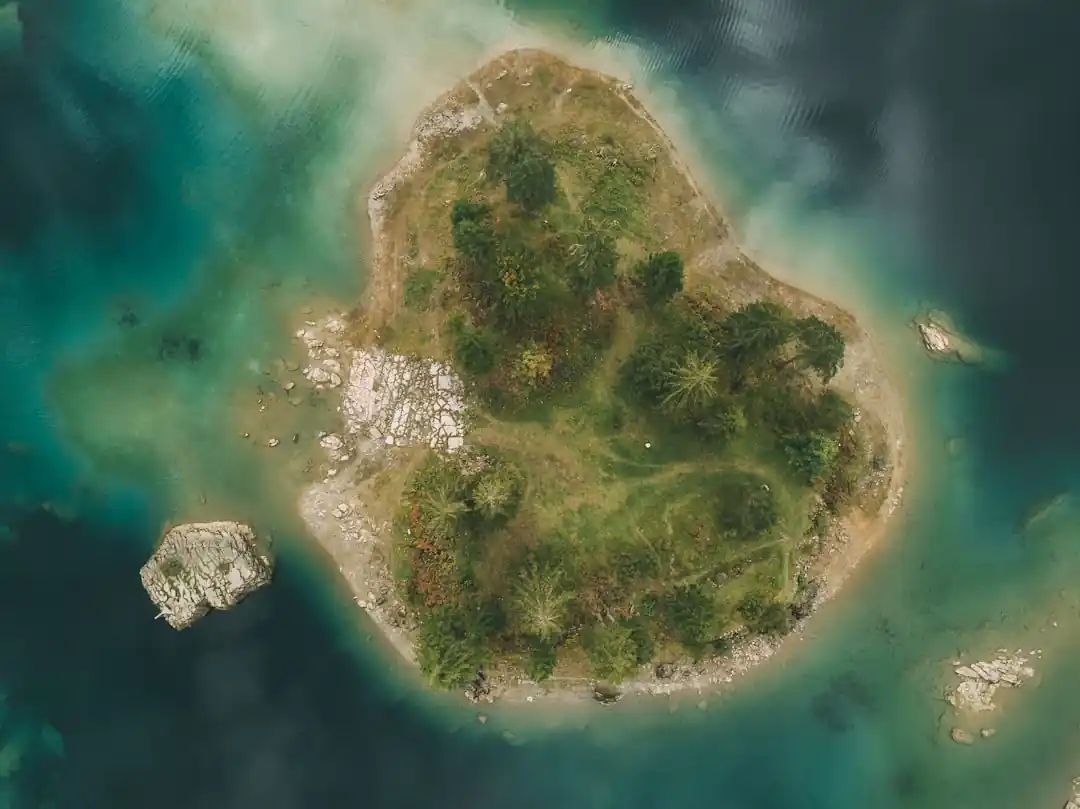
The Forbidden Island: Can You Actually Visit a Place Like Diego Garcia?
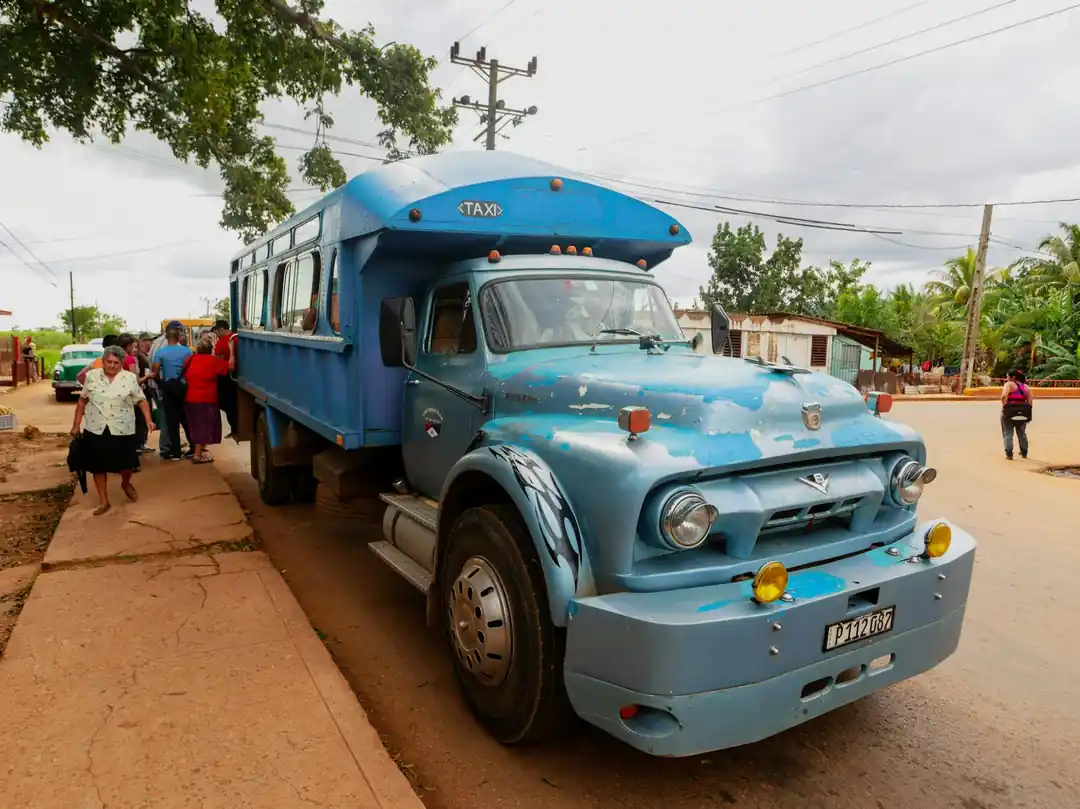
Forget the Pricey Taxis: How to Ride the Bus in Mauritius Like a Local
Related Posts
 TRANSPORT
Beyond the Highway: Finding Canada's Soul on a Western Rail Adventure
Forget road trips. I'm talking about rediscovering the romance of travel on Via Rail's most scenic routes through the heart of the Canadian West. It’s an experience that changes you.
 TRAVEL TIPS
The Unwritten Rules of the North: What to Know Before Camping in Canada
Heading to the Great White North for a camping trip? It's an amazing idea. But from campfire etiquette to wildlife wisdom, here’s what you need to know before you go.

Popular Posts

Rethinking Non-Profit Promotion: Creative Strategies That Actually Drive Event Impact

Beyond Stark White: The Best Interior Paint Colors to Light Up Your New Space

How to Actually Master a New Language on Your Own (No Magic Gene Required)
