That first time they pick up a basketball is pure magic. Let's turn that curiosity into confidence with easy, fun dribbling drills you can do right at home.
There’s a certain sound that’s pure childhood joy: the rhythmic thump-thump-thump of a basketball on pavement. I remember the first time I tried to dribble. It felt less like a controlled athletic move and more like I was wrestling with a very bouncy, uncooperative orange blob. The ball would shoot off my foot, bounce way too high, or just roll away sadly. It’s a universal starting point, and honestly, it’s a beautiful one. It’s the very beginning of a journey.
Watching your own child navigate this same clumsy dance can bring back a flood of memories. You see their determination mixed with a little frustration. But here’s the secret I’ve learned as a parent: you don’t need a fancy gym or a full-court press to turn that awkwardness into confidence. Some of the most important work happens right in the driveway or on the sidewalk. It’s about making the ball an extension of their hand, and that journey starts with the simplest of drills.
Why Dribbling is Everything
Before a kid can even think about shooting a layup or making a pass, they have to be able to control the ball. Dribbling is the foundation upon which all other basketball skills are built. Think of it like learning the alphabet before you can write a story. Without a confident dribble, a player is stuck in one spot, unable to move, react, or create opportunities. They’re playing defense against the ball itself instead of the other team.
I read a great piece from a youth coach who said that dribbling is about building a relationship with the basketball. It’s a conversation. The player pushes down, and the ball responds. The more they practice, the better they understand that conversation—how much force to use, where to place their hand, how to feel where the ball is without even looking. This constant feedback loop builds an intuition that’s absolutely critical.
When a child becomes comfortable dribbling, a whole new world opens up. They can lift their head, see the court, and start thinking about the game itself. They’re no longer just surviving; they’re playing. That shift from reactive to proactive is monumental, and it all starts with these foundational drills.
The Absolute Basics: Stance and Fingertips
Before we even get to bouncing, let’s talk about posture. So many kids (and adults!) try to dribble standing straight up, which is both inefficient and leaves the ball vulnerable. We need to get them into an "athletic stance." Have them stand with their feet about shoulder-width apart, knees bent, and their bottom down, like they’re sitting in a chair. This low center of gravity provides balance and power.
Now, for the hands. The biggest mistake beginners make is slapping at the ball with their palm. Control comes from the fingertips. Have them spread their fingers wide and make contact with the pads of their fingers. They should push the ball down, not slap it. It’s a subtle but crucial difference. It’s the difference between a controlled, rhythmic bounce and a chaotic, unpredictable one.
A great way to practice this is to just have them sit on the ground and do "small taps." Without even standing up, they can practice pushing the ball into the floor with just their fingertips, getting a feel for the right amount of force. It’s all about building that muscle memory in their hands and wrists.
Fun Drills to Build Confidence
Alright, let's get bouncing. The key here is to make it fun and repetitive without being boring. These drills are perfect for any flat surface.
1. The Pounder
This is the bread and butter of dribbling. Have your child get in their athletic stance and just dribble the ball with one hand. The goal is to keep the dribble low and strong—below their waist. I call it "The Pounder" because I tell my kids to imagine they’re trying to pound the ball through the pavement. This teaches them to use force and control. Start with 30 seconds on their dominant hand, then switch to their non-dominant hand. It’s going to feel weird on their "other" hand, but that’s the whole point!
2. Spider Dribble
This one is a little silly but amazing for building fingertip control. Have your child sit on the ground with their legs spread out in a 'V'. They then have to dribble the ball in the space between their legs, but the dribbles have to be very small and fast, using only their fingertips. It looks like their hand is a little spider dancing on top of the ball. This drill is fantastic because it forces them to use a light touch and builds incredible hand-quickness.
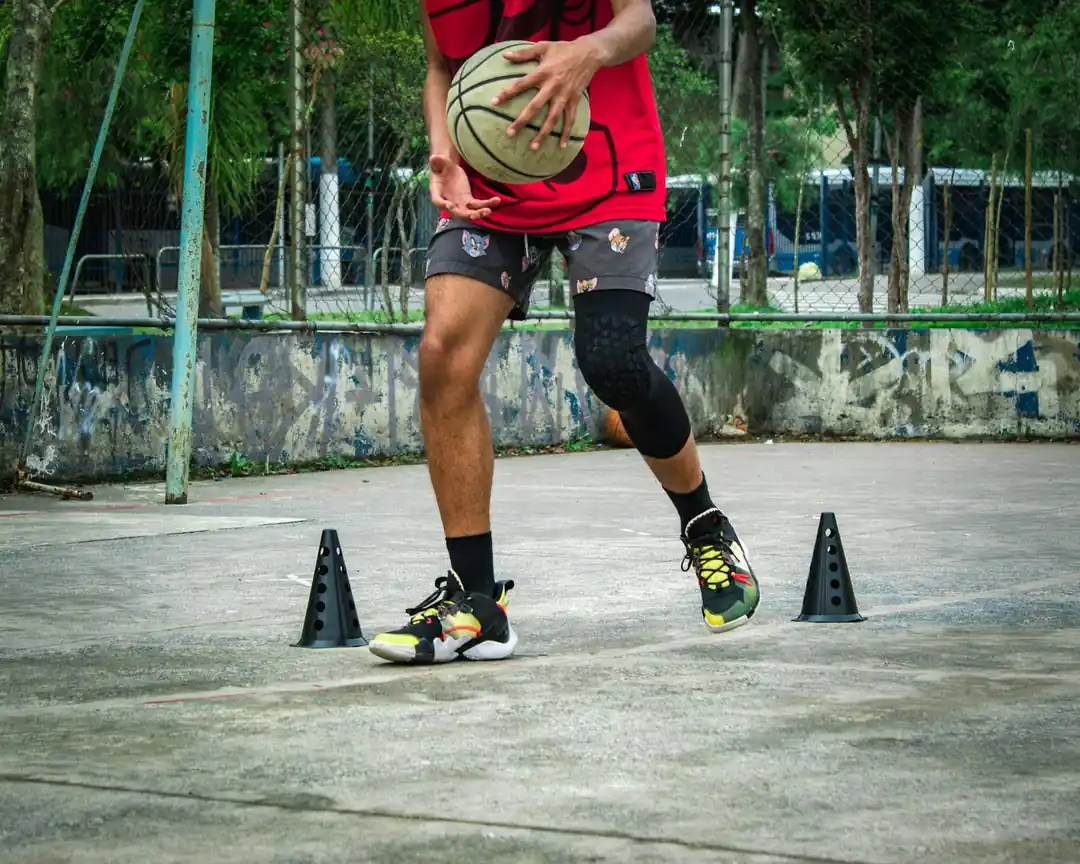
3. Walk the Dog
Once they have some stationary control, it’s time to move. "Walk the Dog" is as simple as it sounds: have them walk forward while dribbling. The challenge is to keep the ball bouncing at their side without it getting away from them. Encourage them to keep their head up and look where they’re going, not down at the ball. You can make it a game: "Can you walk the dog all the way to the end of the driveway and back?" This simple drill is the first step toward dribbling in a real game situation.
Keeping Their Head Up and Having Fun
The ultimate goal of all this is to get them to dribble without thinking about it. The only way to do that is to force them to look up. Once they have a basic handle, start giving them simple tasks to do while they dribble. Hold up a number on your fingers and have them call it out. Ask them what color your shirt is. Anything to get their eyes off the ball.
Remember, this should be fun. Celebrate the small victories. The first time they switch hands without losing the ball, the first time they walk the whole driveway—these are huge milestones. Your encouragement is the fuel that will keep them going when it gets tough.
This journey isn't about creating the next superstar. It's about giving them a skill that builds confidence, coordination, and a love for being active. It’s about the shared time, the laughter when the ball goes astray, and the proud smile when they finally get it right. So grab a ball, head outside, and just start bouncing. You’ll be amazed at how quickly they grow.
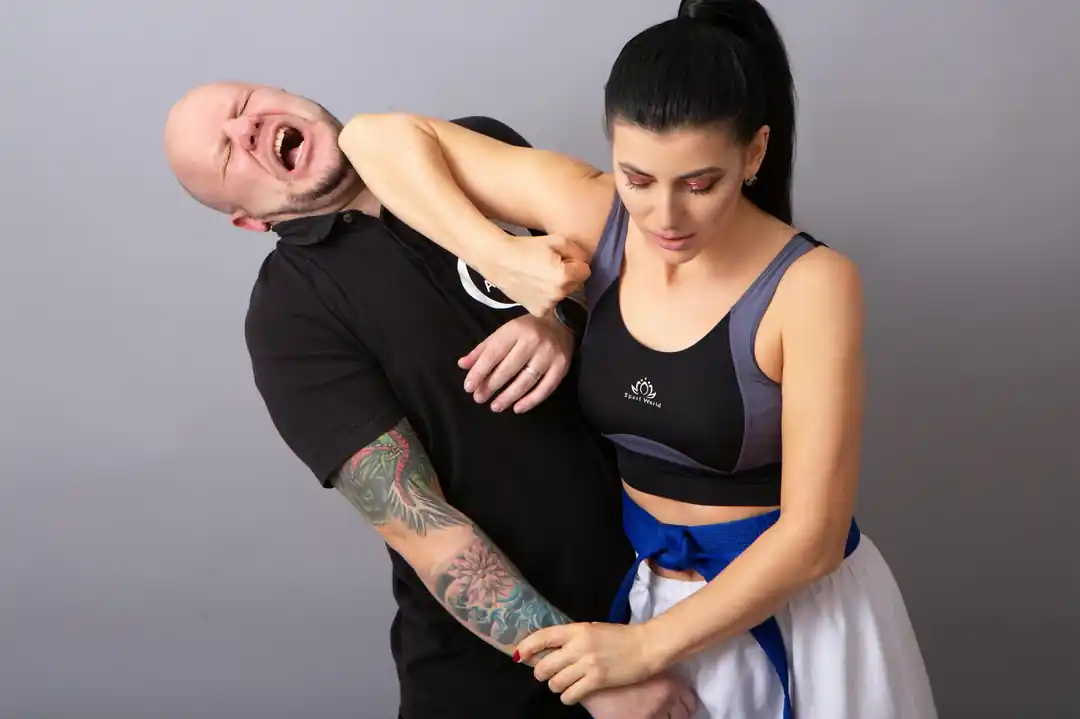
Beyond the Cage: The MMA Skills That Actually Matter for Self-Defense
Stay in the Game: Smart, Simple Strategies to Prevent Common Sports Injuries
Related Posts
 HOBBIES
The Beginner's Guide to Reading the Night Sky: How to Spot Your First Constellations
A friendly, grounded guide to navigating the night sky, understanding stellar movements, and spotting iconic constellations without expensive gear.
 PETS
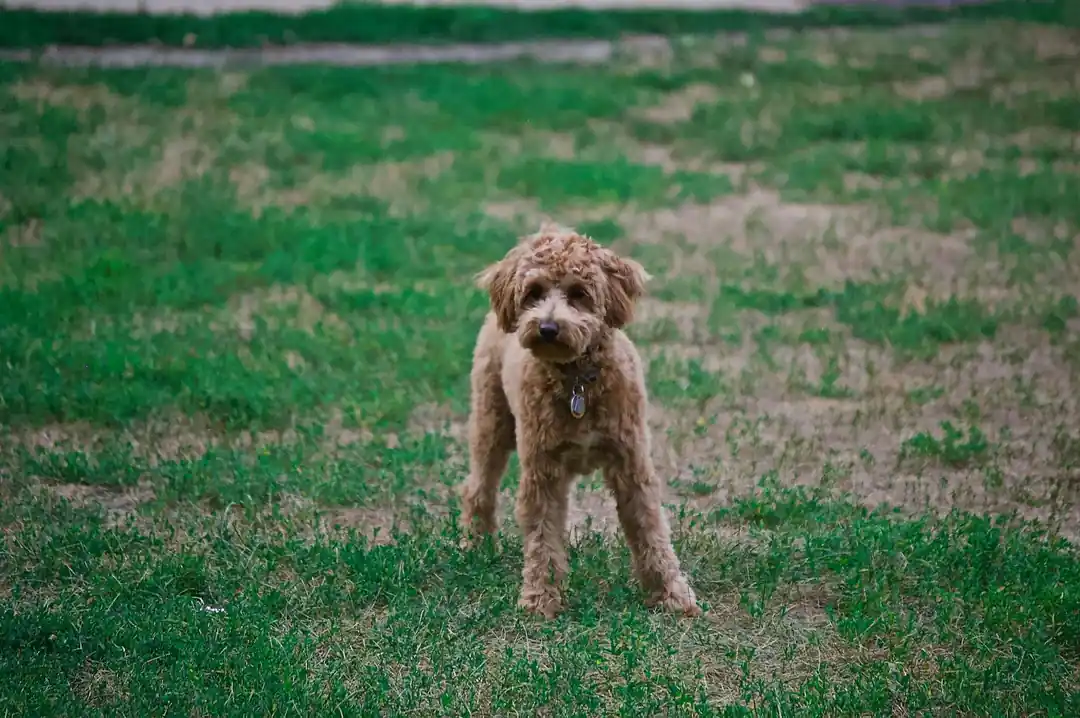
PETSSniffle-Free Snuggles: America's Most-Loved Hypoallergenic Dogs
Dreaming of a furry friend but dreading the sneezes? You're not alone. Let's dive into the wonderful world of popular hypoallergenic dog breeds in the US.

Popular Posts

Rethinking Non-Profit Promotion: Creative Strategies That Actually Drive Event Impact

How to Actually Master a New Language on Your Own (No Magic Gene Required)

The Simple Pre-Workout Fueling Strategy That Saved My Long Runs