Tired of waddling around after a tough workout? Discover the science-backed foods that can help reduce inflammation and get you back in the gym faster.
There’s a unique kind of satisfaction that settles in after a really good workout. You know the one—that feeling of tired-but-strong, knowing you pushed your limits. But then, the next morning arrives. You swing your legs out of bed and... oof. Every muscle protests. That satisfying ache has morphed into full-blown soreness, making stairs your mortal enemy. For years, I just accepted this as the price of admission for getting stronger. It’s just part of the deal, right?
Honestly, I used to think so. I’d foam roll, stretch, and complain, but I mostly just waited it out. It wasn't until I started looking into the why behind the soreness that I stumbled upon a game-changer: nutrition. It turns out that the ache, known as Delayed Onset Muscle Soreness (DOMS), is linked to micro-tears in your muscles and the resulting inflammation. And while some inflammation is a necessary signal for your body to repair and rebuild, chronic or excessive inflammation can seriously slow you down.
The incredible part? The foods we eat have a profound impact on this inflammatory process. By choosing wisely, we can actively help our bodies manage inflammation, leading to faster recovery, less pain, and better results. It’s not about a magic pill; it’s about harnessing the power of whole foods to work with your body’s natural healing processes. This shift in perspective from passively enduring soreness to actively eating for recovery has completely transformed my fitness journey.
The Science of Soreness: What’s Happening in Your Muscles?
Let's get into the nitty-gritty for a moment. When you challenge your muscles with resistance training or intense cardio, you create tiny microscopic tears in the muscle fibers. Your body, being the amazing self-repairing machine that it is, responds by initiating an inflammatory response. It sends a rush of immune cells and fluid to the area to clean up damaged tissue and kickstart the rebuilding process. This is what leads to the swelling, stiffness, and soreness we associate with a tough workout.
So, inflammation isn't the bad guy here; it's a crucial part of the muscle-building equation. The problem arises when this response is too aggressive or lasts too long. Think of it like a diligent construction crew that gets a little overzealous, causing more disruption than necessary and delaying the actual rebuilding. An out-of-control inflammatory response can increase muscle damage, prolong soreness, and even impact your performance in your next session.
This is where anti-inflammatory foods come into play. They contain specific nutrients and compounds—like antioxidants and healthy fats—that help modulate this process. They don't stop inflammation in its tracks (which we wouldn't want anyway), but they help keep it balanced and efficient. They ensure the "construction crew" does its job effectively and then packs up, allowing the real rebuilding to happen faster.
Your Anti-Inflammatory Grocery List
So, what should you be adding to your cart? The good news is that an anti-inflammatory diet is less about restriction and more about abundance. It’s filled with vibrant, delicious, and powerful foods.
Fatty Fish: The Omega-3 Powerhouses
If there's one nutrient that consistently tops the list for fighting inflammation, it's omega-3 fatty acids. Found in fatty fish like salmon, mackerel, and sardines, these fats are incredible at helping to resolve inflammation in the body. Research has shown that supplementing with omega-3s can significantly reduce the muscle soreness and swelling that occurs after exercise. If you're not a fan of fish, you can also find plant-based omega-3s in walnuts, chia seeds, and flaxseeds.
Berries and Tart Cherries: Antioxidant Champions
Think of antioxidants as your body's personal defense squad against cellular stress. Berries—like blueberries, raspberries, and strawberries—are packed with them, particularly a type called anthocyanins, which give them their rich, dark colors. These compounds are fantastic at neutralizing the free radicals produced during intense exercise. Tart cherry juice has become a superstar in the world of athletic recovery for this very reason. Studies have found that athletes who drink it before and after strenuous activity experience less pain and faster recovery of strength.
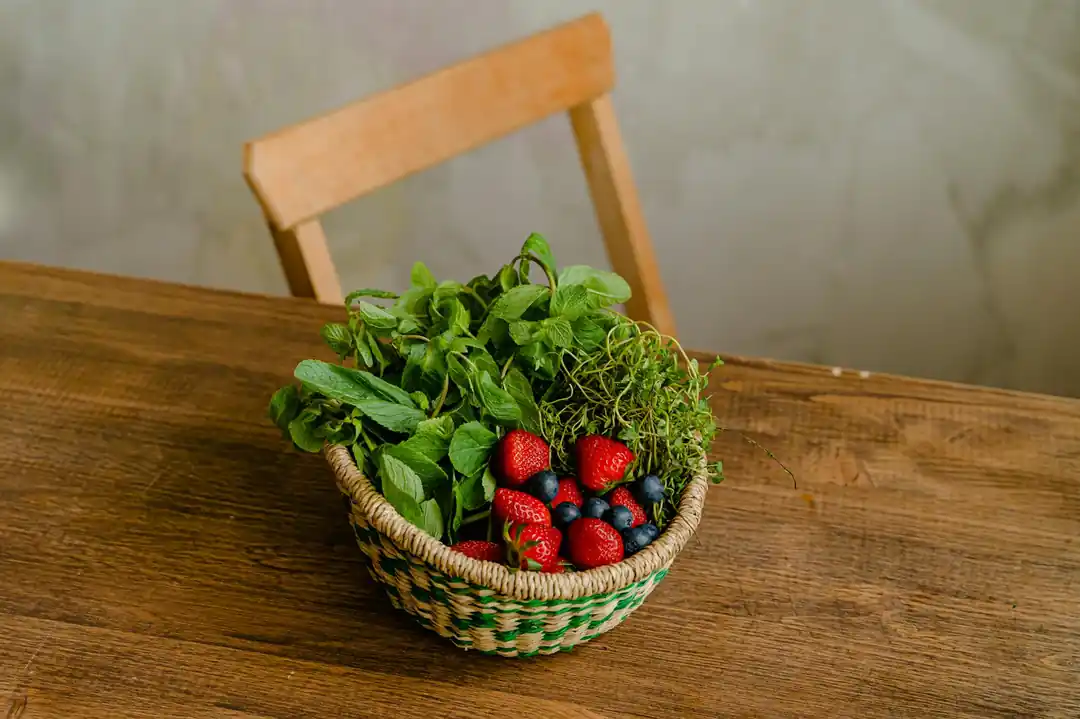
Leafy Greens and Cruciferous Veggies
It's no surprise that vegetables are on this list. Dark, leafy greens like spinach, kale, and Swiss chard are nutritional powerhouses, loaded with vitamins, minerals, and, you guessed it, antioxidants. They help support your immune system and provide the building blocks your body needs to function optimally. Don't forget about cruciferous vegetables like broccoli and cauliflower, which contain a compound called sulforaphane that has been shown to have potent anti-inflammatory effects.
Spices and Healthy Fats
Your spice rack can also be a powerful tool. Turmeric, with its active compound curcumin, is one of the most potent natural anti-inflammatories you can find. Pairing it with a pinch of black pepper can enhance its absorption dramatically. Ginger is another fantastic spice that can help soothe sore muscles and calm an upset stomach. And when it comes to fats, reach for olive oil and avocados. These monounsaturated fats are not only heart-healthy but also play a role in keeping inflammation in check.
Putting It All Together
Building an anti-inflammatory plate isn't complicated. It’s about making small, consistent choices that add up over time. Start your day with a smoothie packed with spinach, berries, and a spoonful of chia seeds. For lunch, have a big salad with grilled salmon and a drizzle of olive oil. Snack on a handful of walnuts or an apple. For dinner, try a curry made with turmeric and loaded with vegetables.
Remember, this is a holistic approach. These foods work best when combined with other smart recovery strategies like getting enough sleep, staying hydrated, and managing stress. It’s not about being perfect; it’s about creating a lifestyle that supports your body's incredible ability to heal and grow stronger.
The next time you’re feeling that post-workout ache, I hope you’ll see it not just as a sign of hard work, but as an invitation—an invitation to nourish your body from the inside out and fuel your recovery with the best ingredients nature has to offer.

The Unsung Hero of Healing: Are You Eating Enough Protein to Repair Your Injury?
Moving Sideways: Your Guide to a Smart Oblique Injury Recovery

Related Posts
 NUTRITION
The Simple Pre-Workout Fueling Strategy That Saved My Long Runs
Discover how timing your carbohydrates and embracing simple foods can eliminate mid-workout fatigue and unlock your true endurance potential.
 FITNESS
No Gym, No Problem: The Ultimate Guide to Bodyweight Fitness at Home
Forget expensive memberships. Discover how to build serious strength and transform your body using the most powerful tool you already own: yourself.

Popular Posts

Rethinking Non-Profit Promotion: Creative Strategies That Actually Drive Event Impact

Beyond Stark White: The Best Interior Paint Colors to Light Up Your New Space

How to Actually Master a New Language on Your Own (No Magic Gene Required)