That end-of-year chill is in the air, and it has us thinking about the one thing that connects our cars to the road. Let's finally clear up the confusion between all-weather and winter tires.
There’s a certain feeling that creeps in right around the time the leaves finish their autumn spectacle. It’s a mix of cozy anticipation for the holidays and a subtle, nagging anxiety about the driving conditions to come. If you live anywhere that gets a real winter, you know exactly what I’m talking about. The first forecast of snow sends a ripple through the community, and suddenly, everyone is remembering that they need to think about their tires. It’s a conversation I have with friends every single year, and it’s always tangled in confusion.
For years, the choice seemed simple: you either stuck with your "all-season" tires and hoped for the best, or you committed to the seasonal ritual of swapping on a set of dedicated winter (or "snow") tires. But a third contender has become a serious player in the last decade: the "all-weather" tire. It sounds like a simple marketing term, but it represents a significant leap in tire technology. So, what’s the real story here? Is there a genuine, noticeable difference between an all-weather tire and a true winter tire when the roads get slick?
Honestly, understanding this difference isn't just about car maintenance; it's one of the most fundamental safety decisions a driver can make. We’re going to break it down, looking at the technology, the ideal use cases, and the research from experts like Consumer Reports to finally get some clarity.
The Uncompromising Champion: The Dedicated Winter Tire
Let's start with the specialist, the undisputed king of cold. Dedicated winter tires are engineered for one purpose and one purpose only: to provide the best possible traction and control in snow, on ice, and in freezing temperatures. They are not just a more aggressive version of an all-season tire; they are a completely different breed, built from the ground up with unique materials and designs.
The real magic begins at a molecular level. The rubber compounds used in winter tires are designed to stay soft and pliable even when the temperature drops well below 45°F (about 7°C). This is the critical temperature where the rubber on typical all-season tires begins to harden, becoming less like a grippy eraser and more like a stiff hockey puck. A softer tire can better conform to the microscopic imperfections in the road surface, maximizing grip. I remember the first time I drove a car with proper winter tires after years of "making do" with all-seasons; the difference in confidence on a cold, dry road—even before any snow fell—was staggering.
Then you have the tread design. Winter tires feature deep, wide grooves that are exceptional at channeling snow and slush away from the tire's contact patch, preventing hydroplaning and maintaining a firm connection to the pavement. But the secret weapon is the thousands of tiny, jagged slits cut into the tread blocks, known as "sipes." These sipes act like a squeegee on wet surfaces and provide thousands of extra biting edges to dig into snow and ice. When you look at a winter tire up close, you can see it’s built for battle. This is why they carry the mandatory Three-Peak Mountain Snowflake (3PMSF) symbol, a certification that they meet a required level of performance in severe snow conditions.
The Versatile Contender: The All-Weather Tire
So, if winter tires are so dominant, why would anyone consider anything else? The answer, for a growing number of drivers, is the all-weather tire. This category was created to bridge the significant performance gap between all-season and winter tires. Think of it not as a master of one season, but as a highly capable jack-of-all-trades that doesn’t completely fall apart when the weather gets serious.
Crucially, all-weather tires also earn the same 3PMSF symbol as their dedicated winter counterparts. This is the single most important distinction that separates them from a standard "M+S" (Mud and Snow) rated all-season tire. To get that symbol, they have to prove they have the chops for legitimate snow traction. They achieve this with a hybrid approach. Their rubber compound is more advanced than a typical all-season; it’s formulated to stay much more flexible in the cold, yet it's also durable enough to handle the heat of summer driving without wearing out prematurely.
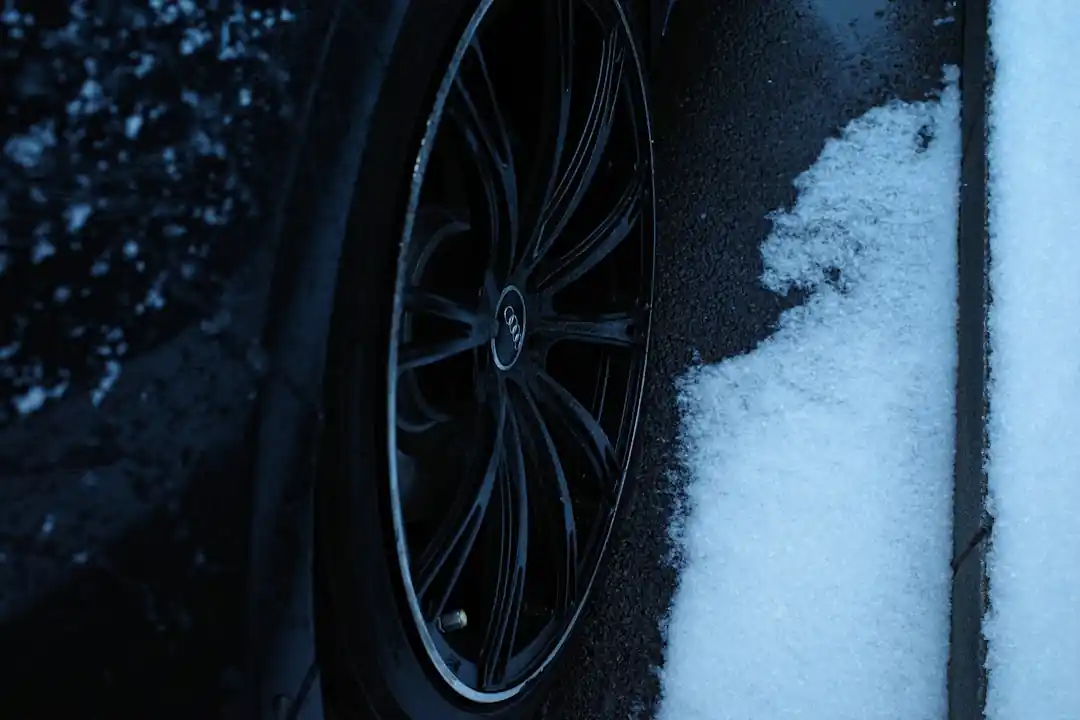
Their tread patterns also borrow ideas from both worlds, often featuring more aggressive siping and blockier designs than an all-season, but perhaps less extreme than a full-on winter tire. The appeal is obvious: you get one set of tires that you can run all year long, providing a significant safety advantage over all-seasons in the winter without the hassle and expense of a biannual tire swap. For many people in the U.S. who live in regions with moderate or unpredictable winters—think the mid-Atlantic, or parts of the Pacific Northwest—this is a game-changing proposition.
Head-to-Head: Who Wins When?
Okay, let's put them in the ring. While both are great options, they excel in different scenarios.
Deep Snow & Ice: Winner: Winter Tires. There is no substitute. The specialized soft compound and hyper-aggressive tread of a winter tire will provide shorter stopping distances and more reliable cornering on ice and in several inches of snow. While an all-weather tire is competent, a winter tire is dominant.
Cold, Dry, and Wet Roads: This is closer, but the edge often still goes to Winter Tires. Remember, the primary advantage comes from the rubber compound. On a freezing but clear day, the winter tire's ability to stay soft means it simply grips the cold asphalt better.
Year-Round Convenience: Winner: All-Weather Tires. This isn't even a contest. The ability to "set it and forget it" is the all-weather tire's main selling point. Using winter tires in the summer is a bad idea; their soft tread will wear down incredibly fast on hot pavement, and their handling can feel mushy.
Your Location is Everything: If you live in Buffalo, NY, or Anchorage, AK, where heavy snow and ice are a guaranteed part of life for months on end, a set of dedicated winter tires is a wise, if not essential, investment in your safety. However, if you live in a place like Philadelphia, PA, or Portland, OR, where you might get a few inconvenient snowfalls and a lot of cold, rainy days, the all-weather tire is an incredibly compelling and practical choice. It offers a massive safety upgrade for those few bad days without the commitment of a second set of tires.
Ultimately, this isn't about one tire being "better" than the other; it's about which tire is better for you. It requires an honest assessment of your climate and your personal tolerance for risk and inconvenience. Both technologies represent incredible advancements in safety. Choosing either one over a standard all-season tire for winter driving is a significant step in the right direction, giving you the grip and confidence you need to navigate whatever the season throws at you.

That 'Bomb Cyclone' is Coming. Is Your Home Ready?
That Winter Road Trip is Calling, But is Your Car Ready? My Essential Pre-Trip Checklist

Related Posts
 TRANSPORT
Beyond the Highway: Finding Canada's Soul on a Western Rail Adventure
Forget road trips. I'm talking about rediscovering the romance of travel on Via Rail's most scenic routes through the heart of the Canadian West. It’s an experience that changes you.
 TRAVEL TIPS
The Unwritten Rules of the North: What to Know Before Camping in Canada
Heading to the Great White North for a camping trip? It's an amazing idea. But from campfire etiquette to wildlife wisdom, here’s what you need to know before you go.

Popular Posts

Rethinking Non-Profit Promotion: Creative Strategies That Actually Drive Event Impact

Beyond Stark White: The Best Interior Paint Colors to Light Up Your New Space

How to Actually Master a New Language on Your Own (No Magic Gene Required)
