From Apple CarPlay to Tesla's command center, we're diving deep into the tech that's transforming our driving experience. Which system is the right co-pilot for you?
Honestly, do you remember when the peak of car technology was a six-disc CD changer? It feels like a lifetime ago. Today, slipping into the driver's seat is less about turning a key and more about logging into a sophisticated digital ecosystem. The humble car radio has been completely reborn as the "infotainment system"—a sprawling, interactive hub that controls everything from navigation and music to the climate and even the car's driving dynamics. It’s the vehicle's brain and its personality, and it has become one of the most critical factors for new car buyers.
The battle for dashboard dominance is fierce. Tech giants and legacy automakers are all vying for our attention, pouring billions into creating the most intuitive, connected, and visually stunning experience possible. It’s a fascinating intersection of user interface design, artificial intelligence, and raw computing power. But with so many options, from the phone-mirroring convenience of Apple CarPlay and Android Auto to the deeply integrated proprietary systems from brands like Tesla, BMW, and Mercedes, it can be overwhelming to figure out which one is actually the best.
I’ve spent a lot of time thinking about this, not just as a tech editor, but as a driver. What makes an infotainment system truly great? Is it the size of the screen? The number of apps? Or is it something more subtle—a seamlessness that makes technology feel less like a distraction and more like a natural extension of your drive? Let's break down the major players and see who is winning the race.
The Universal Connectors: Apple CarPlay & Android Auto
For a huge number of drivers in the US, the infotainment conversation begins and ends with two names: Apple CarPlay and Android Auto. The concept is brilliant in its simplicity: instead of forcing you to learn a whole new clunky interface from the car manufacturer, just project a driver-safe version of your smartphone’s operating system onto the car’s screen. This approach has been so successful that for many, a car without it is a deal-breaker.
Apple CarPlay is the undisputed king of clean, intuitive design. If you have an iPhone, the experience is immediately familiar. The grid of icons, the familiar notifications, and the seamless integration with iMessage and Apple Maps just work, and they work beautifully. Apple’s walled-garden approach means the app selection is curated and controlled for safety, but all the essentials are there: Spotify, Waze, Audible, and more. The latest versions push this integration even further, with the ability to take over the entire instrument cluster in some newer vehicles, showing speed, RPM, and map data within that polished Apple aesthetic.
Android Auto, on the other hand, is all about customization and the power of Google. Its interface, especially with the "Coolwalk" update, allows for a split-screen view, so you can have your navigation, music, and messages visible all at once. This is a huge win for multitasking. Where Android Auto really flexes its muscles is with Google Assistant. The voice commands are simply more powerful and conversational than Siri is in the car. The ability to ask complex questions or control your smart home devices without missing a beat is a genuine advantage. While it might not have the same uniform design polish as CarPlay, its flexibility and the intelligence of its voice assistant are hard to beat.
The In-House Titans: Tesla's Command Center
You can't talk about modern infotainment without talking about Tesla. The company completely rewrote the rules by placing a massive, vertically-oriented touchscreen at the heart of the car and routing nearly every single control through it. There are no buttons for the air conditioning, no knobs for the volume—just the screen. It’s a bold, minimalist approach that feels incredibly futuristic, and the system's responsiveness, powered by high-end processors, is closer to a high-end tablet than any car system that came before it.
The true genius of Tesla's system is the over-the-air (OTA) updates. Your car literally gets better while you sleep, with new features, games, and interface improvements regularly beamed down. The integrated navigation with real-time traffic and Supercharger planning is best-in-class, and the sheer amount of entertainment—from Netflix and YouTube to a full-blown arcade—makes waiting for your car to charge (or for your kids to finish soccer practice) genuinely enjoyable.
However, this all-in approach has its critics. The most glaring omission is the lack of both Apple CarPlay and Android Auto. Tesla is confident that its own system is superior, and while it is fantastic, many users miss the deep integration with their phone's ecosystem. Furthermore, the reliance on the touchscreen for basic functions can be a point of contention. Sometimes you just want a physical button to turn on the defrost, and having to tap through a menu for it can feel like a step backward in usability, no matter how slick the screen is.
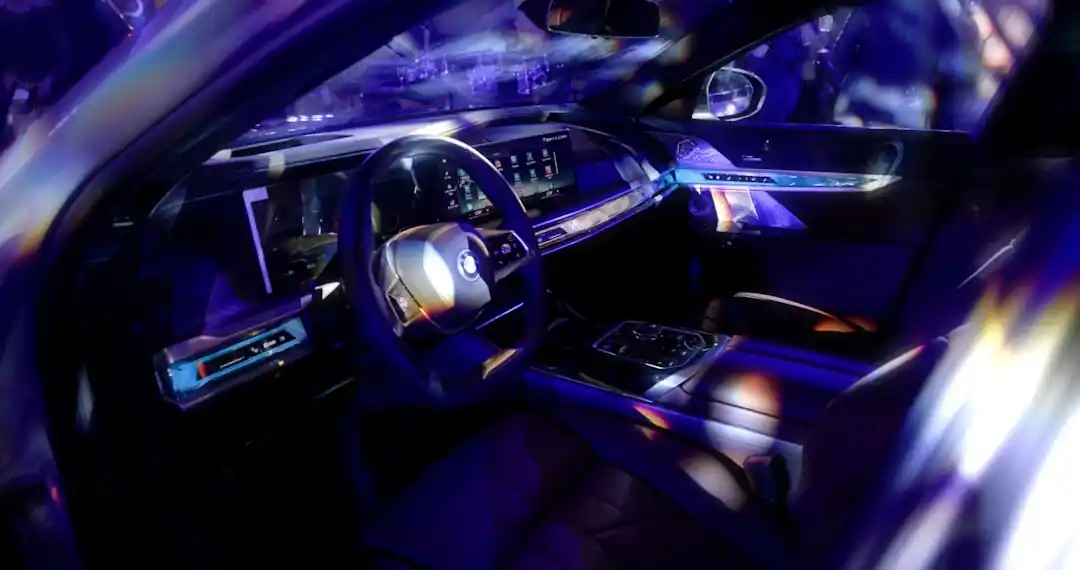
The German Powerhouses: BMW iDrive vs. Mercedes MBUX
In the luxury space, the Germans are waging a fascinating war of digital philosophies. BMW and Mercedes-Benz have invested fortunes into creating bespoke experiences that aim to define the future of luxury driving.
BMW's iDrive has evolved from its early, controversial rotary-knob-only days into a truly sophisticated and driver-focused system. The latest iteration, often displayed on a beautiful curved screen that elegantly merges the instrument cluster and central display, is a masterclass in design. It’s sharp, fast, and intelligently laid out. Crucially, BMW has retained the physical iDrive controller in many models, giving users the choice between touch, voice, and tactile control—a decision many, including myself, deeply appreciate. Their integration of both CarPlay and Android Auto is also among the best in the business, allowing the phone-projected maps to appear directly in the instrument cluster.
Mercedes, with its MBUX (Mercedes-Benz User Experience) system, has gone for pure spectacle, and the result is breathtaking. The optional "Hyperscreen" is a single piece of glass that stretches 56 inches across the entire dashboard, housing three separate OLED displays. It’s an absolute showstopper. But it’s not just for looks. MBUX is powered by a smart AI that learns your habits and proactively suggests actions through its "Zero Layer" interface, placing commonly used functions at your fingertips. The voice assistant, activated with a simple "Hey, Mercedes," is remarkably advanced and can control almost every aspect of the car with natural language. It’s an immersive, visually stunning experience that makes the car feel like a rolling high-tech lounge.
So, Which Is Right for You?
After living with and testing all these systems, it’s clear there’s no single "best" for everyone. It truly comes down to your priorities.
If you value simplicity, seamless phone integration, and a clean, intuitive interface, Apple CarPlay is your champion. It’s the "it just works" solution. If you crave customization, the best-in-class voice assistant, and a more open app ecosystem, Android Auto is your perfect co-pilot.
If you see your car as a piece of evolving technology and love the idea of a minimalist, screen-focused future, the Tesla experience is unparalleled. The constant updates and built-in entertainment are a huge draw, provided you can live without CarPlay or Android Auto.
And if you’re shopping in the luxury market, your choice is one of philosophy. Do you prefer the driver-focused, ergonomically brilliant design of BMW's iDrive, which perfectly blends tech with tactile control? Or do you want the jaw-dropping, AI-powered spectacle of the Mercedes MBUX, a system that prioritizes immersion and futuristic flair?
No matter which path you choose, one thing is certain: the days of the boring car radio are long gone. Our cars are now as smart, personal, and connected as we are, and the journey is becoming just as interesting as the destination.
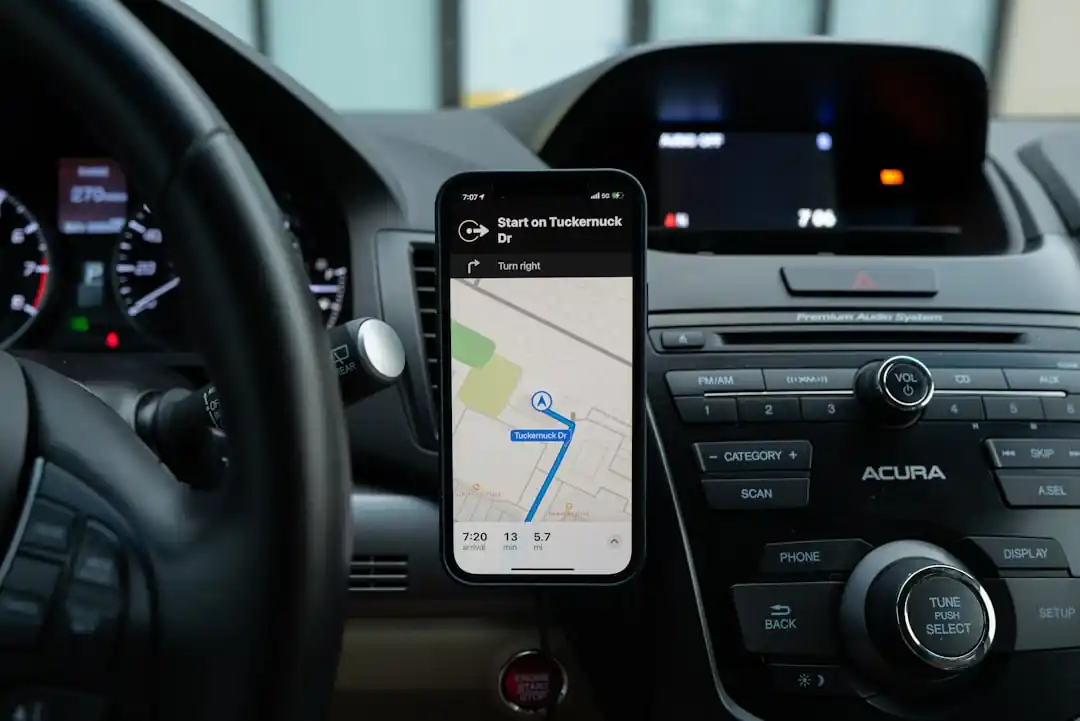
Apple CarPlay vs. Android Auto: The Ultimate Showdown for Your Dashboard
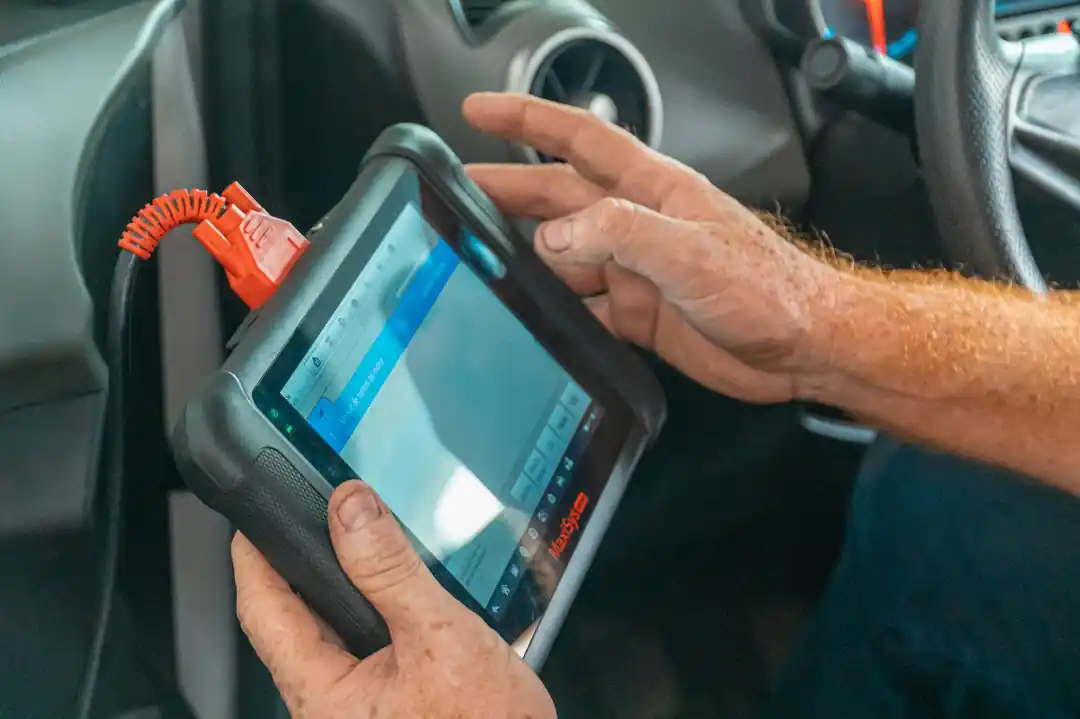
That Check Engine Light Isn't So Scary: Your Guide to Vehicle Diagnostic Apps
Related Posts
 MOBILE
The Great Console Debate: How to Choose the Right Gaming System for Your Family
Feeling stuck between a Switch, a PlayStation, and an Xbox? Let's break down which gaming console is the perfect fit for your family's game nights.
 MOBILE
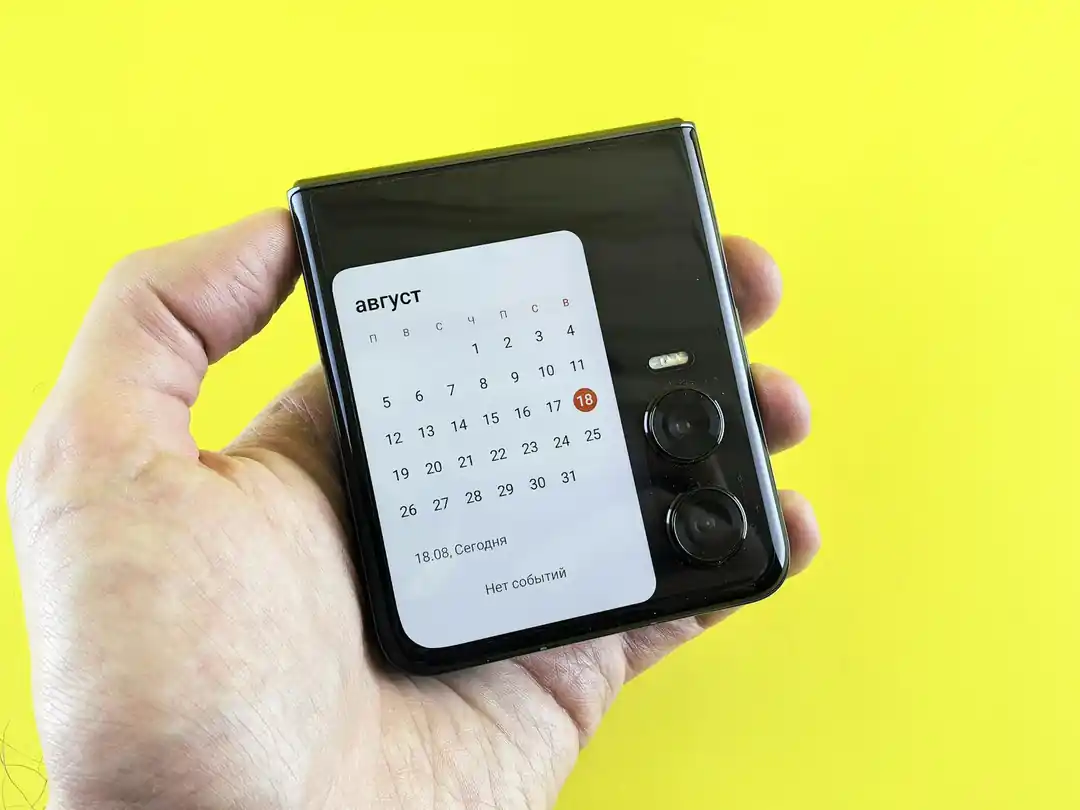
From Fragile to Formidable: The Surprising Evolution of Foldable Phone Durability
Remember when the idea of folding a smartphone screen in half felt like a disaster waiting to happen? Let's talk about how far they've come, because the story is pretty incredible.
Popular Posts

Rethinking Non-Profit Promotion: Creative Strategies That Actually Drive Event Impact

Beyond Stark White: The Best Interior Paint Colors to Light Up Your New Space

How to Actually Master a New Language on Your Own (No Magic Gene Required)
