The Ultimate Hurricane Emergency Kit: Are You Forgetting These Lifesaving Items?
Hurricane season is a reality for millions. While you have the basics, what about the items that truly make a difference? Let's build a kit that offers more than just survival—it offers peace of mind.
Honestly, there’s a particular stillness in the air just before a hurricane that always gets to me. It’s a heavy quiet, full of anticipation. For years, that feeling was tangled up with a knot of anxiety in my stomach. I’d run through a mental checklist—water, batteries, canned soup—and hope it was enough. It wasn't until I sat down and truly thought about what it means to be without power, without easy access to stores, or even without running water for days on end that I realized my basic kit was missing the point.
Preparation isn't about just surviving; it's about maintaining a sense of normalcy and safety in a world turned upside down. It's about thinking beyond the obvious and considering the small comforts and practical tools that can make a monumental difference. After talking with neighbors who have weathered countless storms and diving deep into recommendations from sources like FEMA and the Red Cross, I’ve transformed my approach. This isn't just a list of items; it's a strategy for resilience.
The Non-Negotiables: Your Foundation for Survival
Let's start with the absolute bedrock of any emergency kit. These are the items that every single household needs to have, no exceptions. The standard recommendation is one gallon of water per person, per day, for a minimum of three to seven days. And don't forget your pets! It sounds like a lot of water to store, but it's for more than just drinking—it's for sanitation and hygiene, too. When the water lines are compromised, you'll be grateful for every drop.
Food is the next pillar. You need a supply of non-perishable food that will last for several days. Think high-energy, no-cook items: protein bars, peanut butter, dried fruit, nuts, and canned goods like tuna, chicken, or beans. A word to the wise: please, please, pack a manual can opener. I have a friend who once stared at a beautiful stack of canned chili with no way to open it after his electric opener became a useless brick. It’s a small thing that becomes a very big thing when you're hungry.
Finally, light and information are critical when the grid goes down. Every kit needs multiple flashlights and a mountain of extra batteries. I prefer headlamps, honestly, because they keep your hands free for other tasks. Just as important is a battery-powered or hand-crank NOAA Weather Radio. Cell towers can fail, and the internet will be a distant memory, but that radio will keep you connected to essential emergency broadcasts and updates. It’s a lifeline to the outside world.
Health and Hygiene: Staying Human in the Storm
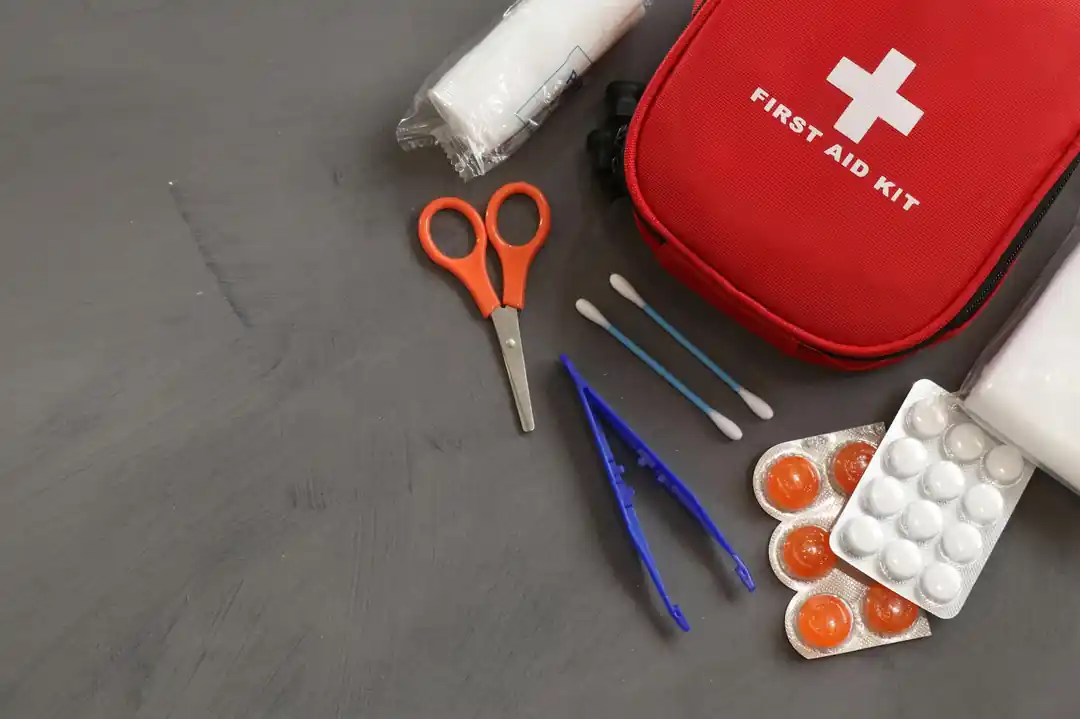
This is where we move beyond basic survival and into the realm of comfort and dignity. A standard first-aid kit is a great start, but you need to customize it. Include a supply of any prescription medications you or your family members take—at least a week's worth. Don't forget pain relievers, allergy medicine, and anything you use regularly. I also add a backup pair of glasses, because losing your vision in an emergency is a nightmare scenario.
Personal hygiene is another area that's easy to overlook but has a huge impact on morale. Stock up on moist towelettes, garbage bags, and plastic ties for personal sanitation. Hand sanitizer is a must. If you have an infant, pack diapers and formula. For women, feminine hygiene supplies are absolutely essential. Maintaining a sense of cleanliness can do wonders for your mental state when you're cooped up and stressed.
Think about your specific medical needs. Do you have a family member with diabetes? Ensure you have the necessary supplies. Do you wear contact lenses? Pack extra solution and cases. This part of your kit is deeply personal. Take a moment to walk through your daily routine and think about what you'd be lost without. That’s what needs to go in the box.
Documents, Cash, and Digital Lifelines
In the chaos of an evacuation or the aftermath of a storm, the last thing you want to be worrying about is your identity or your finances. This is why a "documents go-bag" is one of the most important things you can prepare. Gather copies of your insurance policies, identification cards, social security cards, and bank account records. Save them digitally on a password-protected flash drive and also keep paper copies in a waterproof, portable container.
Cash is king in a power outage. Credit card machines and ATMs will not work. I keep a stash of small bills, enough to buy gas, food, or other necessities if the need arises. It feels a bit old-school, but it’s incredibly practical. You don’t want to be in a situation where you have access to supplies but no way to pay for them.
And what about our digital lives? Our phones are our connection to family and emergency services. A fully charged portable power bank is not a suggestion; it's a requirement. I actually have two or three, so I can keep my family’s phones running for several days. Make sure you have all the necessary charging cables in your kit as well. Before the storm, take the time to download offline maps of your area. If cell service is down, you’ll still be able to navigate.
Comfort and Sanity: The Little Things That Matter Most
When you've taken care of all the practical necessities, it's time to think about your mental health. Being stuck inside for days on end, listening to the wind and rain, can be incredibly stressful, especially for children. Packing a few items for comfort and entertainment can make a world of difference.
For kids, this might mean a favorite board game, a deck of cards, coloring books, or a special toy that you’ve saved just for this purpose. For adults, it could be a good book (a real, paper one!), a journal, or a puzzle. The goal is to have something to focus on other than the storm raging outside. It’s about creating moments of normalcy and calm in the middle of chaos.
Don't underestimate the power of a comforting snack or a warm drink. I always pack some instant coffee or tea bags and a few of our favorite treats. If you have a small camp stove, being able to heat up some soup or make a cup of coffee is a massive morale booster. These small acts of self-care are not frivolous; they are essential for maintaining the resilience you'll need to get through the storm and its aftermath. Your future self will thank you for thinking of them.

So You Want to Create 3D Characters? Here's Where to Start.
The Unspoken Medicine: How Pet Therapy Is Transforming Hospital Stays
Related Posts
 HOBBIES
The Beginner's Guide to Reading the Night Sky: How to Spot Your First Constellations
A friendly, grounded guide to navigating the night sky, understanding stellar movements, and spotting iconic constellations without expensive gear.
 PETS
PETSSniffle-Free Snuggles: America's Most-Loved Hypoallergenic Dogs
Dreaming of a furry friend but dreading the sneezes? You're not alone. Let's dive into the wonderful world of popular hypoallergenic dog breeds in the US.

Popular Posts

Rethinking Non-Profit Promotion: Creative Strategies That Actually Drive Event Impact

How to Actually Master a New Language on Your Own (No Magic Gene Required)

The Simple Pre-Workout Fueling Strategy That Saved My Long Runs