Ever heard of a highway made of ice? Journey with us to the heart of Siberia, where the mighty Lena River transforms into a treacherous, yet vital, frozen road connecting the coldest city on Earth.
There are some places in the world that just defy easy explanation. They exist at the very edge of what we consider normal, places where life operates under a completely different set of rules. The Lena Highway in Siberia is one of those places. Honestly, it’s less of a road and more of a legend—a route that includes a seasonal highway made entirely of ice, built on top of one of the world's longest rivers. It’s a concept that sounds like something out of a fantasy novel, but for the people of Yakutsk, the coldest city on Earth, it's a simple, albeit perilous, fact of life.
I first stumbled upon the Lena Highway while falling down a rabbit hole of "world's most dangerous roads," and I was immediately captivated. It’s not just about the danger, though there is plenty of that. It’s the sheer audacity of it. For about five months every year, from December to April, the Lena River freezes so solid that it becomes the primary artery for trucks and cars to reach Yakutsk. This city has no bridge connecting it to the main highway network on the other side of the river. So, when the ferries stop running, the river itself has to become the road.
This isn't just a quaint local shortcut. We're talking about a massive, multi-lane highway scraped onto the ice, complete with road signs and weight restrictions, supporting a steady stream of heavy-duty trucks hauling essential supplies. It’s a lifeline, a frozen umbilical cord connecting a city of over 300,000 people to the rest of the world. And as I learned more, I realized the story of this ice road is a profound narrative about resilience, ingenuity, and humanity's incredible ability to adapt to the most extreme environments imaginable.
The River That Becomes a Road
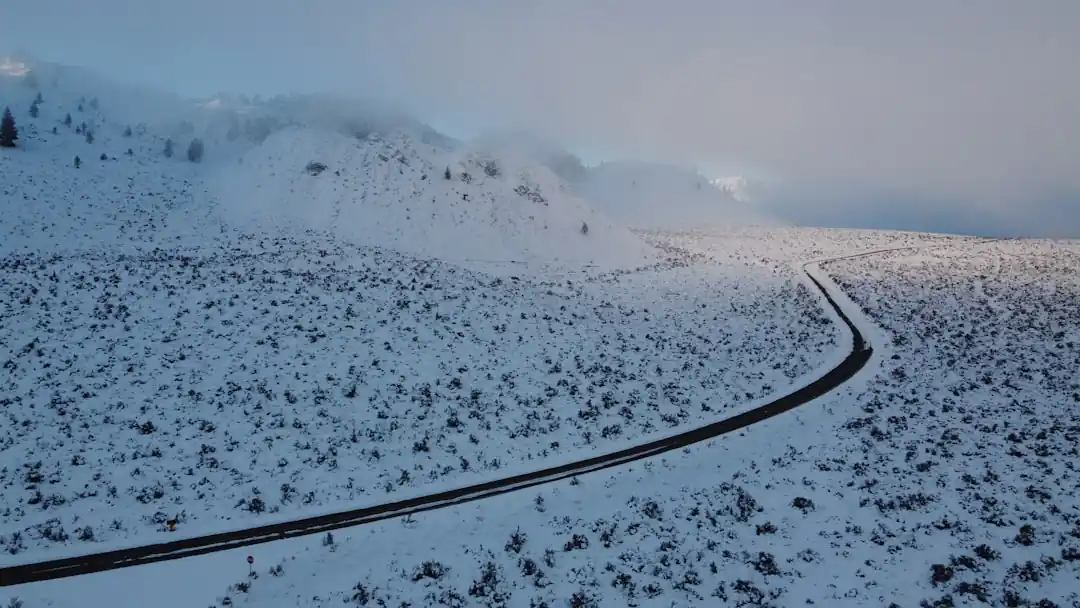
So, how does a river become a highway? It starts with the cold. And in Yakutia, "cold" is an understatement. With winter temperatures regularly plunging to -50°F (-45°C) and below, the Lena River, which can be several miles wide, freezes to a depth of six feet or more. Once the ice is deemed thick enough by authorities—a process involving constant testing and monitoring—the official ice road, or zimnik, is declared open. This frozen highway connects the city of Yakutsk on the western bank with the A360 Lena Highway, which terminates on the eastern bank.
What's fascinating is that this isn't just a free-for-all. It's a highly organized operation. Crews work to clear snow, mark out lanes, and even put up traffic signs. According to reports I've read, there are different lanes for different weight classes of vehicles, ensuring the immense pressure of heavy trucks is distributed safely across the ice. The speed limit is strictly enforced, as driving too fast can create waves under the ice sheet, a phenomenon that can lead to catastrophic cracks. It’s a delicate dance of physics and logistics, played out on a stage of frozen water.
For those few months, the ice road is the most reliable and cost-effective way to transport goods. Food, fuel, construction materials, and everything else the city needs comes rumbling across this frozen expanse. It’s a period of intense activity, a stark contrast to the "rasputitsa" or "quagmire season" in spring and autumn. During those transitional periods, the ice is too thin for trucks but too thick for ferries, effectively isolating the city from ground transport and forcing a reliance on expensive air travel.
A Calculated Risk: The Dangers of the Ice
Let's be clear: driving on a frozen river is never entirely safe. The official ice road is managed and monitored, but the raw power of nature is always present. The greatest danger comes from those who cross outside the official season or ignore the posted weight limits. Every year, the news is filled with tragic stories of vehicles, from small cars to heavy trucks, breaking through the ice and being swallowed by the frigid water below. The temptation to get a head start before the official opening or to make one last run after its closure is a deadly gamble.
I saw some harrowing videos online during my research, showing trucks navigating through inches of water covering the ice as it begins to melt. It’s a heart-stopping sight. Drivers describe the unnerving groans and cracks of the ice beneath their tires, a constant reminder of the deep, dark river just feet below. One source mentioned that drivers often keep their doors unlatched, ready to bail out at a moment's notice. It’s a level of workplace anxiety that is almost impossible for most of us to fathom.
The main Lena Highway itself, even on solid ground, has a fearsome reputation. For years, it was a treacherous dirt road that would turn into an impassable sea of mud during the summer rains, earning it the nickname the "Highway from Hell." While paving projects have improved much of the route, its connection to the ice road cements its legendary status. The combination of extreme cold, unpredictable ice, and remote wilderness makes any journey on this route a serious undertaking.
A Bridge to the Future
The story of the Lena Highway Ice Road is, in many ways, a story about a bridge—or the lack thereof. For decades, a permanent bridge connecting Yakutsk to the highway network has been a dream. The engineering and financial challenges of building on permafrost in such a harsh climate are immense. However, after years of planning and delays, construction on the Lena Bridge has finally begun. It's a monumental project slated to change life in Yakutsk forever.
Once completed, the bridge will provide a year-round, all-weather connection, ending the city's seasonal isolation. It will make transportation safer, more reliable, and cheaper. It will be a symbol of progress, a triumph of modern engineering over one of the planet's most challenging environments. And yet, there's a small, romantic part of me that will be sad to see the era of the ice road come to an end.
There is something elemental and deeply human about the zimnik. It represents a direct, unmediated relationship with the natural world. It’s a tradition born of necessity that has bred a unique culture of resilience, self-reliance, and community among the drivers and residents. While a bridge is undoubtedly the safer and more logical solution, it will close a chapter on a remarkable story of human adaptation. The ice road is a fleeting, seasonal marvel, a powerful reminder that sometimes, the most incredible paths are the ones we carve ourselves, right on top of the water.

The Ultimate Guide to Choosing the Best Streaming Service in 2025
Ice Roads and Icy Rivers: How to Actually Travel Across the Sakha Republic
Related Posts
 TRANSPORT
Beyond the Highway: Finding Canada's Soul on a Western Rail Adventure
Forget road trips. I'm talking about rediscovering the romance of travel on Via Rail's most scenic routes through the heart of the Canadian West. It’s an experience that changes you.
 TRAVEL TIPS
The Unwritten Rules of the North: What to Know Before Camping in Canada
Heading to the Great White North for a camping trip? It's an amazing idea. But from campfire etiquette to wildlife wisdom, here’s what you need to know before you go.

Popular Posts

Rethinking Non-Profit Promotion: Creative Strategies That Actually Drive Event Impact

Beyond Stark White: The Best Interior Paint Colors to Light Up Your New Space

How to Actually Master a New Language on Your Own (No Magic Gene Required)
