Ever felt that pang of fear about losing your hard-earned gaming progress? Protecting your online gaming accounts is more crucial than ever, and honestly, it's simpler than you might think.
It’s a feeling many of us know all too well. That sudden, cold spike of dread when you try to log into your favorite game and the password just… doesn’t work. You try again. Nothing. Your mind races through the possibilities, but the most likely one is the most terrifying: someone has stolen your account. All those hours spent grinding for rare loot, the digital items you paid real money for, the friends list you’ve curated over years—it could all be gone in an instant. It’s a uniquely modern kind of violation, and honestly, it’s heartbreaking.
I used to be pretty lax about my own account security. I figured, who would want my account? I’m not a pro streamer, and my collection of in-game cosmetics isn’t exactly the stuff of legends. But that’s a dangerously outdated way of thinking. I read a report recently that highlighted how automated bots constantly scan for accounts with weak, reused, or old passwords, regardless of how "valuable" the account seems on the surface. It’s not personal; it’s a numbers game. Your account, with its connected payment methods and personal information, is a target simply because it exists.
That realization was a wake-up call. We invest so much of ourselves into these digital spaces, and leaving the door wide open is a risk none of us should be taking. The good news is that fortifying your digital life doesn’t require a cybersecurity degree. It just takes a little bit of awareness and a few proactive steps.
Your First Line of Defense: Passwords & Two-Factor Authentication
Let’s start with the absolute bedrock of your account security: the password. I know, you’ve heard it a million times, but the importance of a strong, unique password cannot be overstated. Using "Password123" or your pet’s name is the digital equivalent of leaving your house key under the doormat. It’s the first thing anyone with malicious intent is going to try. A strong password is your first and most powerful barrier against unauthorized access.
So, what makes a password strong? Length and complexity. Aim for at least 12-15 characters, and make it a random-looking mix of uppercase letters, lowercase letters, numbers, and symbols. The key is to make it unpredictable. A great trick is to think of a short, memorable sentence and use the first letter of each word, substituting some letters for numbers or symbols. For example, "My cat loves to chase red laser dots!" could become "Mc1tcrld!". It’s unique, complex, and far harder to crack than a simple word. And please, never, ever reuse passwords across different sites. If one site gets breached, a reused password gives hackers a key to unlock all your other accounts.
If you’re thinking there’s no way you can remember a dozen different complex passwords, you’re right. That’s where a password manager comes in. Think of it as a secure digital vault for all your login credentials. Services like 1Password, Bitwarden, or Dashlane can generate incredibly strong, unique passwords for all your accounts and store them securely, auto-filling them when you need to log in. You only have to remember one master password—the one to the vault itself.
Now, for the real game-changer: Two-Factor Authentication (2FA), sometimes called Multi-Factor Authentication (MFA). If your password is the lock on your door, 2FA is the armed guard standing in front of it. It requires a second form of verification in addition to your password, proving that it’s really you trying to log in. This second factor is usually a temporary code sent to your phone via SMS or generated by an authenticator app like Google Authenticator or Authy. Even if a hacker manages to steal your password, they won't be able to get in without also having physical access to your phone. Every major gaming platform—Steam, Epic Games, PlayStation Network, Xbox, Battle.net—offers 2FA. If you do only one thing after reading this article, go into your account settings and turn it on. Right now.
Beyond the Login: Spotting Phishing Scams and Social Engineering
Unfortunately, not all threats are brute-force attacks. Some of the most effective tactics are designed to trick you into handing over the keys yourself. This is called phishing, and it’s a huge problem in the gaming community. These scams often arrive as official-looking emails or direct messages, creating a sense of urgency or temptation to make you act without thinking.
You’ve probably seen them before. An email from "Blizzard" claiming your account has been flagged for suspicious activity and you must click a link to verify your identity. A whisper in-game from another player offering you a link to a site with "free" premium currency. A message on Discord promising early access to a new game if you just log in with your Steam credentials on their "special" site. These are all classic phishing tactics. The links lead to fake login pages that look identical to the real thing, designed to capture your username and password the moment you type them in.
The best defense against phishing is a healthy dose of skepticism. Always scrutinize the sender's email address; scammers often use addresses that are just slightly off from the official one (e.g., [email protected] instead of .com). Hover your mouse over any links before you click to see the actual destination URL. No legitimate company will ever ask for your password in an email or direct message. And remember the golden rule: if an offer seems too good to be true, it absolutely is.
This vigilance extends to your social interactions. Be careful about how much personal information you share with people you only know online. Details that seem harmless, like your birthday, pet’s name, or hometown, are often the answers to security questions used for account recovery. Scammers can be patient, building a friendly rapport over weeks or months just to gain your trust before they strike. Keep your personal and gaming lives separate, and treat your login credentials like the valuable assets they are.
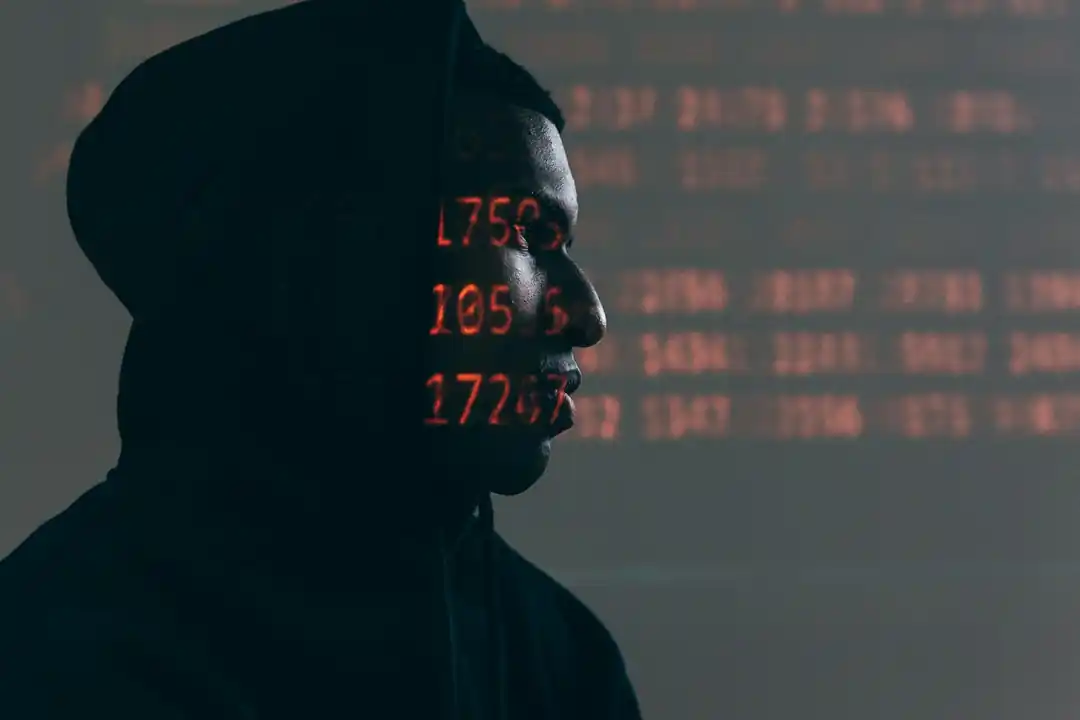
Keeping Your Kingdom Clean: Device and Network Hygiene
Your account security is only as strong as the device you’re using to access it. A compromised computer or phone can bypass even the strongest passwords and 2FA. This is why good digital hygiene is not just recommended; it’s essential. It starts with keeping your software updated. Developers are constantly releasing patches for security vulnerabilities, and running outdated software is like inviting trouble. Make sure your operating system, your web browser, and your game clients are all set to update automatically.
Be extremely cautious about what you download. That "free" game mod or cheat engine you found on a sketchy forum could easily be a Trojan horse designed to install a keylogger or other malware on your system. A keylogger does exactly what it sounds like: it records every keystroke you make, including your usernames and passwords, and sends them off to a hacker. Stick to official sources for your games and software, and run a reputable antivirus program to catch anything that might slip through.
Your network is another potential point of failure. Public Wi-Fi, like the kind you find at cafes or airports, is notoriously insecure. It’s incredibly easy for someone on the same network to snoop on your traffic and intercept unencrypted data. Avoid logging into your gaming accounts or making any purchases while on public Wi-Fi. If you absolutely must, use a trusted Virtual Private Network (VPN). A VPN encrypts your internet connection, creating a secure tunnel that keeps your data safe from prying eyes.
Taking these steps to secure your digital environment is a crucial part of a holistic security strategy. It ensures that even if you make a mistake, you have multiple layers of protection working to keep your accounts and your information safe. It’s about building a secure ecosystem where you can game with confidence and peace of mind.
In the end, protecting your digital life is an ongoing practice, not a one-time fix. It’s about building smart habits and staying aware of the landscape. The time you spend securing your accounts today is an investment in the countless hours of enjoyment they’ll bring you in the future. May your connection be stable, your loot be legendary, and your accounts remain forever yours.

Fueling the Win: A Sample Weekly Meal Plan for the Athlete in Training
Don't Get Left in the Cold: Your Guide to Building the Ultimate Winter Car Kit

Related Posts
 MOBILE
The Great Console Debate: How to Choose the Right Gaming System for Your Family
Feeling stuck between a Switch, a PlayStation, and an Xbox? Let's break down which gaming console is the perfect fit for your family's game nights.
 MOBILE
From Fragile to Formidable: The Surprising Evolution of Foldable Phone Durability
Remember when the idea of folding a smartphone screen in half felt like a disaster waiting to happen? Let's talk about how far they've come, because the story is pretty incredible.

Popular Posts

Rethinking Non-Profit Promotion: Creative Strategies That Actually Drive Event Impact

Beyond Stark White: The Best Interior Paint Colors to Light Up Your New Space

How to Actually Master a New Language on Your Own (No Magic Gene Required)
