The Backpacker's Guide to New Zealand: How to See Middle-earth on a Budget
Dreaming of New Zealand's epic landscapes but worried about the cost? I get it. Here’s the real-talk guide on how to travel this incredible country without breaking the bank.
New Zealand. The name itself feels like an exhale, a promise of adventure. It’s a place that has lived at the top of my travel list for years, a collage of misty fjords, otherworldly blue lakes, and mountains that look like they were carved by giants. But let’s be honest, for a long time, the dream felt just out of reach, shadowed by whispers of how incredibly expensive it is. If you're from the US, you're used to big distances, but the dollar-to-kiwi-dollar conversion and the cost of, well, everything, can feel intimidating.
I started digging, though, convinced there had to be a way. And what I found was a vibrant, thriving backpacker culture and a country whose greatest assets are, for the most part, completely free to enjoy. You don't need a movie-sized budget to experience the magic of Middle-earth. You just need to be smart, a little flexible, and ready to embrace the journey. It turns out, traveling through New Zealand on a backpacker's budget isn't just possible; it's an experience in itself, forcing you to connect with the land and its people in a much more authentic way.
So, forget what you’ve heard about needing a fortune. With the right approach, you can absolutely make this happen. We’re talking about waking up to mountain views from your tent, cooking meals with new friends from around the world, and spending your days on trails that lead to unbelievable vistas. This is the real New Zealand, and it’s waiting for you.
Getting Around Without Breaking the Bank
First things first: how do you navigate two islands' worth of epic scenery? Transportation can be a huge budget-eater, but it doesn’t have to be. The classic backpacker choice is the bus. Companies like InterCity are the workhorses of the budget travel scene, connecting virtually every town you’d want to visit. The real trick here is to book your tickets well in advance. A little bit of planning can slash your fares significantly, and they often have flexible passes that offer even more savings for long-term travelers.
But what if you crave a bit more freedom? I’m talking about pulling over for that impromptu photo of a sheep-filled valley or discovering a hidden beach. This is where renting a vehicle comes in. While standard car rentals are an option, the quintessential Kiwi road trip experience is in a campervan. It’s your transport and accommodation all in one. Companies like Jucy, Mad Campers, or Travellers Autobarn specialize in budget-friendly options. The upfront cost might seem higher than a bus pass, but when you factor in the money saved on hostels and the freedom to cook your own meals, it can be surprisingly economical, especially if you're traveling with a friend.
For the ultimate budget hack, look into campervan relocations. Seriously. Companies need to move their vehicles between depots (say, from Christchurch to Auckland), and they'll offer rentals for just a few dollars a day (sometimes even free!) to drivers willing to make the trip within a specific timeframe. It’s a fast-paced way to see the country, but for a quick, point-to-point journey, it’s unbeatable. And don't underestimate the power of ride-sharing boards in hostels or on Facebook groups. Teaming up with other travelers to split fuel costs is a classic, friendly way to get around.
A Place to Lay Your Head: Accommodation Hacks
Your bed for the night is another major expense, but New Zealand is built for budget travelers. The hostel network (or "backpackers," as they're called here) is extensive and generally high-quality. You'll find everything from massive, party-centric hubs in Queenstown to cozy, family-run lodges in smaller towns. A dorm bed is your cheapest bet, and it's the best way to meet other people. The most important feature? The communal kitchen. Using it will be the cornerstone of your budget.
To truly embrace the natural beauty of the country, you have to try camping. New Zealand's Department of Conservation (DOC) operates a massive network of campsites that are often in the most stunning locations imaginable. They range from basic, free sites with little more than a toilet to serviced sites with more amenities for a small fee. Waking up beside a serene lake or a dramatic coastline for less than the price of a coffee is a profound experience. You can buy affordable camping gear at stores like Kmart or The Warehouse once you arrive.
And have you heard of "freedom camping"? It’s the concept of camping for free on public land. While it sounds like a dream, it's become heavily regulated in recent years due to overuse. You can't just pull over anywhere. You need a certified self-contained vehicle (with a toilet) and must park in designated freedom camping zones. Apps like CamperMate or Rankers are essential for finding legal spots and avoiding hefty fines. It’s a fantastic way to save money, but it requires respecting the rules and leaving no trace.
Fueling Your Adventures: Eating Well on the Cheap
If you eat out for every meal in New Zealand, your budget will evaporate. A simple cafe lunch can easily set you back $20 USD, and a proper dinner can be double that. The single most effective way to save money is to cook for yourself. It sounds simple, but it’s a game-changer. Supermarkets like Pak'nSave (known for its budget-friendly prices), Countdown, and New World will become your best friends.
Make the supermarket your first stop in any new town. Stock up on staples like pasta, rice, oats, and bread. Look for produce that's in season and on special. Many hostels have a "free food" shelf where departing travelers leave behind unused ingredients—a goldmine for the savvy backpacker. Get into the routine of making your own breakfast and packing a lunch before you head out for the day's adventures. That way, you're only spending money on food when you truly want to, not just because you're hungry.
When you do decide to treat yourself, look for local fish and chip shops for a cheap and filling meal. Many Asian restaurants, especially in the bigger cities, offer delicious and affordable options. And don't forget the humble pie! A classic Kiwi meat pie from a bakery is a warm, satisfying, and budget-friendly lunch that you absolutely have to try.
The Best Things in Life (and New Zealand) Are Free
Here’s the secret: New Zealand’s main attraction is its landscape, and looking at it costs nothing. The country is a hiker’s paradise. There are thousands of miles of world-class hiking trails, from short, easy walks to multi-day "Great Walks." You can climb a mountain, walk to a glacier-fed lake, explore a temperate rainforest, or stroll along a rugged coastline, all for free.
In the North Island, you can dig your own natural hot tub in the sand at Hot Water Beach or witness the sheer power of Huka Falls. In the South Island, the walk to the foot of Aoraki/Mount Cook along the Hooker Valley Track is an unforgettable experience that delivers million-dollar views for zero dollars. The impossibly blue waters of Lake Pukaki and Lake Tekapo are free to admire. The stargazing in the Mackenzie Dark Sky Reserve is some of the best on the entire planet, and all you have to do is look up.
Your biggest expense in this category will be the adrenaline-pumping activities that New Zealand is famous for. Bungy jumping, jet boating, and scenic flights are incredible, but they come with premium price tags. My advice? Choose one or two that you absolutely cannot live without and budget for them specifically. For everything else, embrace the wealth of free natural beauty. Your camera roll and your wallet will thank you. This journey is about the quiet moments as much as the thrilling ones—the sunrise over a still lake, the sound of a kea parrot in the mountains, the feeling of being a small part of a vast, beautiful landscape. And that, truly, is priceless.
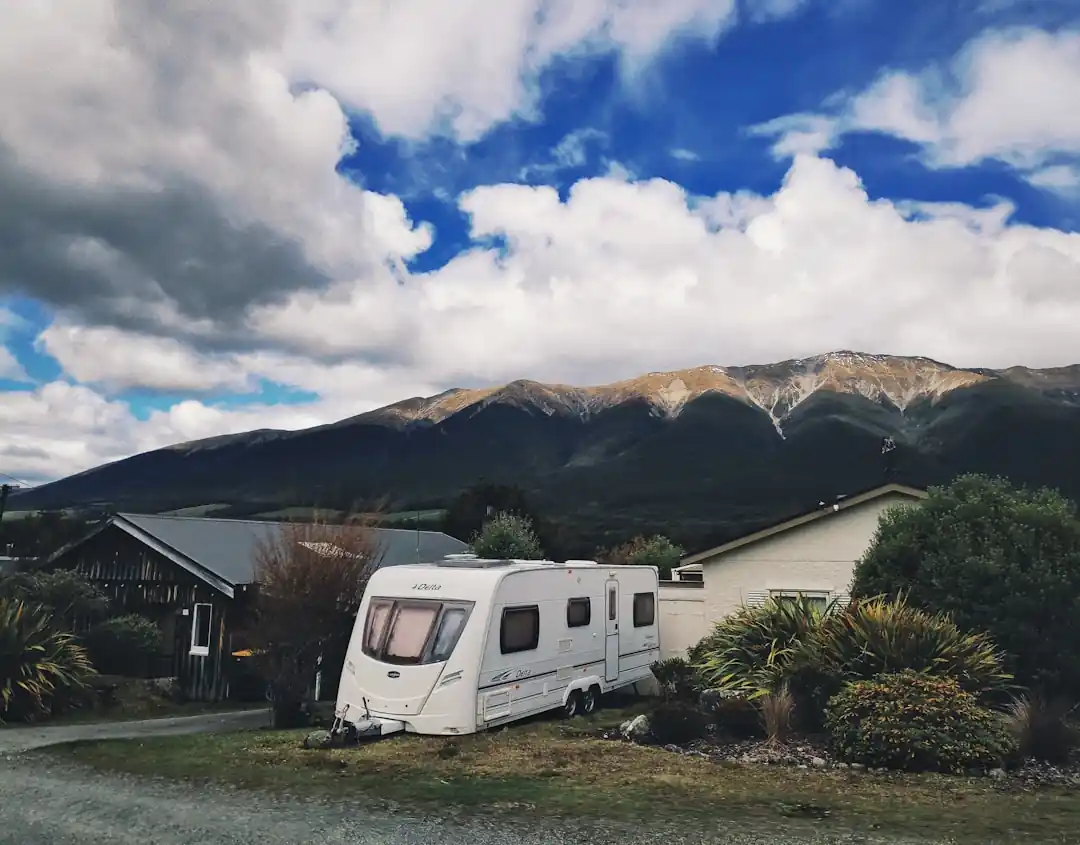
The Ultimate Guide to Renting a Campervan for Your New Zealand South Island Road Trip
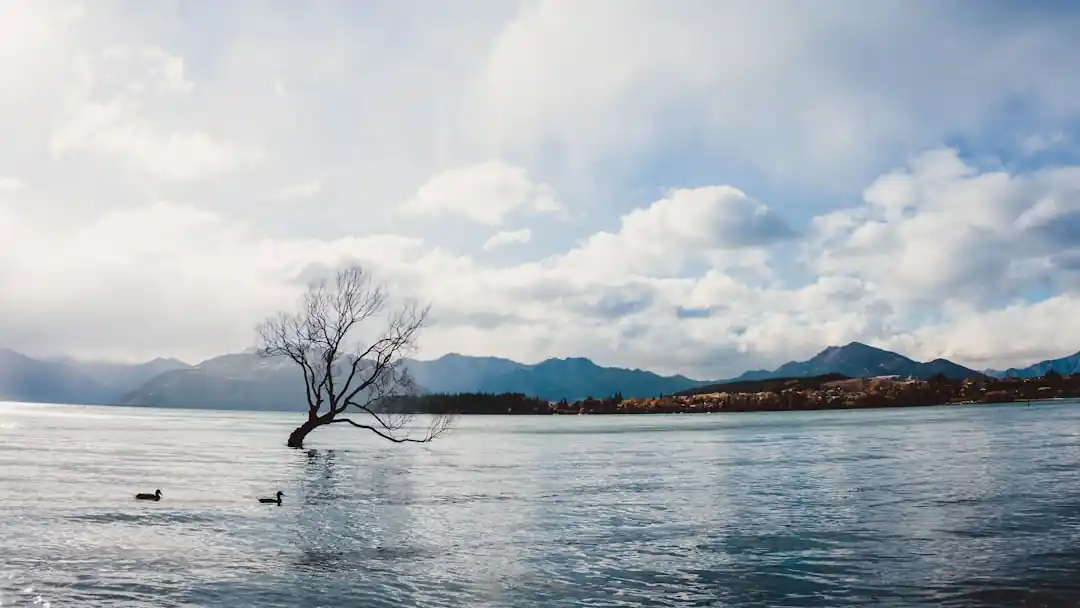
The Only Autumn Packing List You Need for New Zealand's Wild Weather
Related Posts
 TRANSPORT
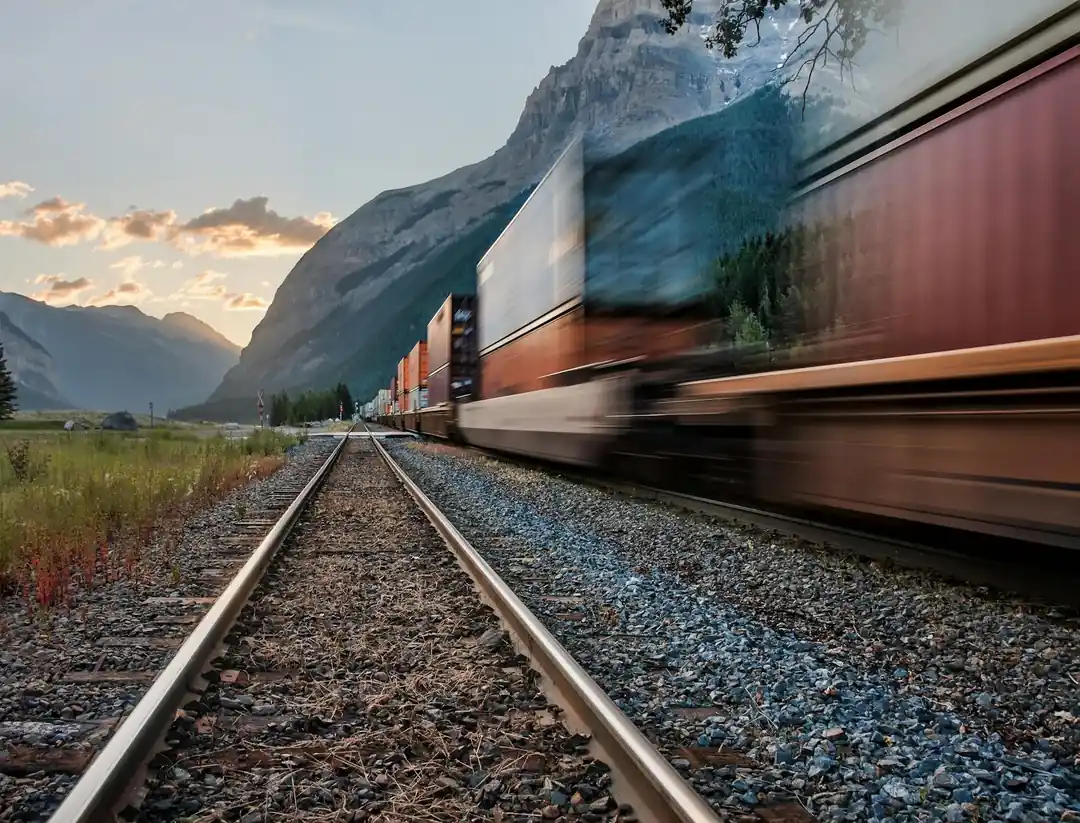
Beyond the Highway: Finding Canada's Soul on a Western Rail Adventure
Forget road trips. I'm talking about rediscovering the romance of travel on Via Rail's most scenic routes through the heart of the Canadian West. It’s an experience that changes you.
 TRAVEL TIPS
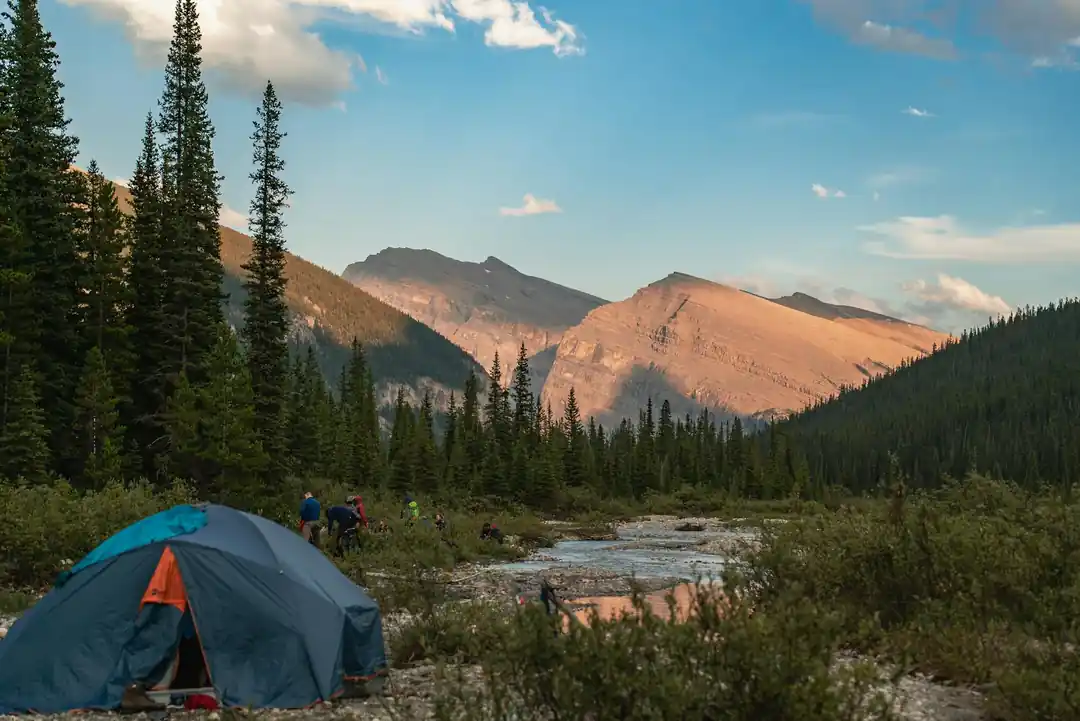
The Unwritten Rules of the North: What to Know Before Camping in Canada
Heading to the Great White North for a camping trip? It's an amazing idea. But from campfire etiquette to wildlife wisdom, here’s what you need to know before you go.

Popular Posts

Rethinking Non-Profit Promotion: Creative Strategies That Actually Drive Event Impact

Beyond Stark White: The Best Interior Paint Colors to Light Up Your New Space

How to Actually Master a New Language on Your Own (No Magic Gene Required)
