Crossing the Laredo-Nuevo Laredo Border: Your Essential Document Checklist
There's a unique thrill to a land border crossing, a feeling that you're truly connecting two worlds. But that excitement can quickly turn to stress if you're not prepared. Let's get your documents in order.
There’s a certain magic to a road trip that involves crossing a national border. It’s not like the sterile, detached experience of an airport; you’re on the ground, watching the landscape and the culture shift in real-time. The Laredo-Nuevo Laredo crossing is one of those vibrant, bustling gateways where two nations pulse with life, side-by-side. But with that energy comes a healthy dose of officialdom. I’ve had that moment of panic, digging through my glove compartment, wondering if I have the right piece of paper.
Honestly, the secret to a seamless border experience is understanding that it’s a two-part process. You have to be prepared for what Mexican officials require as you enter their country, and you have to be equally prepared for what U.S. Customs and Border Protection (CBP) will ask for on your way back. Thinking about it this way transforms the process from a single, intimidating hurdle into a manageable, two-step checklist.
So, let's walk through it together, coffee in hand, and make sure you have everything you need for a smooth and memorable journey south of the border.
The Absolute Essentials for U.S. Citizens
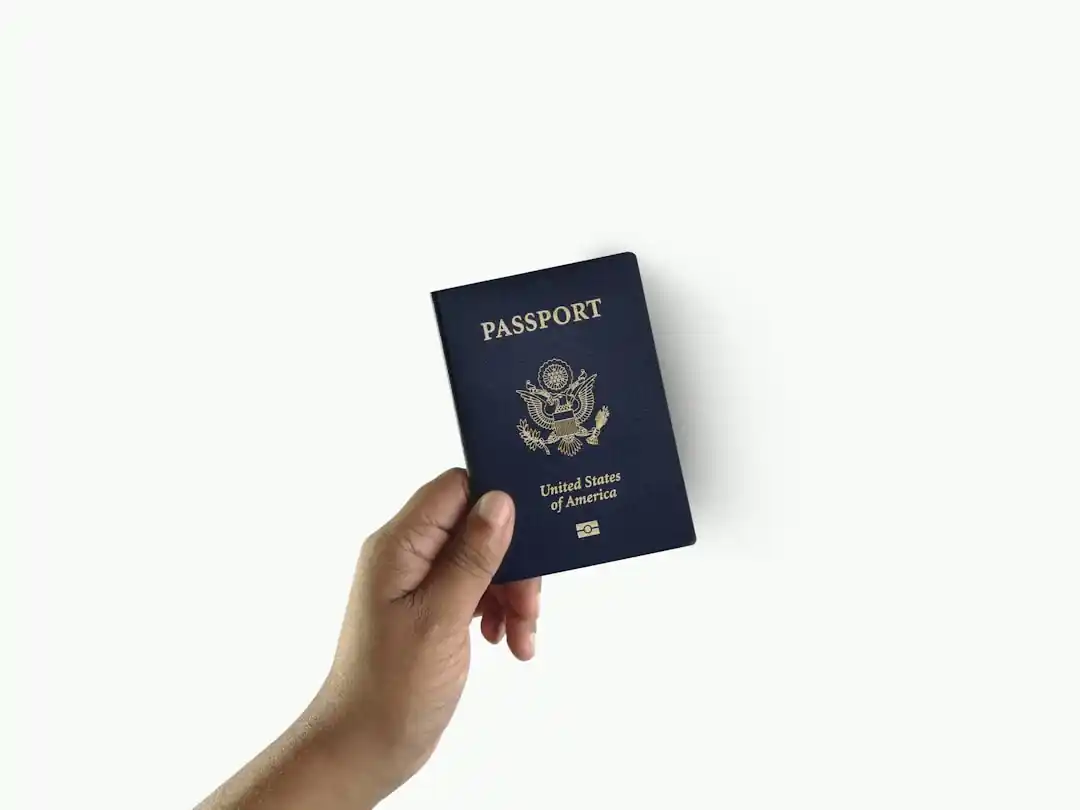
First things first, let's talk about personal identification. Gone are the days when a driver's license was enough to get you back and forth. To re-enter the United States by land from Mexico, you need a document that complies with the Western Hemisphere Travel Initiative (WHTI). For most of us, this means one of two things: a traditional U.S. Passport Book or a U.S. Passport Card.
The passport book is the one we all know—a blue booklet that’s your key to international air travel anywhere in the world. If there's any chance your trip might involve a flight, this is what you need. The passport card, on the other hand, is a more convenient, wallet-sized option designed specifically for land and sea travel to Mexico, Canada, the Caribbean, and Bermuda. It's cheaper and easier to carry, making it a fantastic option if you're a frequent road-tripper. Just remember its limitation: you can't use it for international flights.
For children under 16, the rules are a bit more relaxed. They can re-enter the U.S. with just an original or a copy of their birth certificate, a Consular Report of Birth Abroad, or a Naturalization Certificate. This definitely makes family travel a little less stressful.
Don't Forget Mexico's Tourist Card (FMM)
Here’s a step that many travelers, especially those just popping over for the day, can miss. When you enter Mexico, you are required to have a Forma Migratoria Múltiple, or FMM. Think of it as Mexico's official record of your visit. If your trip is for tourism and lasts less than 180 days, you need one.
While you can sometimes get this form at the border, the most reliable method is to fill it out online before you go. You can do this through the official website of Mexico's National Institute of Migration (INM). You’ll fill out the form, pay the fee (if applicable—it's often waived for stays of less than 7 days), and print it out. Getting this done in advance saves a ton of time and ensures you won’t run into any issues, especially at smaller crossings that may not have the staff to process them on the spot.
If you're only staying within the immediate border zone (usually about 20-30 kilometers) for less than 72 hours, you might be exempt from needing the FMM. However, rules can be fluid, and honestly, for the peace of mind it provides, taking a few minutes to fill it out online is always my recommended approach.
Driving Across? Your Vehicle Needs Papers, Too
Taking your own car into Mexico is an amazing way to explore, but it adds another layer to your document checklist. First, you'll obviously need your valid U.S. driver's license and your vehicle's current registration. Make sure the name on the registration matches the ID of the person driving.
The most critical piece of the puzzle, however, is Mexican auto insurance. Let me be perfectly clear: your U.S. auto insurance policy is not valid in Mexico. Not even a little bit. Driving without local Mexican liability insurance is illegal, and if you get into an accident, you could face serious legal trouble, including being detained until fault is determined and damages are paid. You can easily purchase a policy online for the exact duration of your trip from numerous reputable providers.
Finally, if you plan to drive beyond the border "Free Zone," you will need a Temporary Vehicle Importation Permit (TIP). This is essentially a promise that you will bring your car back to the U.S. You can get this permit online through the Banjercito website up to 60 days before your trip, or in person at the border. You'll pay a fee and a deposit, which is refunded when you cancel the permit upon leaving Mexico.
A Few Final Pro-Tips for a Smooth Trip
Beyond the official paperwork, a little preparation goes a long way. While many places in Nuevo Laredo accept US dollars, it's always wise to have some pesos on hand for smaller shops, street food vendors, or tolls. It shows respect for the local economy and often gets you a better price.
It's also important to be an informed traveler. Before you go, check the U.S. Department of State's website for any current travel advisories for the state of Tamaulipas. Being aware of your surroundings, sticking to well-traveled areas, and traveling during daylight hours are always smart practices. The CBP One app is another fantastic tool; you can check border wait times to help plan your return crossing when it's less busy.
Crossing the border at Laredo is a gateway to a different world, rich with culture, incredible food, and warm people. It’s an experience that feels a world away, yet it's right there at your doorstep. With the right documents in hand and a spirit of adventure, you’re ready to embrace it all. Have a wonderful, safe journey.

Building Your Golden Years Together: A Couple's Guide to Retirement Planning
The Unsung Heroes of Christmas Day: 10 Household Items You'll Forget You Need

Related Posts
 TRANSPORT
Beyond the Highway: Finding Canada's Soul on a Western Rail Adventure
Forget road trips. I'm talking about rediscovering the romance of travel on Via Rail's most scenic routes through the heart of the Canadian West. It’s an experience that changes you.
 TRAVEL TIPS
The Unwritten Rules of the North: What to Know Before Camping in Canada
Heading to the Great White North for a camping trip? It's an amazing idea. But from campfire etiquette to wildlife wisdom, here’s what you need to know before you go.

Popular Posts

Rethinking Non-Profit Promotion: Creative Strategies That Actually Drive Event Impact

Beyond Stark White: The Best Interior Paint Colors to Light Up Your New Space

The Simple Pre-Workout Fueling Strategy That Saved My Long Runs