Tired of your backhand being a liability? It's time to transform that defensive chip into a point-ending weapon. Let's dive into the mechanics of true power.
There’s a conversation that happens on the tennis court, a silent dialogue between you and your opponent. Your forehand might shout, but what does your backhand say? For years, mine mostly just mumbled. It was a shot built for survival, a defensive chip designed to do little more than extend the rally and hope for a mistake. I’d watch players effortlessly whip backhands down the line for winners, and honestly, it felt like they knew a secret I didn’t.
The quest for a powerful backhand can feel frustrating. You try to swing harder, muscle the ball, and more often than not, it just sails long or dumps into the bottom of the net. It’s a common struggle that can make you feel one-dimensional, forcing you to run around your backhand to hit a forehand, leaving huge parts of the court exposed. I spent countless hours convinced that I just wasn't strong enough, but the real breakthrough had nothing to do with brute force.
True power, I learned, isn't about muscling the ball. It’s about grace, timing, and physics. It’s about understanding that your arm is just the final link in a chain of events that starts from the ground the moment you recognize the ball is coming to your backhand side. This isn't about becoming a different player overnight; it's about making a series of small, intentional adjustments that unlock the power that’s already there, waiting to be channeled.
The Foundation: It All Starts Before the Swing
Before we even talk about hitting the ball, we have to talk about what happens in the split seconds before. Power isn't born in the swing itself; it's conceived in the preparation. A rushed, poorly prepared backhand is a weak backhand, full stop. The first and most critical step is the unit turn. The moment you identify the ball is coming to your backhand, your feet, hips, and shoulders must turn together as a single, cohesive unit.
This isn't just about getting your body sideways to the net. This coiling motion is where you begin to store potential energy. Think of it like twisting a rubber band. The more you coil your upper body against your stable lower body, the more rotational force you have to unleash into the ball. A common mistake club players make is turning with just their arms or shoulders, leaving their hips facing the net. This completely disconnects the lower body—your primary power source—from the shot.
Your grip is the next piece of this foundational puzzle. For a two-handed backhand, most players find success with the dominant hand in a Continental grip (like you're holding a hammer) and the non-dominant hand in an Eastern forehand grip. This setup allows your non-dominant side to act as the primary power-hitter while the dominant hand provides stability and feel. For the elegant one-hander, an Eastern or Semi-Western backhand grip is standard, as it helps create a natural low-to-high swing path for topspin. Don't be afraid to experiment, but once you find a grip that feels right, stick with it to build consistency.
The Kinetic Chain: Power from the Ground Up
If you watch the pros, their power seems effortless. That’s because they’ve mastered the kinetic chain—the sequence of movements that transfers energy from the ground, through the body, and into the racket. Relying on just your arm to generate pace is like trying to power a car with a lawnmower engine. It’s inefficient and a quick recipe for injury.
The power sequence starts with your legs. As you prepare to swing, you should be loading your weight onto your back leg. As you initiate the forward swing, you drive off that leg, transferring your weight forward into the shot. This leg drive is the initial engine of your power. It pushes energy up into your hips, which should begin to uncoil explosively toward the target. This hip rotation is arguably the single most important element for generating massive power.
From the hips, the energy flows up through your core and into your torso and shoulders, which continue the rotation. Your arm and racket are the last part of this chain. They should feel more like the tip of a whip—relaxed but moving with incredible speed generated by the uncoiling of your body. If your arm is tense and trying to "muscle" the ball, it acts as a brake, slowing down the racket head speed you worked so hard to create with your body. The feeling you're chasing is one of your body rotating and pulling the racket through the hitting zone, not your arm pushing it.
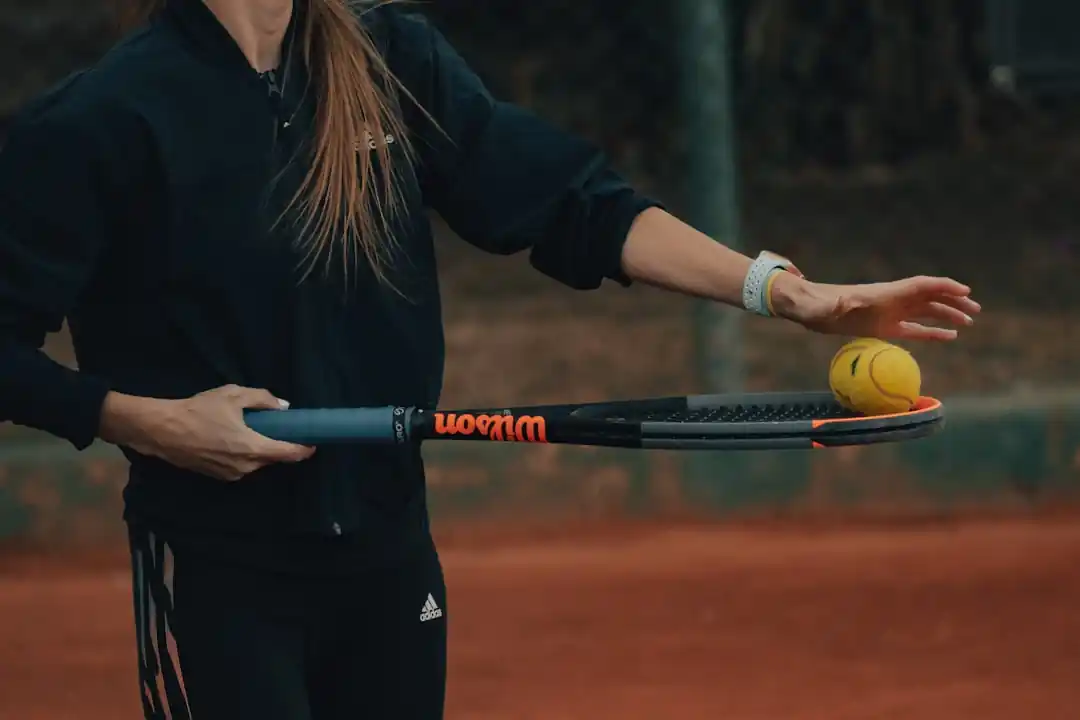
Contact and Extension: The Moment of Truth
You can do everything right with your preparation and body rotation, but it can all fall apart if your contact point is off. The ideal contact point for a power backhand is out in front of your body. Hitting the ball late (when it's alongside or behind you) forces you to use a weak, flicking motion and completely robs you of the ability to transfer your body weight into the shot.
As you swing to meet the ball, focus on extending your arms through the contact point toward your target. This concept of "hitting through the ball" is crucial. Instead of thinking about the swing ending at the ball, visualize the racket continuing on its path for another foot or two after contact. This ensures you're accelerating through the shot and not decelerating at the critical moment of impact. For a two-handed backhand, both arms should extend fully, creating a powerful, stable structure.
Finally, don't forget the follow-through. It's not just for style; it's a natural and necessary part of the swing that helps you decelerate your body safely and ensures you've committed fully to the shot. A full follow-through, with the racket finishing up over your shoulder, is a sign that you’ve maintained your racket head speed and transferred all your energy into the ball. Cutting your follow-through short is like slamming on the brakes just before the finish line.
The journey to a better backhand is a process of refinement. It’s about feeling the connection between your feet on the ground and the ball exploding off your strings. It’s about trusting the mechanics and letting go of the instinct to muscle the ball with your arm. Start slow, focus on the sequence, and be patient with yourself. Soon enough, your backhand will start speaking a new language on the court—one of confidence, authority, and effortless power.

That 'Polar Vortex' You Heard About? Here's How It Freezes Your Flight Plans
It’s More Than a Drill: Why 'Drop, Cover, and Hold On' Is Your Best Move in an Earthquake

Related Posts
 HOBBIES
The Beginner's Guide to Reading the Night Sky: How to Spot Your First Constellations
A friendly, grounded guide to navigating the night sky, understanding stellar movements, and spotting iconic constellations without expensive gear.
 PETS
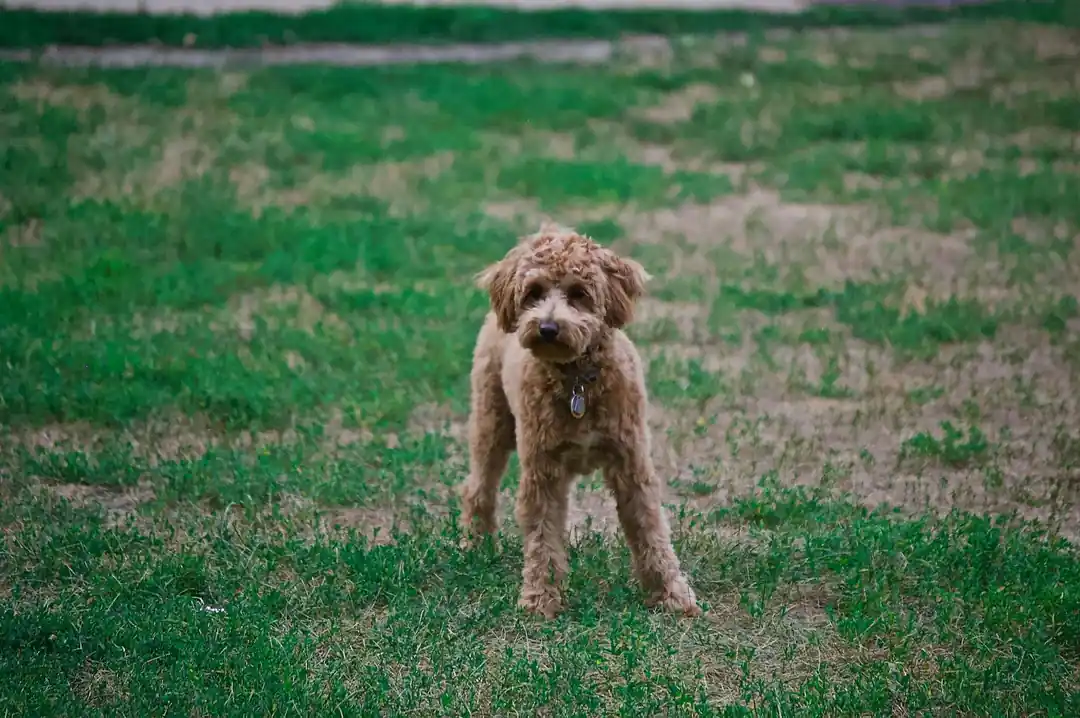
PETSSniffle-Free Snuggles: America's Most-Loved Hypoallergenic Dogs
Dreaming of a furry friend but dreading the sneezes? You're not alone. Let's dive into the wonderful world of popular hypoallergenic dog breeds in the US.
Popular Posts

Rethinking Non-Profit Promotion: Creative Strategies That Actually Drive Event Impact

Beyond Stark White: The Best Interior Paint Colors to Light Up Your New Space

How to Actually Master a New Language on Your Own (No Magic Gene Required)
