Beyond the Castle: A Guide to Czech Etiquette for the Curious Traveler
Planning a trip to the heart of Europe? Understanding a few local customs can transform your visit to the Czech Republic from a simple holiday into a truly meaningful connection.
There’s a certain magic to the Czech Republic. You feel it the moment you step onto the cobblestone streets of Prague, a city that seems to have been plucked straight from a fairytale. But beyond the stunning architecture and the rich, complex history, there's a subtle, deeply ingrained culture that can sometimes feel a little mysterious to an American visitor. Honestly, I think that’s part of its charm. It’s a country that doesn’t reveal all its secrets at once.
I’ll be the first to admit, on my initial trip, I was operating on the standard American frequency: big smiles, loud greetings, and a general assumption that friendliness looks the same everywhere. I quickly realized that the Czech way is a bit different—not cold, but more reserved, valuing a quiet respect and a sincerity that builds over time. Learning to navigate this social landscape was a game-changer. It allowed me to connect with people on a more genuine level and appreciate the culture beyond just its surface beauty.
So, if you’re heading to this incredible corner of the world, let’s talk about a few things that can help you feel less like a tourist and more like a welcome guest.
Greetings and First Impressions
In the US, we're often quick to jump to a casual "hey" and a first-name basis. In the Czech Republic, however, social interactions begin with a touch more formality, which is actually a beautiful sign of respect. When meeting someone for the first time, especially if they are older than you, a firm handshake with direct eye contact is the gold standard. It’s confident and shows you’re engaged. Your go-to verbal greeting should be "Dobrý den" (Good day). It’s the universal polite greeting that works in almost any situation.
You might notice that Czechs tend to be more private and reserved upon first meeting. They value personal space, so it’s best to avoid overly familiar gestures like back-pats or touching someone's arm. This isn't aloofness; it's a cultural boundary that signifies respect for the individual. As you get to know someone, the relationship will naturally warm up, and you might be invited to use the more informal "Ahoj" (hello/goodbye), which is reserved for friends and family. Also, a quick note on names: always use titles like Pan (Mr.) and Paní (Mrs.) with a person's last name until you're invited to use their first name.
Punctuality is another cornerstone of Czech culture. Whether you have a dinner reservation, a guided tour, or a meeting with a new friend, make every effort to be on time. Being late is often seen as disrespectful, implying that you don't value the other person's time. It’s a small thing that makes a big difference in how you’re perceived.
The Art of Dining and Drinking
Czech food is a hearty, soulful experience, and sharing a meal is a cherished social ritual. When you sit down at a restaurant, there are a few customs to keep in mind. First, it’s polite to wait for everyone at the table to be served before you begin eating. A quiet "Dobrou chuť" (enjoy your meal) spoken to the table before starting is a warm and appreciated gesture. You'll notice that table manners are a bit more formal; the fork generally stays in the left hand and the knife in the right.
Toasting is an integral part of any meal that involves a good Czech beer or a glass of wine. When someone proposes a toast, the ritual is to make eye contact with each person at the table as you clink glasses, saying "Na zdraví!" (To your health!). It’s considered impolite to break eye contact, so take a moment to genuinely connect with each person. It’s a powerful little moment of shared experience.
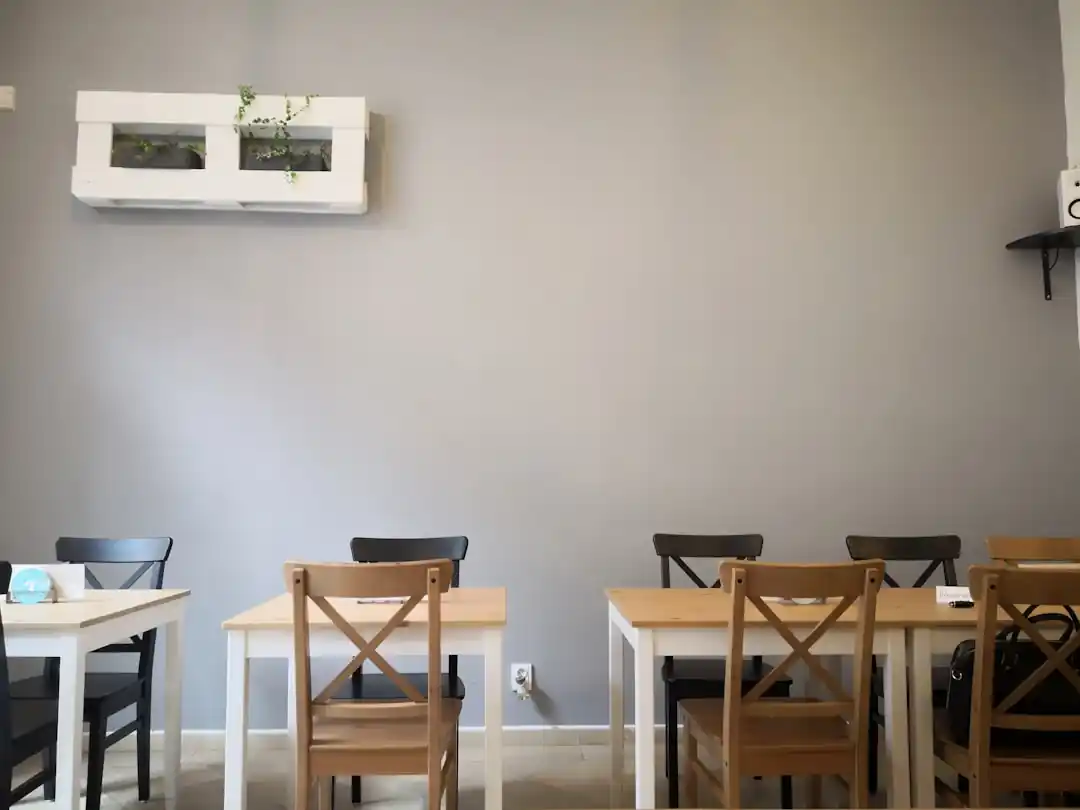
When it comes to paying the bill, tipping is customary but more modest than in the US. A tip of 10-15% is considered generous for good service. The process is also different. Instead of leaving cash on the table, you inform the server of the total amount you want to pay when they bring the bill. For example, if the bill is 450 CZK, you can simply say "500" and they will process the payment for that amount, understanding that the difference is the tip.
Navigating Public Life and Social Sensitivities
One of the things I love about Czech cities is the sense of public order and cleanliness. People are generally quiet and considerate in shared spaces. On public transport like trams and metros, conversations are kept at a low volume. It’s also a common and expected courtesy to give up your seat to the elderly, pregnant women, or people with disabilities. When using escalators, the rule is to stand on the right to allow others to walk on the left.
If you are invited into someone's home, it's a true sign of friendship. Always, always remove your shoes upon entering unless your host explicitly tells you not to. This is a universal sign of respect for their home. Bringing a small gift is a thoughtful touch—a bottle of good wine, a box of quality chocolates, or flowers for the hostess are all excellent choices. (Just a small tip: if you bring flowers, it's traditional to give an odd number, unless it's a dozen).
Finally, a couple of notes on conversation. It’s wise to avoid bringing up the country's communist past, as it can be a painful and complex topic for many. Also, be mindful of geography. Czechs identify as being in Central Europe, not Eastern Europe, and lumping them into the latter category can be a point of irritation. It’s a reflection of their unique history and cultural identity. Stick to lighter topics like travel, hobbies, and sports, and you’ll find that Czechs, though initially reserved, are wonderfully engaging and have a fantastic, often dry, sense of humor.
Traveling with cultural awareness doesn't mean you have to be perfect. It's simply about showing that you care enough to try. A little effort to respect local customs opens doors, softens hearts, and turns a simple vacation into a rich, unforgettable human experience.
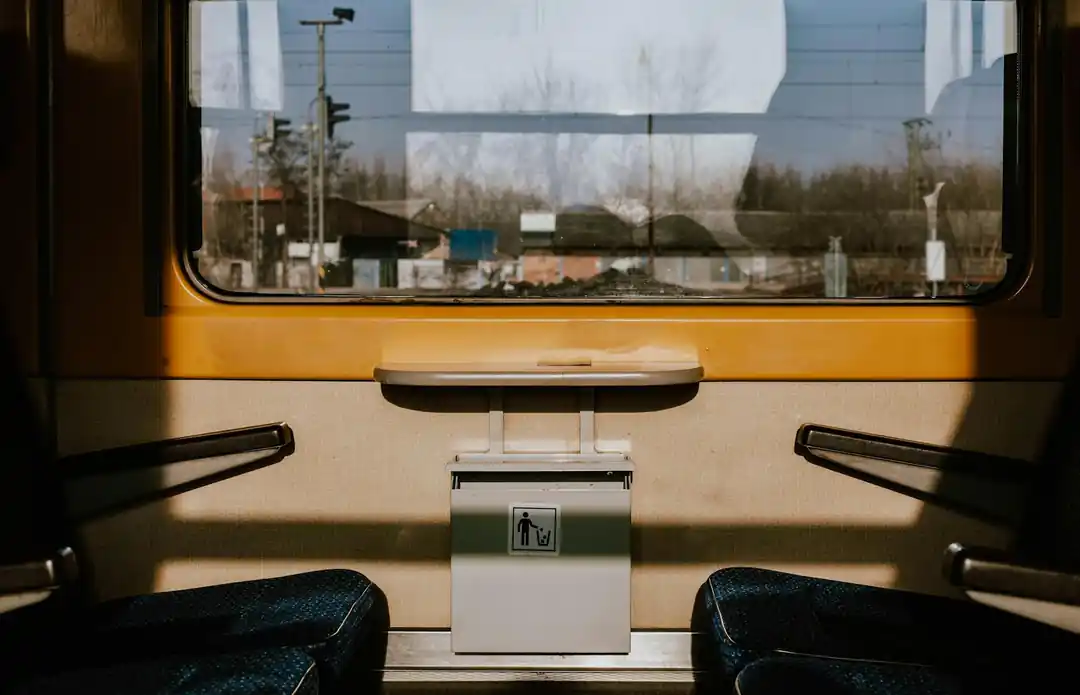
Skip the Car: Why the Czech Train System is Your Best Friend for City-Hopping
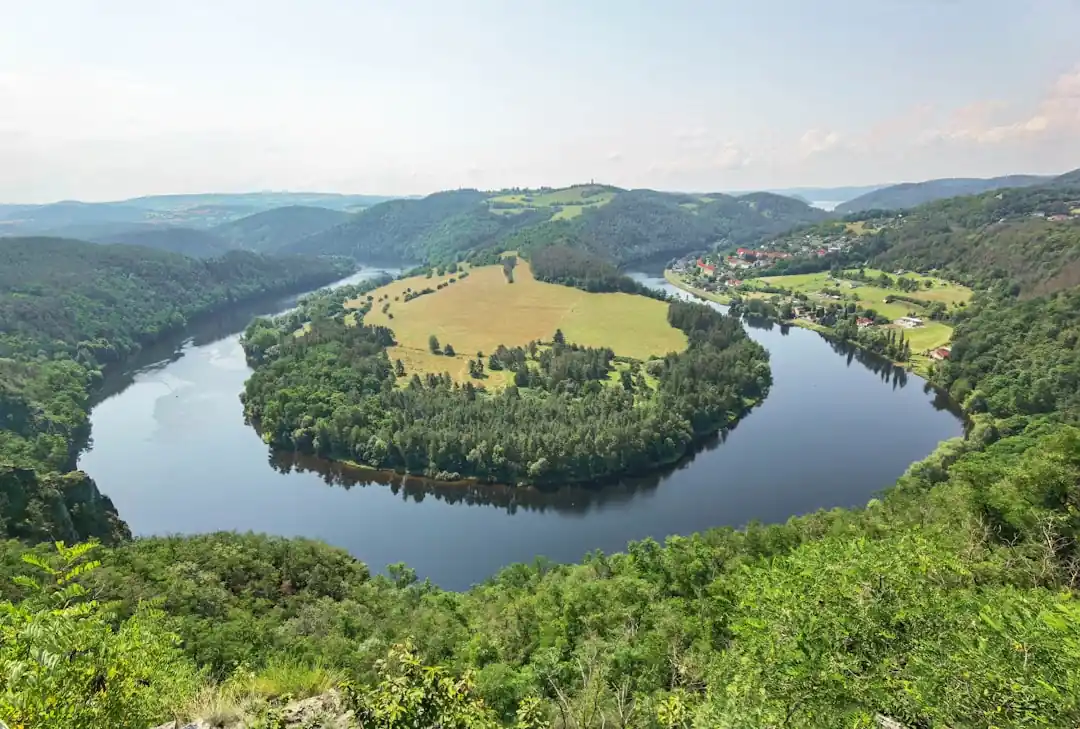
Unlocking Czechia's Outdoors: Your Seasonal Guide to Adventure
Related Posts
 TRANSPORT
Beyond the Highway: Finding Canada's Soul on a Western Rail Adventure
Forget road trips. I'm talking about rediscovering the romance of travel on Via Rail's most scenic routes through the heart of the Canadian West. It’s an experience that changes you.
 TRAVEL TIPS
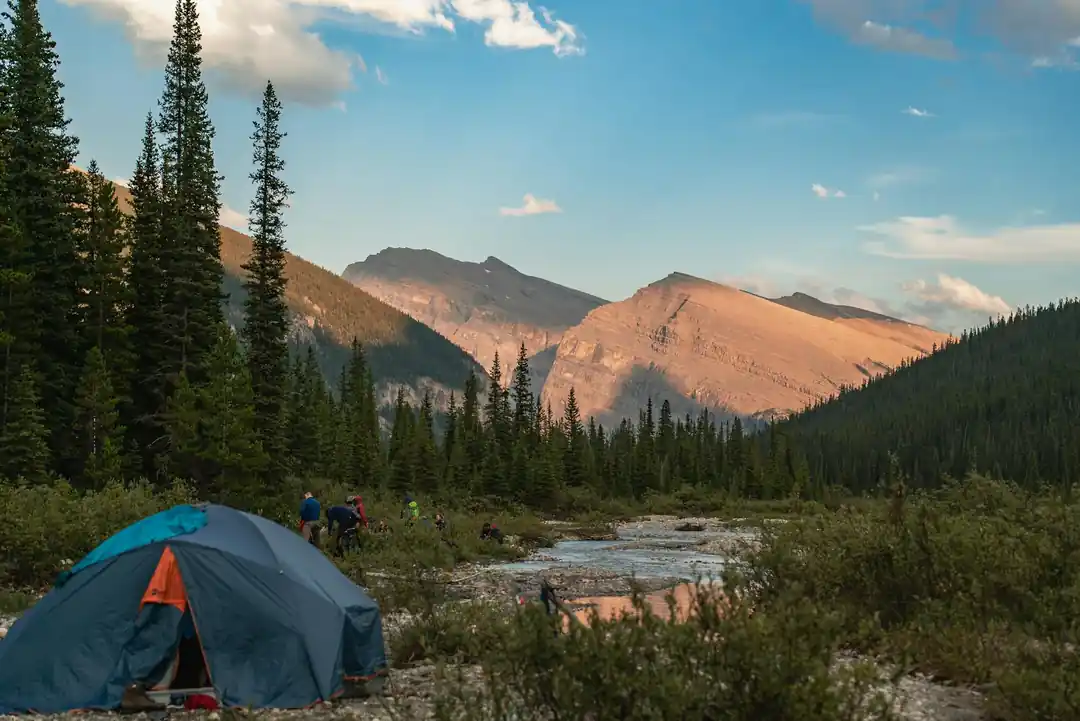
The Unwritten Rules of the North: What to Know Before Camping in Canada
Heading to the Great White North for a camping trip? It's an amazing idea. But from campfire etiquette to wildlife wisdom, here’s what you need to know before you go.
Popular Posts

Rethinking Non-Profit Promotion: Creative Strategies That Actually Drive Event Impact
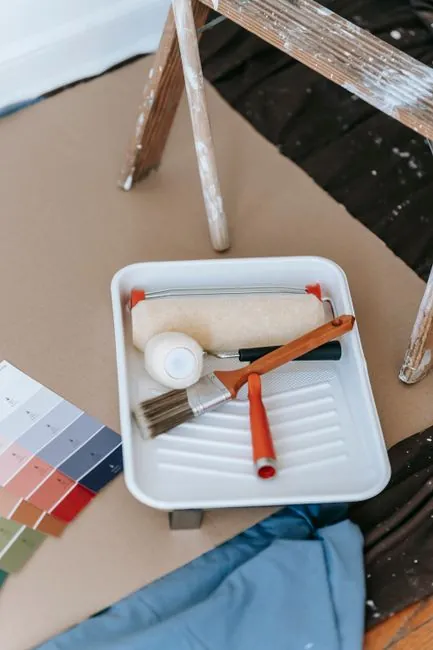
Beyond Stark White: The Best Interior Paint Colors to Light Up Your New Space

How to Actually Master a New Language on Your Own (No Magic Gene Required)