Thinking of launching your own spirits brand? It’s a romantic notion, but the financial reality can be sobering. Here’s a realistic look at the costs of starting a small distillery in the US.
There’s a certain romance to the idea of starting your own distillery, isn't there? The scent of fermenting grains, the warm glow of a copper pot still, the quiet satisfaction of aging your own whiskey. It’s a dream that combines artistry, science, and a touch of rebellion. I get it. The allure of creating a tangible product that people can share and enjoy is incredibly powerful. It’s a legacy in a bottle.
But let’s have a real conversation, just between us. Behind that beautiful vision is a mountain of spreadsheets, a maze of regulations, and a series of very, very large checks to write. Honestly, the financial planning aspect is often the single biggest hurdle that trips up passionate would-be distillers. It’s not just about having a great recipe; it’s about building a resilient business that can weather the long, slow process of turning grain into gold.
Before you pour your life savings into this dream, it’s crucial to have a sober, clear-eyed view of the financial journey ahead. This isn't meant to scare you off, but to prepare you. Because a well-funded, meticulously planned distillery is one that actually survives to see its spirits celebrated. Let's break down the real costs and considerations of turning your craft spirit dream into a viable business in the United States.
The Sobering Reality of Startup Costs
First things first: starting a distillery is a capital-intensive venture. While you might hear stories of shoestring startups, a realistic budget for a small craft distillery in the US typically falls somewhere between $500,000 and $2 million. That’s a staggering number, and it’s important to understand where it all goes. This isn't just about buying a still; it's about building an entire production facility from the ground up.
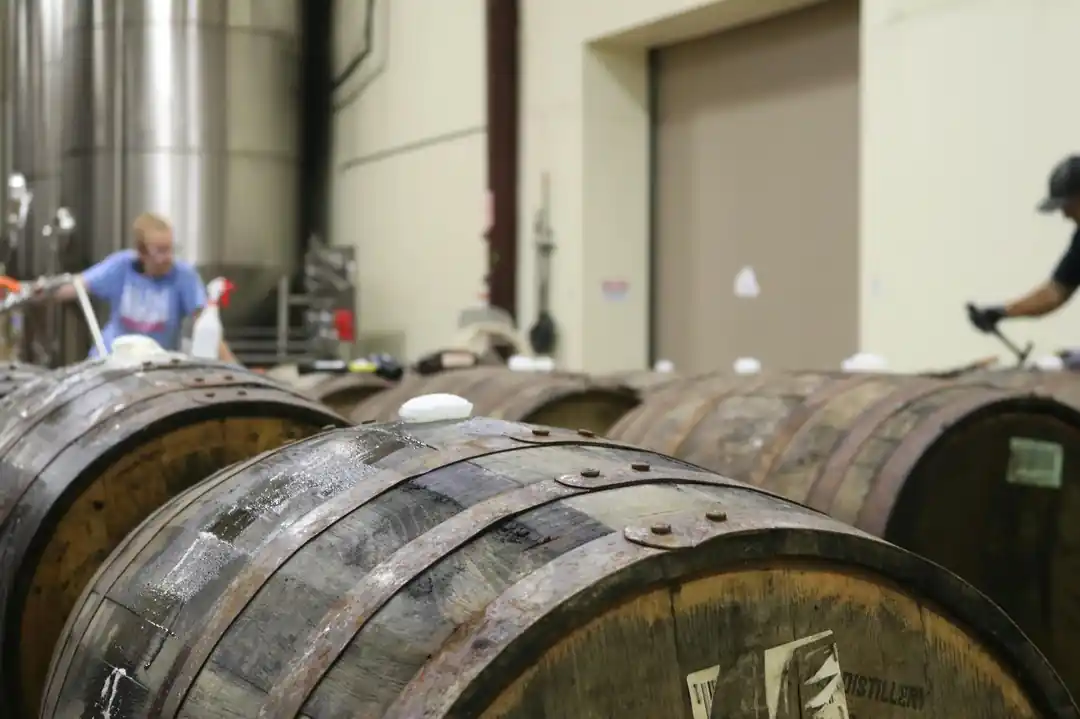
The heart of your operation will be the equipment. A good quality still, mash tun, and fermenters are non-negotiable, and this package alone can easily run from $150,000 to over $500,000. The size and complexity you choose will depend on your production goals. Are you starting with un-aged spirits like gin and vodka, which generate revenue more quickly? Or are you committing to the long game of whiskey, which requires years of aging (and tying up capital) before you can sell a single bottle?
Then there's the physical space. You'll need an industrial-zoned location that can accommodate the unique plumbing, ventilation, and safety requirements of a distillery. The build-out for such a space can be one of the largest line items in your budget. And if you want a tasting room—which is almost essential for building a brand and capturing higher-margin direct-to-consumer sales—you’ll need to budget for construction, furnishings, and creating an inviting atmosphere. This alone can add another $50,000 to $250,000 to the bill.
Crafting Your Financial Blueprint: The Business Plan
Your business plan is more than just a document for potential lenders; it's your North Star. This is where you prove to yourself, and to others, that your dream is not just a passion project but a viable commercial enterprise. A huge part of this plan is the financial projections. You'll need to create detailed forecasts for at least the first three to five years, including projected income statements, cash flow statements, and a balance sheet.
This process forces you to think critically about every aspect of the business. How many cases do you realistically expect to sell in year one? What will be your price per bottle, both wholesale and direct-to-consumer? What are your fixed costs (rent, salaries, insurance) and your variable costs (grain, bottles, labels)? I’ve read that many new distilleries underestimate their cost of goods sold (COGS), forgetting to factor in every single input, from the yeast to the bottle caps.
Cash flow is king, especially in a business where your product might need to sit in a barrel for several years. Your cash flow projections will highlight the periods where you’ll be burning through money without any revenue coming in. This is your working capital requirement—the funds you need to keep the lights on while you wait for your spirits to mature. Many experts suggest having at least 12 to 18 months of operating expenses in the bank before you even open your doors. It’s a daunting thought, but running out of cash is one of the fastest ways for a new distillery to fail.
Sourcing Your Capital: Funding the Dream
So, where does half a million dollars (or more) come from? For most entrepreneurs, it’s a patchwork of different sources. Unless you’re independently wealthy, you’ll likely be exploring a combination of personal savings, loans, and investors. It’s a journey that requires persistence and a compelling story.
Traditional bank loans can be tough to secure for a startup in a niche industry, but it’s not impossible. A strong business plan and some form of collateral can open doors. Many aspiring distillers turn to the Small Business Administration (SBA). SBA-guaranteed loans, like the popular 7(a) program, can offer more favorable terms and lower down-payment requirements, making them an attractive option for funding everything from equipment to working capital.
Another route is bringing on investors. This could mean friends and family who believe in your vision, or it could mean seeking out angel investors who are specifically interested in the craft beverage space. The trade-off, of course, is giving up a percentage of ownership in your company. You have to decide if the capital infusion is worth diluting your equity. Crowdfunding has also emerged as a viable option, allowing you to raise smaller amounts of money from a larger group of people, often in exchange for rewards like early access to products or exclusive merchandise.
The Long Game: Patience, Profitability, and Paying Yourself
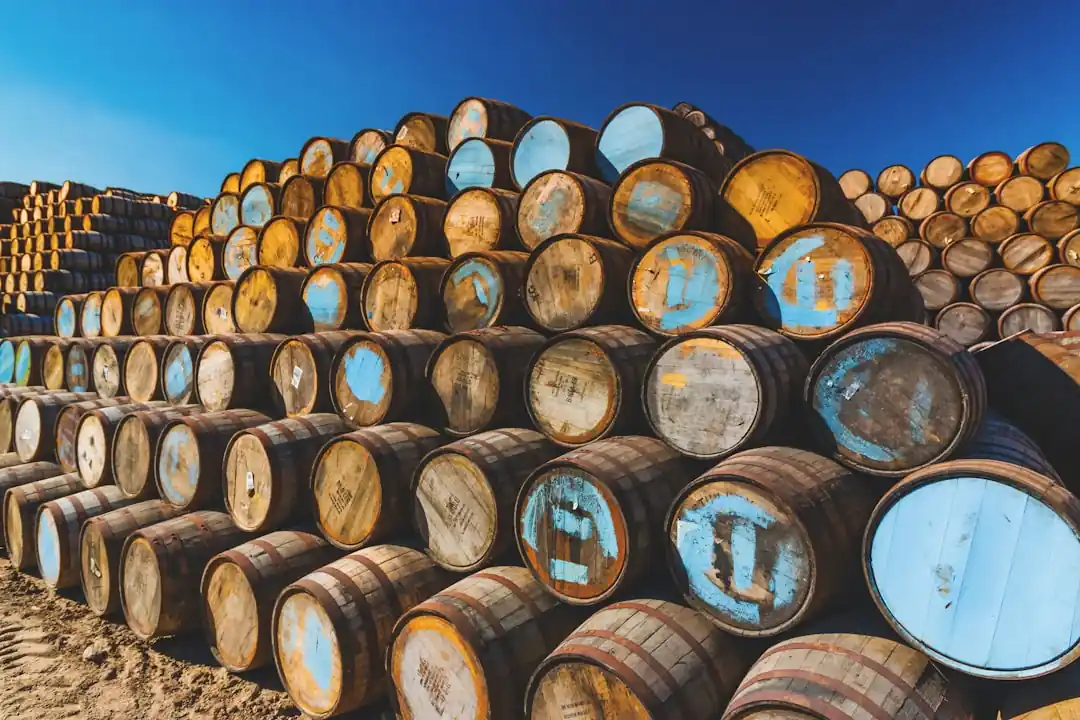
The path to profitability in the distilling business is a marathon, not a sprint. For spirits like gin and vodka, you can begin generating revenue relatively quickly. But for whiskey, you are making a significant upfront investment in raw materials and barrels that won't pay off for years. This is the patient capital that defines the industry. You have to be financially and emotionally prepared to wait.
Your pricing strategy will be critical. You need to cover your high production costs, but you also need to be competitive in a crowded market. This is where your brand story and the quality of your product become paramount. People are willing to pay a premium for authentic, well-crafted spirits with a compelling story behind them. Your tasting room is your best tool for this, allowing you to sell at full retail price and build a loyal customer base one glass at a time.
Finally, let's talk about paying yourself. In the early years, it’s likely that every dollar of profit will be reinvested back into the business—buying more barrels, increasing production, or hiring staff. Your financial plan should include a realistic salary for yourself, but be prepared for that to be a goal you work towards rather than a day-one reality. The ultimate reward is building a successful, sustainable business that not only supports you but also becomes a cherished part of your community. It’s a long, challenging road, but for those who plan diligently, the destination is well worth the journey.

From Passion Project to Paycheck: Securing Funds for Your Craft Beverage Dream
Liquid Gold or Money Pit? How to Evaluate a Whiskey Distillery Investment
Related Posts
 BUSINESS
Rethinking Non-Profit Promotion: Creative Strategies That Actually Drive Event Impact
Discover modern, research-backed strategies for promoting non-profit fundraisers, from experiential marketing to hyper-local micro-influencers and cross-sector partnerships.
 BUSINESS
Is the TV Ad Dead? A Deep Dive into Cost and Effectiveness in 2024
In an age of streaming and scrolling, is a TV commercial still a smart bet for brands? We're breaking down the real costs and surprising effectiveness of television advertising today.
Popular Posts
Rethinking Non-Profit Promotion: Creative Strategies That Actually Drive Event Impact

Beyond Stark White: The Best Interior Paint Colors to Light Up Your New Space

How to Actually Master a New Language on Your Own (No Magic Gene Required)
