Learning the Lost Language: An Effective Beginner's Guide to Morse Code
Ever thought about learning Morse code? It's more than just a historical curiosity. Here’s a realistic guide to learning this timeless skill in the modern age.
There’s something undeniably romantic about Morse code, isn't there? The rhythmic pulse of dits and dahs feels like a secret language from a bygone era, a skill belonging to spies, ship captains, and old-timey radio operators. For years, I filed it under "fascinating but impractical," like learning to build a ship in a bottle. But recently, I found myself drawn to the idea. In a world of constant digital noise, the simplicity of Morse felt like a quiet rebellion. What would it take, I wondered, for a complete beginner to actually learn it?
The initial dive was, honestly, a little intimidating. My first instinct was to pull up a chart—A is dot-dash, B is dash-dot-dot-dot—and try to memorize it. I can tell you from experience, this is a terrible idea. It’s slow, frustrating, and completely misses the point. The real breakthrough came when I started reading about how seasoned operators actually learn. They don't see dots and dashes; they hear a rhythm. The goal isn't to translate, but to develop an instant, reflexive recognition of the sound of each letter.
This shift in perspective is everything. Learning Morse code is less like studying a subject and more like learning a musical instrument. It’s about training your ear and building muscle memory in your brain. The most effective modern methods, like the Koch and Farnsworth methods, are built entirely around this principle. They bypass the visual-memorization trap and get you straight to thinking in sound. And thanks to some fantastic modern apps and websites, it's more accessible than ever.
Why Even Bother With Dots and Dashes Today?
It’s a fair question. In an age of instant messaging and video calls, why invest time in a 19th-century communication method? The answer, I’ve discovered, is surprisingly multifaceted. For one, it’s a cornerstone of the amateur radio (or "ham radio") community. For many operators, "CW" (Continuous Wave, the term for Morse code transmission) is the preferred mode of communication. It can cut through noise and interference that would render voice communication impossible, making it incredibly reliable, especially with low-power equipment.
Beyond that, it’s a phenomenal survival skill. Morse code requires minimal equipment—you can send it with a flashlight, a mirror, or by tapping on a pipe. It’s a universal, low-tech way to signal for help or convey information when all else fails. There's a reason it has remained a part of military and aviation training for so long. It’s robust, efficient, and doesn’t rely on a complex digital infrastructure.
But for me, the biggest draw is the mental exercise. Learning Morse code is a fantastic workout for your brain. It forces you to focus, to recognize patterns, and to develop a new kind of auditory processing. In a way, it’s a form of digital detox. You’re stepping away from the screen and engaging with a raw, fundamental form of communication. It’s challenging, deeply rewarding, and, let's be honest, a pretty cool party trick.
Your Beginner's Toolkit: Methods and Apps
So, you’re ready to start. Where do you begin? First, forget the visual charts. The two most respected learning methods are the Koch method and the Farnsworth method. The Koch method, developed in the 1930s, involves learning characters at your target speed (say, 20 words per minute) from day one. You start with just two letters. Once you can copy them with 90% accuracy, you add a third, and so on. This forces your brain to recognize the sound of the letter, not count the dits and dahs.
The Farnsworth method takes a slightly different approach. It sends the individual characters at a high speed, but artificially lengthens the space between the characters and words. This gives you time to process what you’ve heard without learning the letters at a slow, plodding pace that you’ll just have to un-learn later. Most of the best modern tools use a hybrid of these two methods.
For on-the-go practice, an app is your best friend. Morse Mania is a fantastic choice for both iOS and Android. It gamifies the learning process, using the Koch method to introduce new letters as you achieve proficiency. It’s fun, addictive, and genuinely effective. Another excellent resource is the website LCWO.net (Learn CW Online). It’s a no-frills, powerful tool that offers Koch method lessons, code group practice, and the ability to generate practice files. It’s a serious platform for anyone committed to learning.
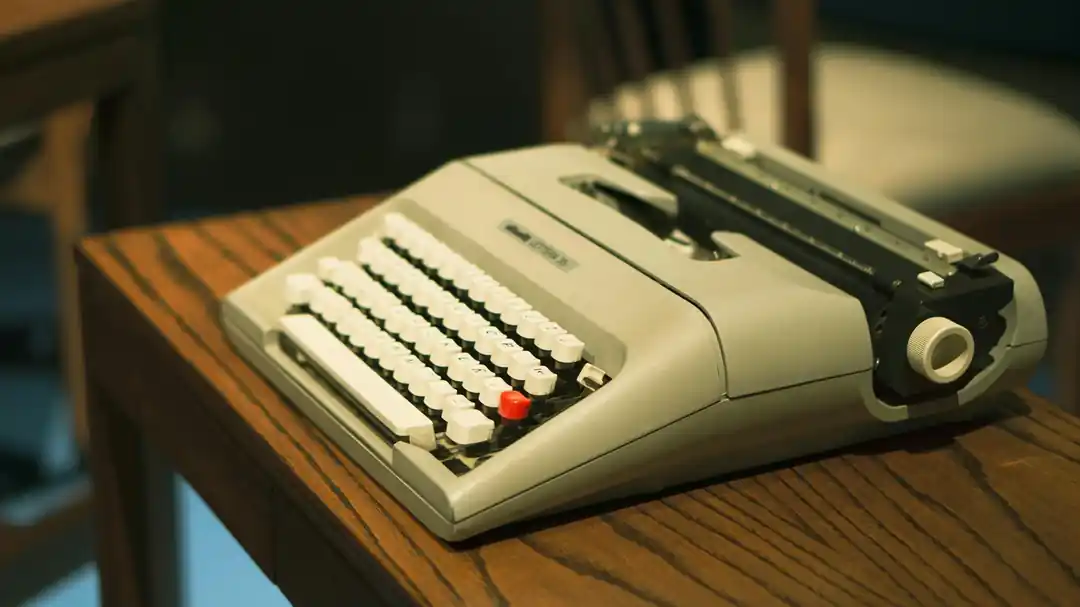
My First Week: From Frustration to Fluency
My first few days were a mix of excitement and humbling reality. I used an app that followed the Koch method. The first two letters, 'K' (-.-) and 'M' (--), came at me fast. At first, it was just a jumble of beeps. My brain desperately tried to count, to apply the visual chart I had foolishly looked at. But the speed made it impossible. Slowly, grudgingly, I was forced to just... listen.
By day three, something clicked. I wasn't thinking "dash-dot-dash" anymore. I just heard a sound, and my brain said "K." It was a small but profound victory. Adding the third letter, 'R' (.-.), felt like a step back, but the pattern repeated. Frustration, confusion, and then, suddenly, recognition. The process was teaching me to be patient and to trust my brain's ability to adapt.
The most important lesson was consistency. Practicing for just 15-20 minutes, twice a day, proved far more effective than one long, grueling session. It’s about building a habit and allowing the patterns to sink in, even when you’re not actively practicing. By the end of the week, I could recognize a handful of letters without conscious thought. It was a long way from fluency, but it was the first real proof that this "lost language" was something I could actually learn.
The journey is far from over, but the path is clear. It’s a process of listening, of patience, and of celebrating the small victories. It’s a connection to a rich history and a vibrant community of enthusiasts who keep this beautiful, rhythmic language alive. If you’ve ever felt the slightest curiosity, I encourage you to give it a try. You might just be surprised at what you can achieve.

Unlocking the Rhythm: Daily Exercises to Master Morse Code Speed
Thinking of Visiting Senegal? Here's the Visa Scoop for US Citizens

Related Posts
 LANGUAGES
How to Actually Master a New Language on Your Own (No Magic Gene Required)
Discover research-backed self-study strategies to break through fluency plateaus, build real confidence, and learn a new language on your own terms.
 STUDY TIPS
Your Unshakeable Foundation: Understanding the Most Important Legal Rights for US Citizens
Ever wonder what truly protects you as a American citizen? Let's dive into the fundamental legal rights that form the bedrock of our society, making sure you know your power.
Popular Posts

Rethinking Non-Profit Promotion: Creative Strategies That Actually Drive Event Impact

Beyond Stark White: The Best Interior Paint Colors to Light Up Your New Space
How to Actually Master a New Language on Your Own (No Magic Gene Required)
