Your Guide to Currency in Belarus: Navigating the Ruble and Money Exchange
Planning a trip to Belarus? Figuring out the money situation can feel tricky. Here’s everything you need to know about the Belarusian ruble and how to exchange your dollars.
There’s a unique thrill to planning a trip to a place that feels a little off the beaten path. When I started looking into Belarus, a country nestled in Eastern Europe, I was captivated by its post-Soviet architecture, pristine forests, and the warm hospitality I’d read about. But as with any international travel, especially to less-touristed destinations, the practical questions quickly followed. At the top of my list: What’s the money situation?
If you're from the US, you can't just pop into your local bank and pick up the local currency before you go. The official currency of Belarus is the Belarusian ruble, and it's what's known as a non-convertible currency outside the country. This means your journey into the world of Belarusian finance begins the moment you land. It might sound a little daunting, but honestly, it’s a straightforward process once you know the rules.
Think of it as part of the adventure. Navigating a new currency system connects you more deeply to the place you're visiting. You pay more attention to the details, the prices, and the rhythm of daily life. So, let's break down everything you need to know about handling money in Belarus, from the banknotes themselves to the best and safest ways to get them into your wallet.
Meet the Belarusian Ruble (BYN)
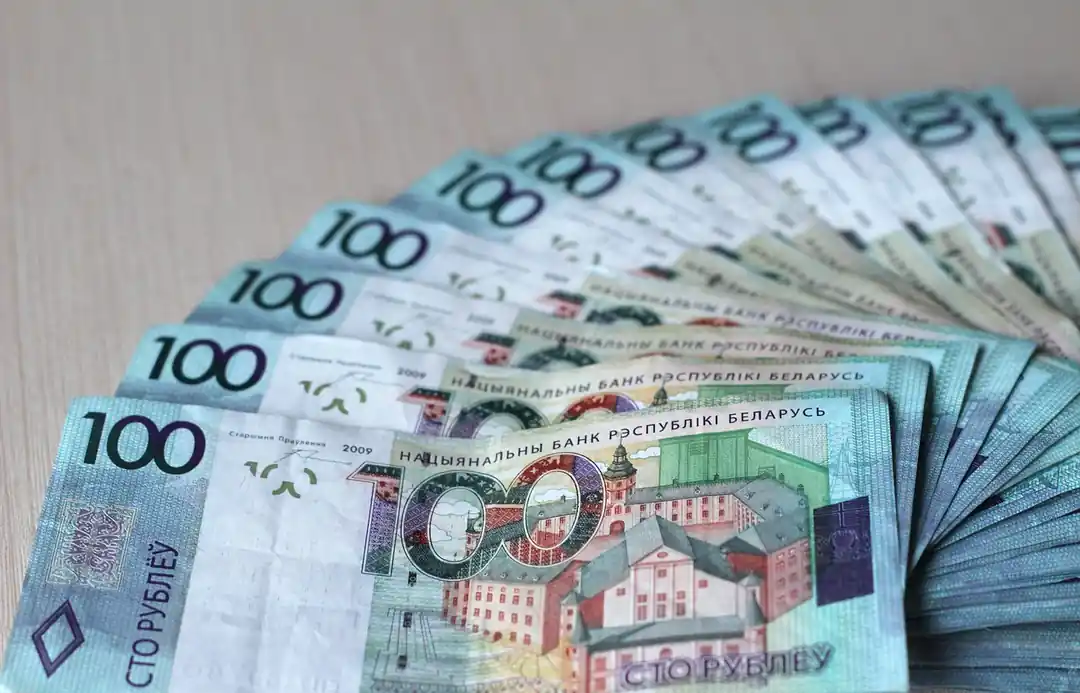
First things first, let's get acquainted with the local currency. The official currency is the Belarusian Ruble, and its international code is BYN. You might see it written as Br. In 2016, the country went through a redenomination, lopping four zeros off its old currency. This is why you'll sometimes hear references to the "new" rubles, which are the ones currently in circulation. For anyone who remembers seeing photos of people paying for groceries with massive wads of cash, this change brought a sense of normalcy and stability to the economy.
The modern Belarusian ruble is divided into 100 kopecks, much like the US dollar is divided into cents. The banknotes are quite beautiful and feature various architectural landmarks from different regions of Belarus. You'll find denominations of 5, 10, 20, 50, 100, 200, and 500 rubles. The coins, which were a new addition after the redenomination, come in 1, 2, 5, 10, 20, and 50 kopeck pieces, as well as 1 and 2 ruble coins.
For a traveler, this range of denominations is quite practical. The smaller notes and coins are perfect for everyday purchases like a coffee, a bus ticket, or a souvenir from a local market. The larger notes are useful for settling hotel bills or restaurant tabs for a group. It’s always a good idea to have a mix of both to avoid the minor inconvenience of a small shop not having enough change for a large bill.
How to Safely Exchange Your Dollars for Rubles
Since you can't acquire Belarusian rubles in the United States, your first financial task upon arrival will be to exchange money. The most important rule here is to do it legally. The U.S. Department of State explicitly warns travelers that exchanging money with an individual on the street is a criminal offense in Belarus. It's a rule that's strictly enforced, so this is one area where you absolutely want to follow the official procedure.
Luckily, the official options are plentiful and easy to find. Your best bet is to use an authorized currency exchange office, known locally as an obmen valyut. You'll find these kiosks everywhere in major cities like Minsk—at the airport, in major hotels, inside large shopping centers, and connected to banks. They are safe, regulated, and offer competitive rates. You will need to present your passport to make a transaction, so be sure to have it handy.
I’d recommend exchanging a small amount at the airport upon arrival to cover your initial transportation and a snack, as airport rates are generally a little less favorable than those in the city center. Once you're settled, you can visit a bank or an exchange kiosk in town to get a better rate for a larger amount. It's also wise to bring clean, crisp US dollar bills (or Euros), as worn or marked bills can sometimes be rejected. And always, always keep your exchange receipts until you depart the country; you may be asked to show them.
Cards, ATMs, and When to Use Cash
In today's travel landscape, many of us rely heavily on credit and debit cards. In Belarus, the situation is a bit of a hybrid. In Minsk and other large cities, you'll find that most hotels, restaurants, and larger stores readily accept Visa and Mastercard. It’s incredibly convenient for bigger expenses and simplifies your travel budget. However, it's not a completely cashless society, and assuming you can use your card everywhere would be a mistake.
ATMs are widely available in cities, and they are a reliable way to withdraw Belarusian rubles directly from your US bank account. Just be sure to inform your bank of your travel dates before you leave to avoid any fraud alerts or blocked transactions. It's also a good idea to understand your bank's foreign transaction fees, as those can add up. Using an ATM is often a better option than carrying a huge amount of US dollars with you for your entire trip.
Despite the growing acceptance of cards, cash is still essential. Smaller shops, local markets, street food vendors, and taxis will almost certainly require cash. Furthermore, if you plan to travel to more rural areas or smaller towns, your reliance on cash will increase significantly. Some travelers have also reported that certain Western-issued cards can be finicky at some payment terminals. The best strategy is a balanced one: use your card for large purchases where possible, and always have a healthy amount of Belarusian rubles on hand for everything else.
Ultimately, navigating the currency in Belarus is a simple and secure part of the travel experience. With a little preparation, you can handle your finances with confidence and focus on soaking in the incredible history and culture of this fascinating country.

Your Guide to Booking Train Tickets in Belarus
Thinking of Traveling to Belarus? The U.S. Government Says 'Don't'
Related Posts
 TRANSPORT
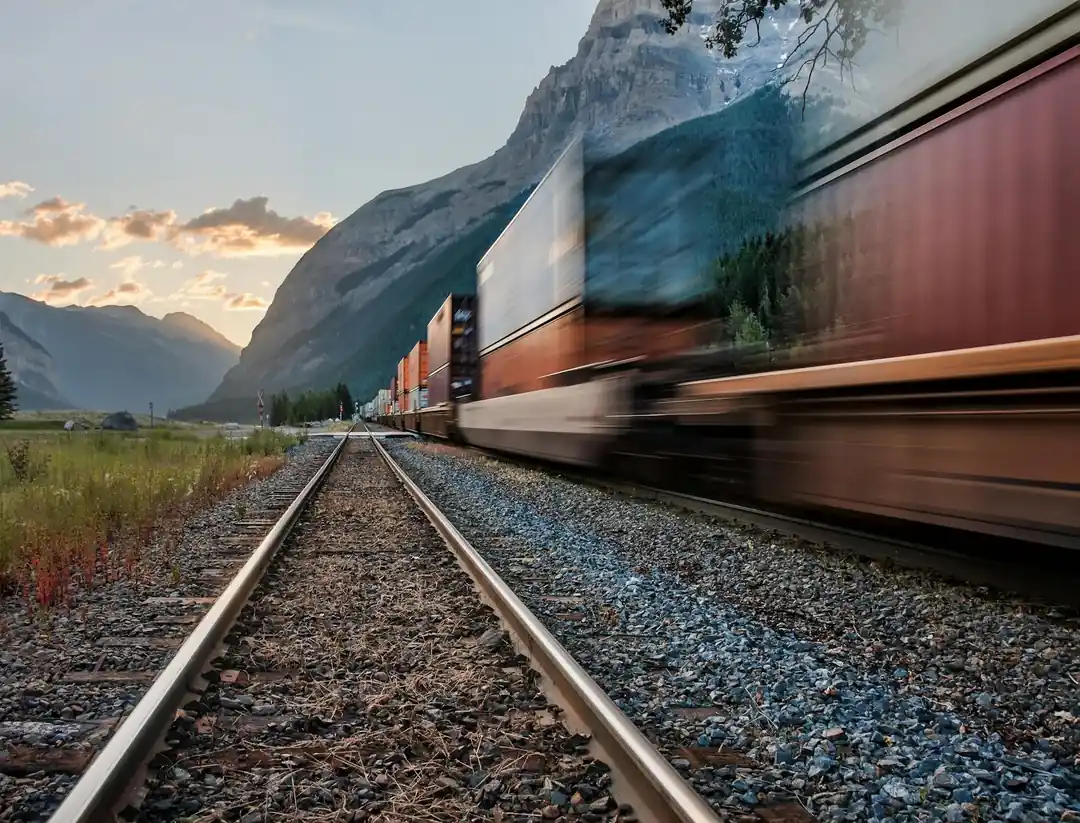
Beyond the Highway: Finding Canada's Soul on a Western Rail Adventure
Forget road trips. I'm talking about rediscovering the romance of travel on Via Rail's most scenic routes through the heart of the Canadian West. It’s an experience that changes you.
 TRAVEL TIPS
The Unwritten Rules of the North: What to Know Before Camping in Canada
Heading to the Great White North for a camping trip? It's an amazing idea. But from campfire etiquette to wildlife wisdom, here’s what you need to know before you go.

Popular Posts

Rethinking Non-Profit Promotion: Creative Strategies That Actually Drive Event Impact

Beyond Stark White: The Best Interior Paint Colors to Light Up Your New Space

How to Actually Master a New Language on Your Own (No Magic Gene Required)