Beyond the Stock Market: A Beginner's Guide to Investing in Art and Antiques
Ever felt the pull of owning a piece of history? Let's demystify the world of collectibles and explore how you can start investing in art and antiques, no matter your budget.
There’s a certain magic in objects that have lived a life before they meet you. Whether it’s a painting that has graced different walls over a century or an antique chair that has seated generations, these pieces carry stories. For many, the idea of investing in art and antiques seems like a distant, exclusive world, reserved for the well-heeled who frequent glamorous auction houses. I’ll be honest, I used to feel the same way. It felt less like an investment and more like a secret club with rules I’d never understand.
But what if I told you that’s not the whole picture? Investing in collectibles is, at its heart, about passion. It’s a chance to become a custodian of history, to own something tangible that resonates with you on a personal level. And yes, it can also be a financially savvy move. The US market for art and antiques is vast and wonderfully diverse, offering entry points for nearly every budget. It’s not just about multimillion-dollar Picassos; it’s also about the thrill of discovering a piece of mid-century pottery or a vintage print that speaks to you.
This isn't your typical financial advice. We're not just talking about assets and returns; we're talking about items that you can live with, that can transform a house into a home, and that can bring you a different kind of joy—the joy of appreciation, both in value and in beauty. So, let’s pull back the curtain and walk through the foundational steps of starting your own collection. It’s a journey that’s more accessible than you think.
Find Your Passion: The First and Most Important Rule
Before you even think about budgets or auction catalogs, the first step is to look inward. What do you love? The world of collectibles is incredibly broad, from impressionist paintings and Art Deco furniture to vintage comic books and rare stamps. Trying to chase what’s “hot” without a genuine interest is a recipe for burnout and poor decisions. The most successful and fulfilling collections are almost always built on a foundation of true passion.
Start by exploring. Visit local museums, browse antique shops in small towns, and get lost in the digital archives of online galleries. Do you feel a pull towards the clean lines of modern design? Or perhaps the intricate details of Victorian jewelry capture your imagination? Maybe it's the bold, graphic nature of vintage movie posters. Pay attention to what makes your heart beat a little faster. This initial spark is your most valuable guide.
Focusing on a niche you genuinely enjoy does two things. First, it makes the research process feel less like a chore and more like an adventure. You’ll be more motivated to learn the history, key artists, and distinguishing features of your chosen area. Second, it provides an emotional safety net. Financial markets for collectibles can be unpredictable, but if you truly love the pieces you own, their value to you transcends their market price. You’ll have a home filled with things that bring you joy, and that’s a return on investment that can’t be quantified.
Knowledge is Your Best Investment
Once you’ve identified your passion, the next phase is all about education. In the collectibles market, knowledge isn't just power—it's your primary defense against overpaying, buying a fake, or missing a hidden gem. Rushing into a purchase without doing your homework is one of the biggest mistakes a beginner can make. Take your time to become a mini-expert in your chosen niche.
A crucial concept to master is "provenance," which is the documented history of an object. A clear and verifiable ownership trail can significantly increase a piece's value and confirm its authenticity. Another key area is condition. For most collectibles, condition is paramount. A minor chip in a ceramic piece or a tear in a print can drastically affect its price. Learn the grading terms specific to your field and always examine items meticulously, asking for detailed condition reports from sellers.
So, where do you find this knowledge? Start with books and online resources dedicated to your area of interest. Follow reputable dealers and auction houses on social media. Many, like Christie's or Sotheby's, publish a wealth of educational content. Look for comparable sales data on sites like WorthPoint or by tracking sold listings on eBay to get a feel for real-world market prices. This research phase is continuous; the more you learn, the more confident and discerning a collector you will become.
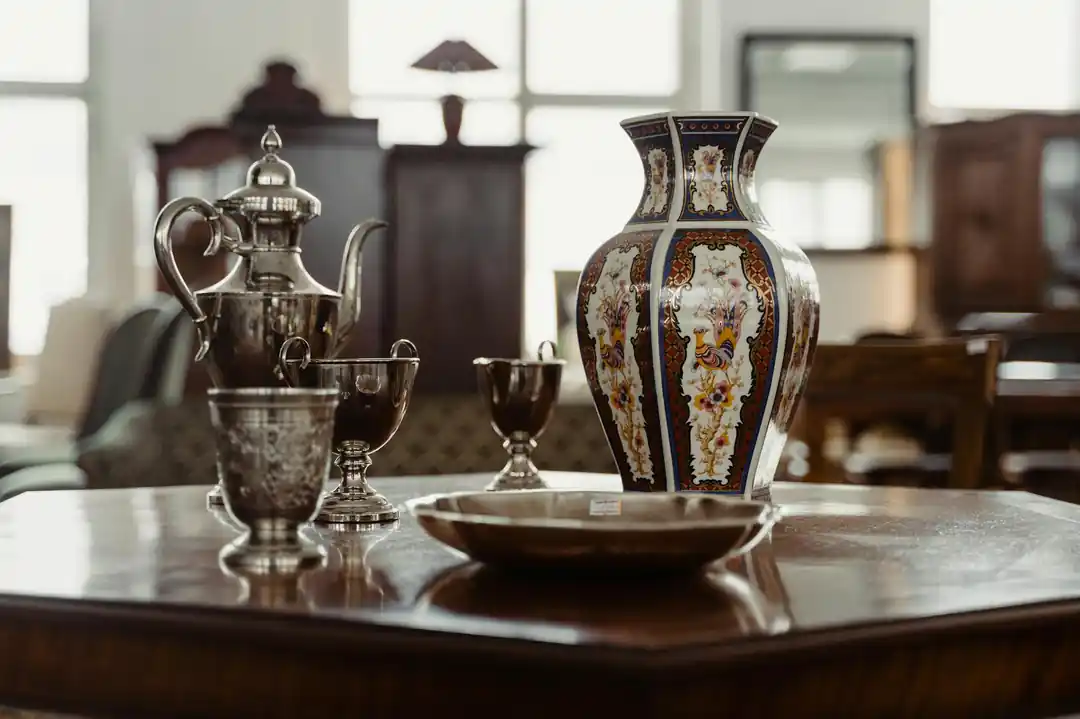
Start Small, But Start Somewhere
You do not need a fortune to begin investing in collectibles. In fact, starting small is often the smartest strategy. Your first few purchases are part of your learning curve. They give you a practical, low-stakes way to experience the entire process, from sourcing and negotiation to what it feels like to live with a piece. Setting a modest, affordable budget for your initial acquisitions will relieve the pressure and allow you to make decisions with your head, not just your adrenaline.
Consider starting at the lower end of the market in your chosen niche. This could mean buying prints instead of original paintings, or focusing on works by emerging artists rather than established masters. The market for prints, for example, is a fantastic entry point. You can acquire signed, limited-edition works by well-known artists for a fraction of the cost of a unique painting, offering a tangible connection to their work.
Another great strategy is to explore areas that are currently undervalued or just beginning to gain traction. For example, certain periods of 20th-century design or photography are becoming increasingly popular with a new generation of collectors. By getting in early, you have a greater chance of seeing your investment appreciate over time. The key is to buy the best quality you can afford within your budget. A high-quality piece from a lesser-known artist is often a better investment than a poor-quality work from a famous name.
The Thrill of the Hunt: Where to Buy
Knowing where to look is just as important as knowing what to look for. The sources for art and antiques are as varied as the items themselves, each with its own pros and cons. Reputable auction houses are a great place to start, as they often guarantee authenticity and provide detailed information about provenance and condition. While the big names can be intimidating, many regional auction houses offer fantastic pieces at more accessible price points. Just be sure to factor in the buyer's premium—an additional percentage on top of the hammer price.
Antique stores and specialized dealers are another excellent resource. Building a relationship with a knowledgeable and trustworthy dealer can be invaluable. They can offer guidance, alert you to new pieces that fit your collection, and provide a level of education you won't find elsewhere. Don't be afraid to ask questions; a good dealer will be passionate about their inventory and happy to share their expertise.
Finally, the internet has opened up a global marketplace. Websites like 1stDibs, Artsy, and even eBay can be treasure troves, but they require a more cautious approach. Buy from sellers with long histories and excellent reviews, and never hesitate to ask for more photos or information. For any significant online purchase, ensure there is a clear return policy. The digital world offers incredible access, but it also makes due diligence more critical than ever.
The path of a collector is a long and rewarding one. It’s a pursuit that sharpens your eye, deepens your appreciation for history and craftsmanship, and allows you to build a legacy that is both personal and potentially profitable. Start with what you love, arm yourself with knowledge, and have the patience to wait for the right piece. The stories are out there, waiting for you to find them.
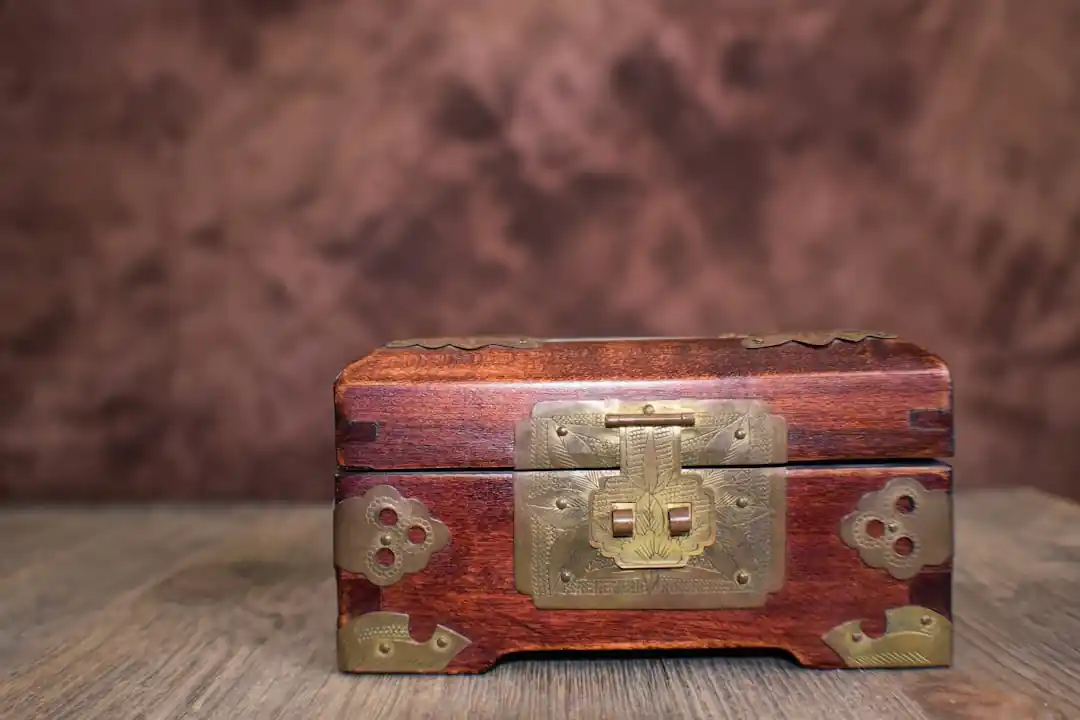
From Attic to Auction: How to Assess the Investment Potential of Your Family Heirlooms
The Heart of the Matter: Why Sentimental Items Are Your Most Important Heirlooms

Related Posts
 BUSINESS
Rethinking Non-Profit Promotion: Creative Strategies That Actually Drive Event Impact
Discover modern, research-backed strategies for promoting non-profit fundraisers, from experiential marketing to hyper-local micro-influencers and cross-sector partnerships.
 BUSINESS
Is the TV Ad Dead? A Deep Dive into Cost and Effectiveness in 2024
In an age of streaming and scrolling, is a TV commercial still a smart bet for brands? We're breaking down the real costs and surprising effectiveness of television advertising today.

Popular Posts
Rethinking Non-Profit Promotion: Creative Strategies That Actually Drive Event Impact

Beyond Stark White: The Best Interior Paint Colors to Light Up Your New Space

How to Actually Master a New Language on Your Own (No Magic Gene Required)
