It doesn't take a blizzard to bring Atlanta to a standstill. A mere dusting of snow can gridlock the city, and there are some very specific reasons why.
There’s a certain magic to the idea of snow in Atlanta. It’s a novelty, a brief and beautiful interruption to our regularly scheduled programming of sunshine and sweet tea. But as anyone who has lived here through a winter storm can attest, that magic quickly melts away when you have to get behind the wheel. The city, so vibrant and full of motion, grinds to a halt in a way that seems almost disproportionate to the amount of snowfall.
I’ll never forget my first real taste of it. I was watching the flakes come down, thinking it was just a pretty dusting. An hour later, my phone was buzzing with alerts, and the news was showing images of complete gridlock on the Connector. It’s a jarring experience. How does a major American city, a hub of commerce and travel, get so completely shut down by what many northern cities would consider a light flurry?
The truth is, driving in Atlanta during a snowstorm is a unique challenge born from a perfect storm of factors. It’s not just about the ice on the road; it’s about the roads themselves, the drivers on them, and a collective inexperience that turns a weather event into a city-wide crisis.
A Tale of Two Infrastructures
The most significant reason for the chaos is simple: Atlanta is not built for snow. Unlike cities like Boston or Chicago, where snow removal is a well-oiled, heavily funded machine, Atlanta’s winter weather infrastructure is comparatively sparse. It just doesn’t make financial sense to maintain a massive fleet of snowplows and salt trucks for the one or two times a decade they might be needed for a major event.
This means that when snow does fall, especially if it’s preceded by rain that freezes, the city’s ability to treat the roads is incredibly limited. The Georgia Department of Transportation (GDOT) does its best, focusing its resources on the major arteries—the interstates and primary state routes. But the thousands of secondary roads, neighborhood streets, and subdivision cul-de-sacs are often left untouched.
This creates a dangerous illusion. You might see that I-75 looks wet and clear, and assume it's safe to head out. But the moment you exit onto a local road, you could find yourself on a sheet of ice. This disparity is what traps people, leading to the infamous scenes of abandoned cars and commuters spending the night in their vehicles. The city’s numerous bridges and overpasses, which freeze much faster than roadways, only add another layer of invisible danger to the mix.
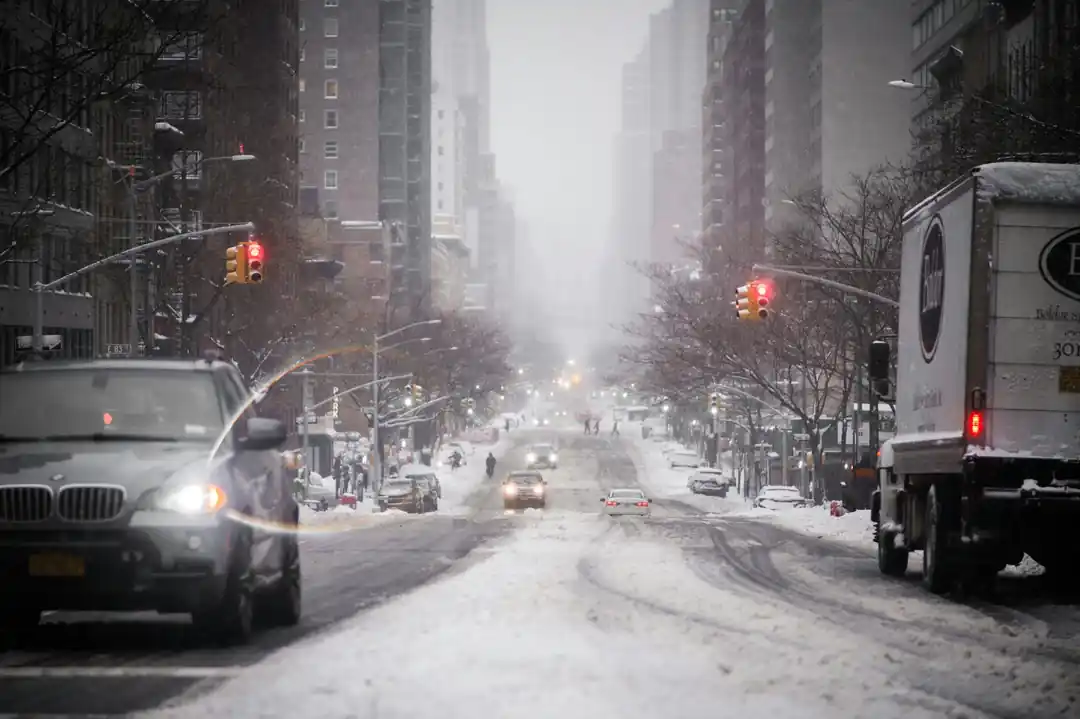
The Confidence Gap on Ice
The second major challenge is the human element. Let’s be honest—most of us here in the South are fantastic drivers in the rain, but we are novices on ice. Driving in snow and icy conditions is a learned skill, one that requires a gentle touch and a calm demeanor. It involves understanding how to brake without locking up, how to steer into a skid, and recognizing that your all-wheel-drive SUV isn't invincible.
When the roads get slick, that lack of experience becomes a city-wide liability. The natural instinct is to tense up and hit the brakes, which is often the worst thing you can do. This leads to fender benders, which then block lanes and create a ripple effect of gridlock. I’ve seen cars spinning their wheels, unable to get up the slightest incline, because the driver is giving it too much gas.
And Atlanta's terrain doesn't help. The city is deceptively hilly. A gentle, rolling hill on a sunny day becomes a treacherous, impassable slope when coated in a layer of ice. These hills are where the real standstills begin. One stuck car can easily block a road, and soon, you have a dozen more trapped behind it, creating a parking lot where a thoroughfare used to be.
The "Just a Little Snow" Mentality
Perhaps the most insidious challenge is the cultural one. Because significant snow is so rare, there's often a collective underestimation of the threat. A forecast of one to two inches of snow is laughed off, and people proceed with their daily routines. Businesses and schools often wait until the situation is already dire before deciding to close.
This delay is what caused the 2014 "Snowpocalypse." Everyone left work and school at the exact same time, flooding the unprepared roadways just as they were becoming their most dangerous. A staggered, proactive dismissal might have allowed many to get home safely. Instead, the entire metro area population hit the roads simultaneously, creating a demand that the icy, untreated infrastructure simply could not handle.
It’s a hard lesson to learn, but it’s one that has slowly started to sink in. In the years since, there has been a much more cautious and proactive approach from city officials and businesses. The threat of even a little snow is now taken much more seriously, with calls to stay home coming earlier and more frequently.
Driving in an Atlanta snowstorm is a humbling experience. It’s a reminder that for all our modern engineering and planning, we are still subject to the whims of nature. It reveals the specific vulnerabilities of a city built for the sun. So, the next time flakes start to fall, the best advice is the simplest: just stay home. Brew some coffee, watch a movie, and enjoy the rare, quiet beauty of Atlanta on ice from the warmth and safety of your window.

Georgia Winter Travel: Your Guide to Checking Road Closures
The Essential North Georgia Winter Packing List: From Cozy Cabins to Frosty Trails
Related Posts
 TRANSPORT
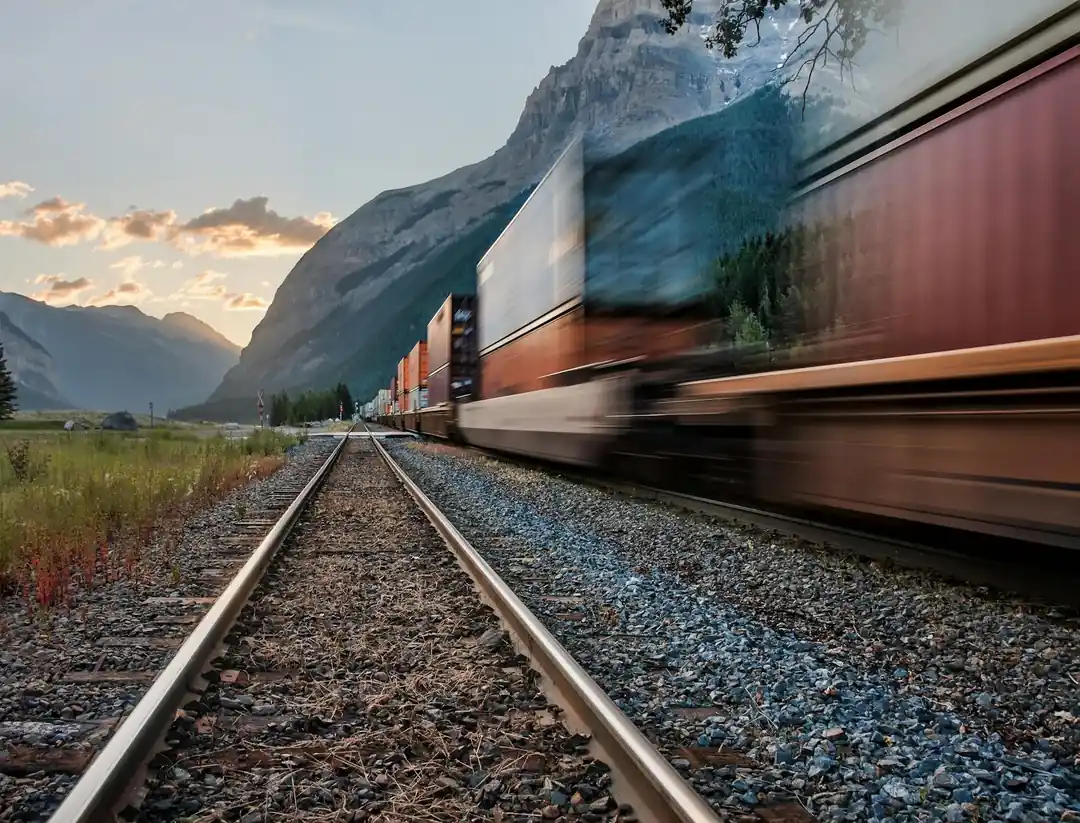
Beyond the Highway: Finding Canada's Soul on a Western Rail Adventure
Forget road trips. I'm talking about rediscovering the romance of travel on Via Rail's most scenic routes through the heart of the Canadian West. It’s an experience that changes you.
 TRAVEL TIPS
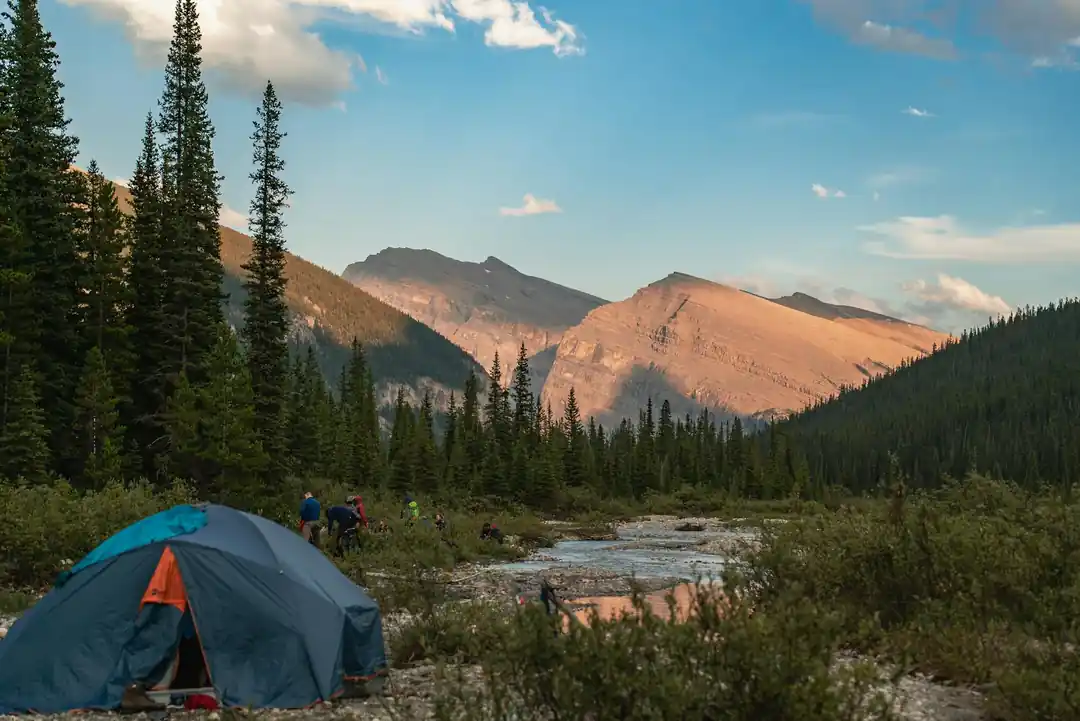
The Unwritten Rules of the North: What to Know Before Camping in Canada
Heading to the Great White North for a camping trip? It's an amazing idea. But from campfire etiquette to wildlife wisdom, here’s what you need to know before you go.
Popular Posts

Rethinking Non-Profit Promotion: Creative Strategies That Actually Drive Event Impact

Beyond Stark White: The Best Interior Paint Colors to Light Up Your New Space

How to Actually Master a New Language on Your Own (No Magic Gene Required)